

Now Christmas is out of the way, it’s time to look ahead to 2026 and plan your fiestas for the year. From running with the bulls to floral patios, from street parties to food fights, there is something for everyone. Here are some of our favourites.
San Anton, Blessing of the animals, January 17th 2026
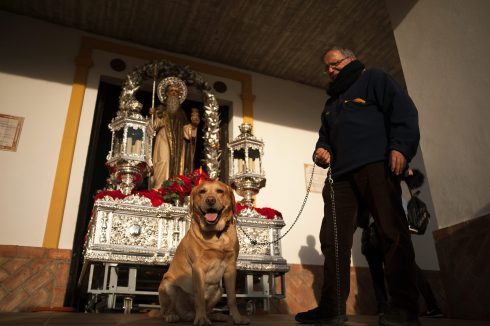
Churches across Spain will open their doors for a different sort of congregation on January 17th for it is the feast of San Anton – the patron saint of animals.
In Madrid this takes place at San Anton church in Chueca where crowds of furry friends queue up outside for a blessing from the priest. Expect pets dressed up in all their finery, when parrots line up beside dogs and cats and even the odd pet pig makes an appearance!
READ MORE:
Carnival, February 12th to February 19th
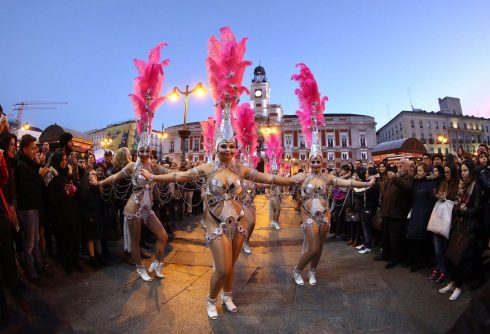
Forget about marking the start of Lent with a humble pancake. In Spain, Carnival fever sweeps across the nation. Street parades that rival Rio are held in the Canary Islands, groups of friends plan elaborate costumes for parties in Cadiz and even the little ones at primary schools dress up for the occasion.
Las Fallas, Valencia, March 1st to 19th
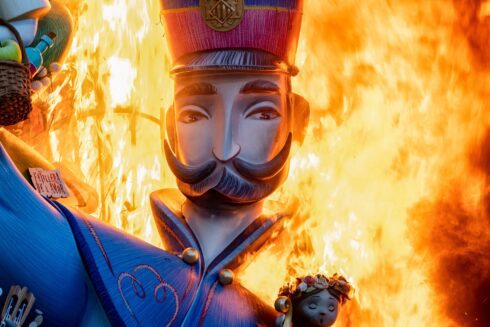
Head to the eastern city of Valencia for Las Fallas in March where giant papier-mâché models satirizing politicians and celebrating modern icons are displayed across the city. The spectacular climax comes when they are set ablaze to a thunderous firework display in a festival that has Unesco World Heritage status.
Semana Santa (Holy week), March 29th to April 5th
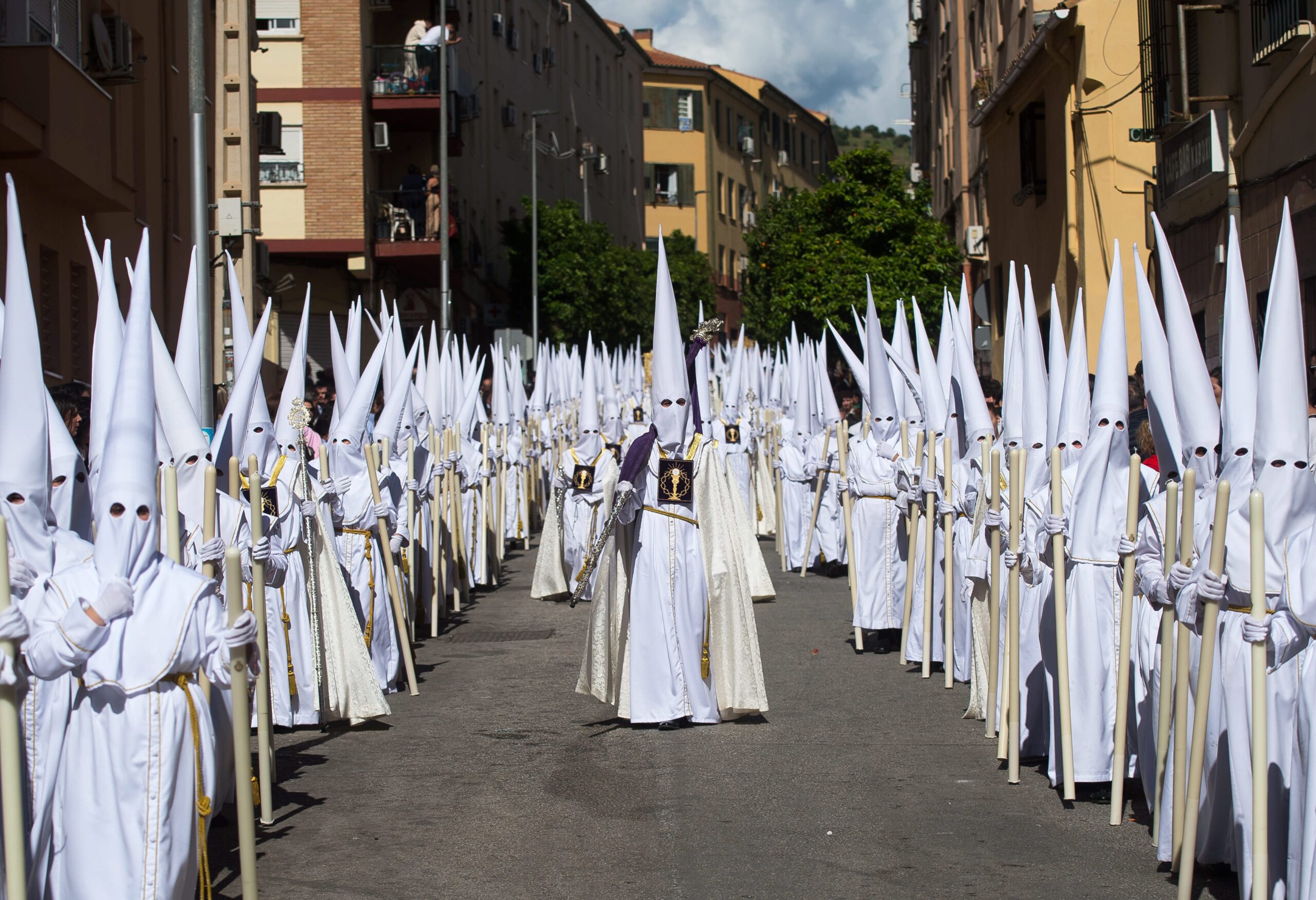
Processions are held across Spain during the week running up to Easter with the most impressive Semana Santa celebrations taking place in Andalusia. Expect shrouded penitents shuffling mournfully to beating drums as statues of Christ are slowly walked around a circuit from the church.
Feria de Abril, Seville, April 21st to 26th 2026
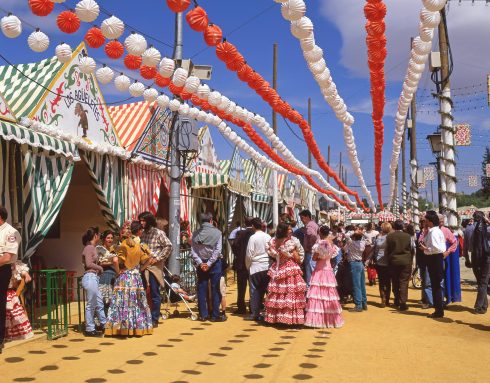
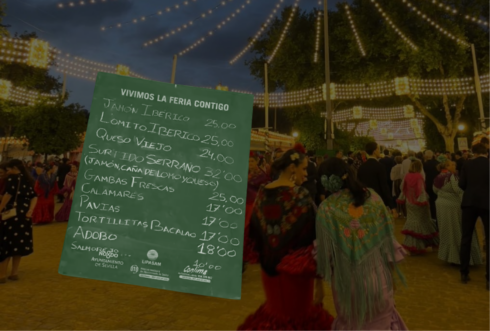
Head to Sevilla for the Feria de Abril, held two weeks after Easter when the Andalusian capital is transformed into a celebration of bullfighting culture. Women parade in their flamenco finery, horses dance and crowds gather in colourful tents to eat, drink and dance Sevillanas. It helps if you know people as entry into the casetas is by invitation only. But similar style ferias take place in Cordoba and Jerez which are more open to outsiders.
Patios of Cordoba, May 4th to 17th
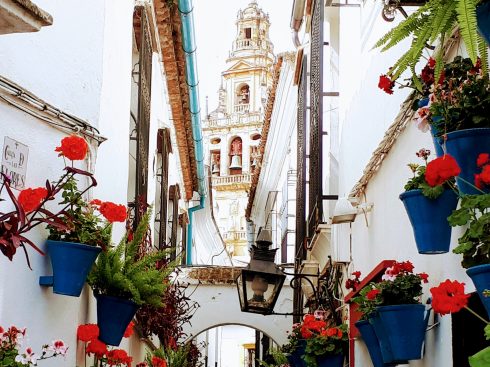
Each May, the private courtyards of Cordoba are opened to the public in a city-wide competition for the most impressive floral displays. It’s a chance to peek behind doors closed the rest of the year and be inspired by Moorish patios and glorious floral displays. Concerts and flamenco shows also take place in corners during the Fiestas de los Patios and it’s a wonderful time to discover the city.
READ MORE: Patios of Cordoba: Where even the most reluctant gardener will find inspiration
San Juan, June 23rd, 2026

Wherever you are in Spain, celebrations of some kind will take place to mark San Juan – which coincides with midsummer or equinox. If you are near the coast, this will mean fires on the beach, fireworks and all night parties. Elsewhere look out for walking over hot coals (Soria) horseriding through flames (Menorca) or waterfights (Alpujarras).
San Fermin, July 6th to July 14th

Bull-running fiestas take place all over Spain but by far the biggest and most famous – thanks to Ernest Hemingway – is San Fermin in Pamplona where the Navarran capital is transformed into one helluva street party. Those brave (or foolish) enough to partake in the morning encierros don white with a red sash and neckerchief to race across the cobbles dodging the horns of a pack of bulls. Everyone else just enjoys the fiesta.
READ ALSO: Hemingway, my dad and running the bulls of Pamplona
La Tomatina August 26th, 2026
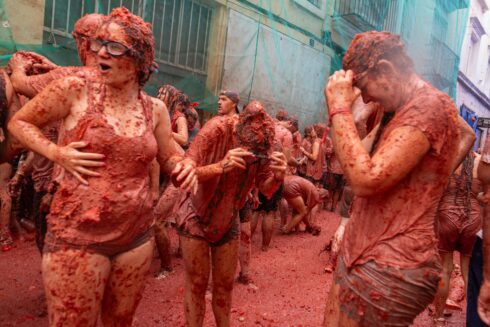
On the last Wednesday in August, the small town of Buñol near Valencia stages the world’s biggest food fight with some 40,000 people crowding in to throw tomatoes at each other. Trucks bring in the fruit which are hurled at each other in a tradition that has become so popular, tickets need to be bought in advance. Of course there’s also music, food and lots of alcohol in what has become one of the most iconic summer events in Spain.
Wine harvest, September

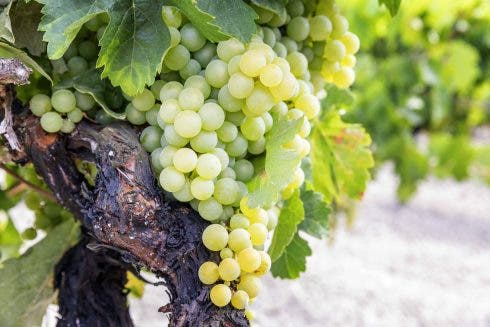
This is the month where across Spain the grape harvest begins. From Jerez in the southwest to La Rioja in the north, festivals are held to mark the Vendemia. In Logroño this kicks off around September 21st for the fiestas de San Mateo where you’ll find ceremonial grape stomping and of course local wine to accompany the regional dishes.
Spain’s National Day, October 12th
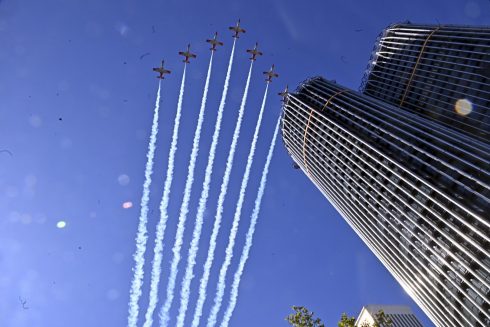
It’s a bank holiday across Spain on October 12th when the nation marks the Dia de la Hispanidad. In Madrid this is marked by a huge military parade down the Castellana, with tanks on the ground and aerial displays by the Air Force. It’s also the day Zaragoza celebrates its patron saint with the Pilar festival.
All Saints Day, November 1st
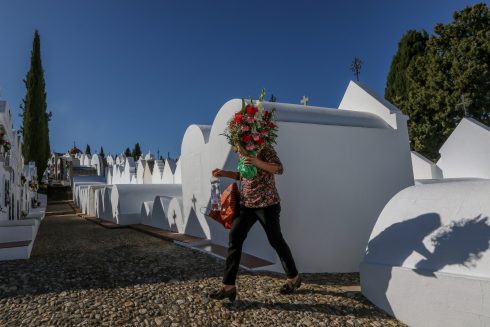
Another bank holiday across Spain and the day when families traditionally go and visit the family grave yards. Nowadays, the night before has become a big deal with Halloween celebrated with costume parties and trick or treating. For traditional treats try the Huesos de Santo, marzipan filled with an egg yolk cream to represent Saint’s bones.
Puente de December, 6th to 8th
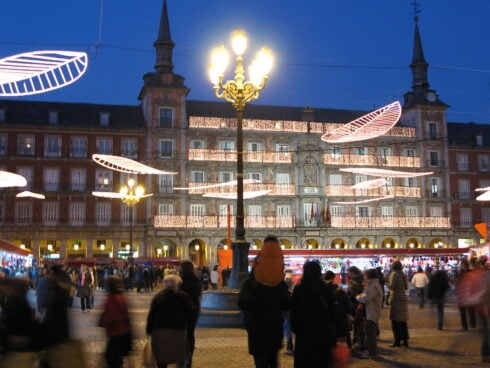
While the rest of the world is counting down to Christmas, Spain sneaks in a bank holiday weekend with the Puente de December. A combination of Constitution Day on the 6th and the Day of the Inmaculada Concepcion on the 8th, the days are often bridged together for a ‘puente’. It’s a great time to get into the festive spirit as the lights will be on and Christmas markets will have popped up in plazas across Spain.
READ ALSO:
- What can your local Christmas Market teach you about Spanish history and culture?
- BE LUCKY! Maximise your luck for 2026 by following these New Year traditions from Spain
- How government scrooges in 1882 accidentally created Spain’s obsession with gobbling 12 grapes on New Year’s Eve
Click here to read more Olive Press Travel News from The Olive Press.