
IT sounds like the plot of a 1970s disaster movie, but it really happened.
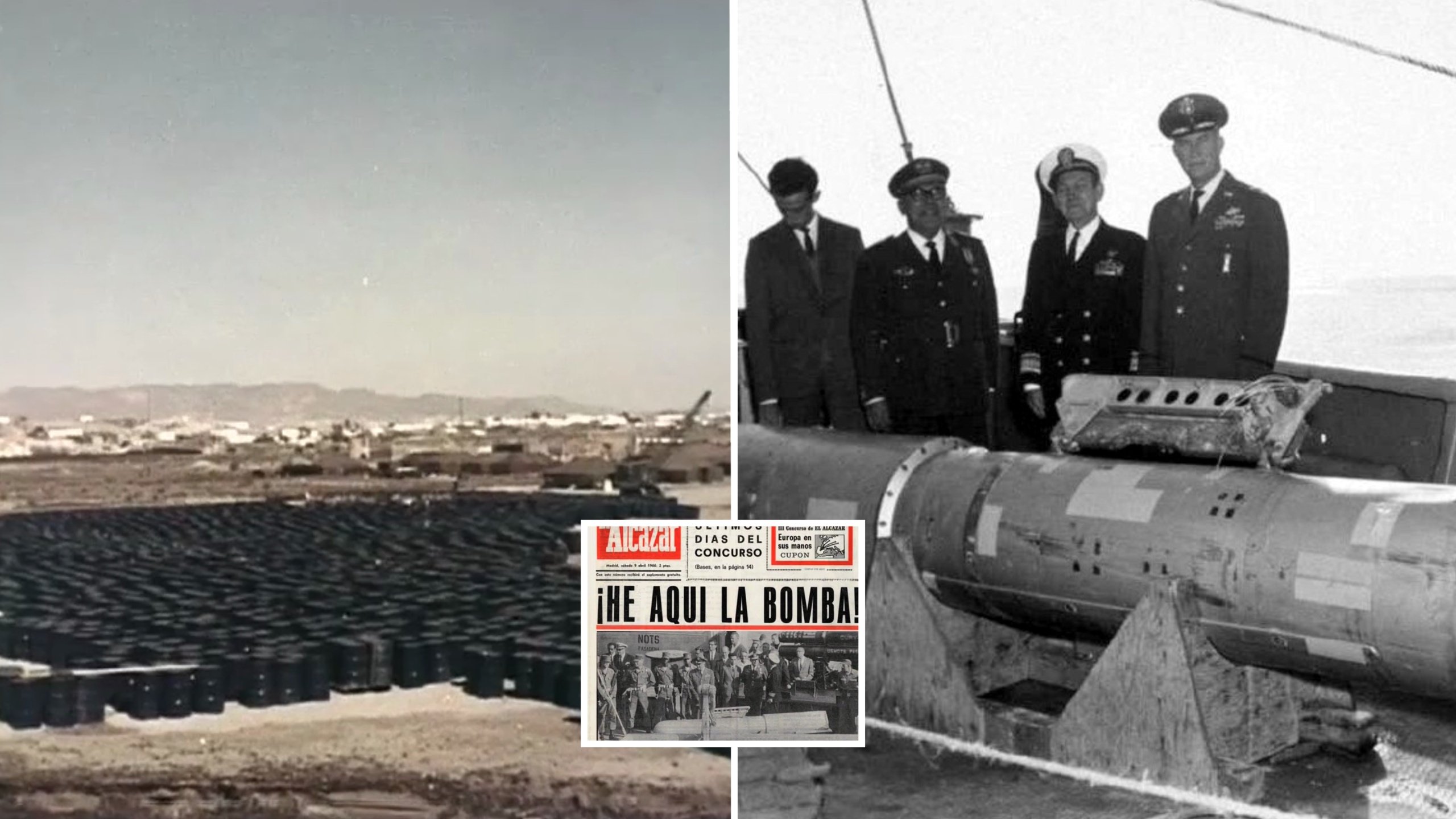
On 17 January 1966, the US Air Force dropped four atom bombs on a tiny town in Almeria. No one was killed, and though there was some ground damage, no permanent harm resulted.
For this story to make any sense, we need to adopt the “mind set” of the Cold War. In 1966, there were two superpowers – the USA and the USSR. And they didn’t like each other.
Each side had spent the 1950s developing nuclear weapons, and methods of delivering them. They also built up networks of allies. As a counter to NATO, in 1954 the Russians put together the Warsaw Pact, a system of ‘international defence’ against the West.
We can now see that the whole point of the Space Race was the refinement of rockets which could deliver death to far-off continents in minutes.
Everyone knew that with missiles and submarines, each side could wipe out its opponent many times over. The only drawback was, we, too, would die in an all-out nuclear exchange.
It was known as MAD – Mutually Assured Destruction.
Belatedly and reluctantly, Spain signed up for the American team.
It was all about Chrome Dome.
Uncle Sam wanted a guarantee that, if the Reds launched a sneak attack, Moscow would still be obliterated.
The idea was to have a fleet of B-52 bombers, loaded with nuclear bombs, in the air at all times. If the Russian missiles started hitting New York and LA, these bombers would head for pre-agreed targets in Eastern Europe. And this was called “Chrome Dome”.
In order to do this, the B-52s would need to refuel in the air. Planes are vulnerable on the ground.
This is where Spain came in. A B-52 can make it comfortably from North Carolina to the air space over Andalucía, but to be ready for an attack on Moscow, it would need to take on several hundred gallons of fresh aviation fuel.
On the morning of Monday, 17 January, 1966, a KC-135 ‘flying tanker’ took off from Morón de la Frontera, near Seville, to rendezvous with a B-52. Perhaps the crew members were listening to “We Can Work It Out” on the radio. That week The Beatles were Number One in the USA.
As the tanker was refuelling the bomber, something went disastrously wrong.
The two aircraft, joined by a petrol hose, somehow collided. The tanker exploded and all four men on board were killed. The bomber lost a wing in the accident, and three crew members died. The other four men managed to parachute to safety.
READ MORE: ON THIS DAY: When Spain’s dictator Franco met Adolph Hitler
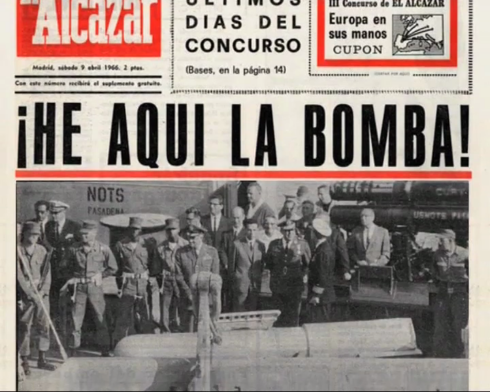
No longer airworthy, the stricken bomber started descending. It took some time to fall 31,000 feet, finally crashing into the quiet village of Palomares, midway between Almería and Cartagena.
Fortunately for all of us, the four atom bombs on the plane didn’t explode. We tend to think of bombs as the percussion type, from World War Two, which go bang when they hit the ground, but the fiendish designers of nuclear weapons have worked out a ‘switch’ system of detonation, as a way of killing far more people.
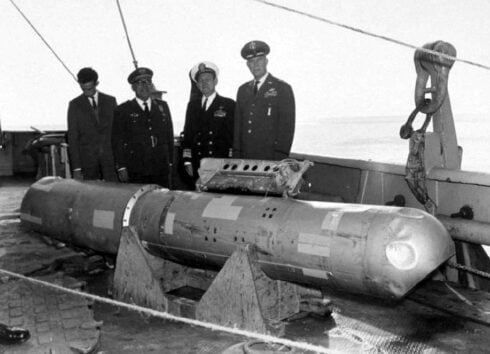
For the Americans, the embarrassment was immense. No Spanish civilians had been harmed on the ground, but three of the bombs had split open, and much of the village had been contaminated with radiation.
Worse still, one of the weapons was missing. It had probably fallen in the sea (Palomares is on the Mediterranean coast), and they couldn’t find it.
Spain was enjoying the first phase of the tourism boom, and the danger was that would-be holidaymakers would read of radioactive olive groves and an unexploded bomb in the sea, and choose to go to Blackpool or Bodrum instead of Benidorm.
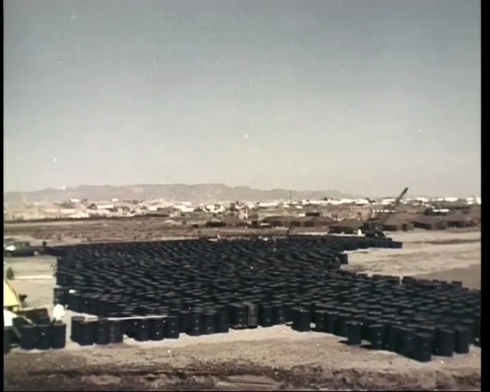
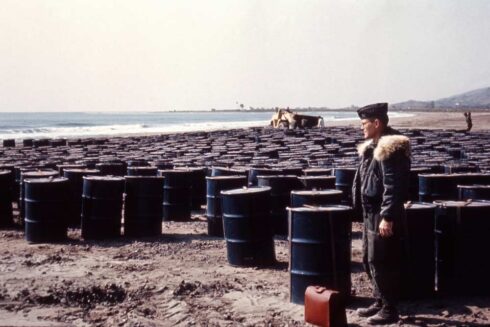
The US military shovelled thousands of tonnes of Palomares soil into barrels, and took it to America. After 80 days of fruitless searching, they asked a Palomares fisherman if he had any idea where the fourth bomb might be. “Yes,” he told them. “It’s over there, about 300 feet down.”
They asked Francisco Simó Orts, “Why didn’t you tell us before?”
“Because you didn’t ask.”
Ever since, locals have known him as “Paco the Bomb”.
Click here to read more La Cultura News from The Olive Press.