RESIDENTS and expats across Spain are being warned that the country’s once-proud rail system is suffering a serious decline in safety, service and basic passenger care.
The stark assessment comes from a senior railway engineer following a pair of recent train disasters and months of widespread disruption.
Antonio Martin Carrillo, a former ADIF executive and representative of the European Railway Association, told El Mundo the deterioration has been visible for some time to regular travellers.
READ MORE: BREAKING: Driver dead and at least 20 passengers injured after train derails near Barcelona
He claims passengers are now routinely left stranded, delayed or confined inside trains with little information or assistance.
“During these last months we have been treated like cattle in the stations, locked in, without seats and without any consideration,” he wrote.
Carrillo says travellers have been forced to endure long delays, missed connections and even being trapped inside stopped trains in remote areas.
He describes trains halted in open countryside, sealed shut, sometimes without light or air, and with no explanation of what has gone wrong or how long the wait will last.
“Are there no longer rescue trains to help people?” he asks.
The engineer says authorities repeatedly blame engineering works or technical faults but rarely offer solutions focused on passengers’ needs.
He also criticised what he sees as a lack of empathy and accountability from those running the rail network.
Carrillo questions political appointments within Renfe, Spain’s state-owned rail operator, including why Koldo Garcia Izaguirre held an advisory role in one of its companies.
‘Koldo’ is a former adviser to ex-Transport Minister Jose Luis Abalos and a key figure in a major corruption investigation involving alleged kickbacks, influence-peddling and irregular public contracts during the COVID-19 pandemic.
He is accused of using his political connections to secure positions and benefits for associates within state-linked companies, including firms connected to the rail sector.
The comments come amid national shock following two serious rail incidents, including the deadly crash in Adamuz, Cordoba, earlier this week, and the derailment in Barcelona.
READ MORE: Spain train disaster death toll rises to 41 after body is found in damaged carriage
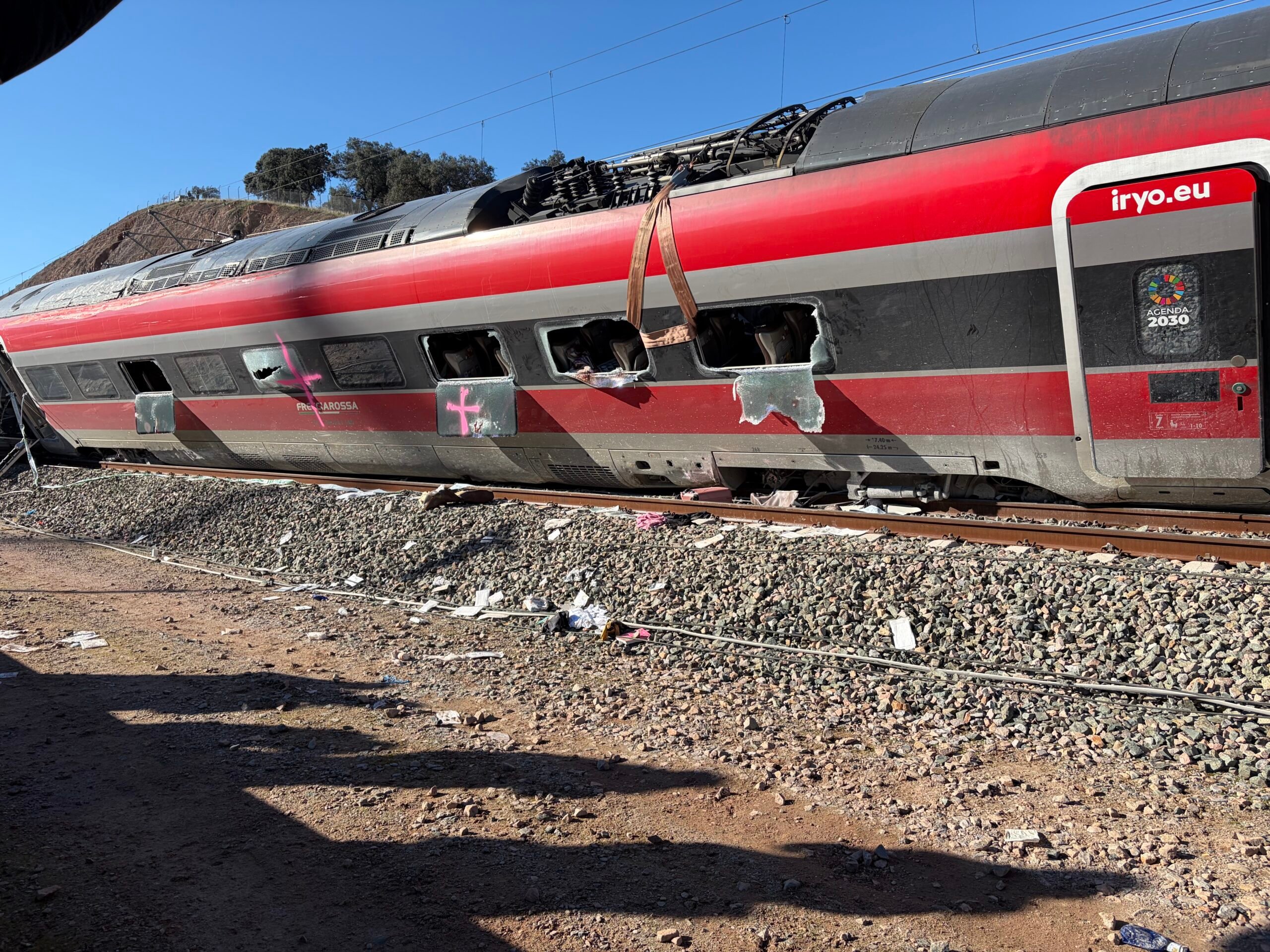
In Adamuz, a high-speed Iryo train reportedly derailed after a suspected failure in a welded section of track near recently upgraded points.
Its rear carriages then ended up obstructing the adjacent line.
Just 20 seconds later, an Alvia train travelling in the opposite direction collided with it at high speed.
The impact killed more than 40 people, including the Alvia driver, Pablo Barrio, and several members of the same family.
Carrillo believes neither driver could have prevented the disaster.
“The cost of a weld was paid with their lives,” he wrote.
READ MORE: Urgent call for residents in Malaga province to donate blood after Cordoba train disaster
He compares the tragedy to the 2013 Angrois crash in Santiago de Compostela, Galicia, which killed 79 people and exposed serious failings in Spain’s rail safety systems.
Back then, the disaster was blamed on a combination of human error and inadequate safety controls.
Now, Carrillo fears Spain is once again facing a chain of technical and organisational failures.
He says the official investigation by the Commission for the Investigation of Railway Accidents will eventually establish the causes.
However, he insists no possibility should be ruled out at this stage.
For many foreign residents, the warnings will strike a chord.
Spain’s rail network is heavily used by expats for long-distance travel, airport connections and regional commuting.
Recent months have seen repeated delays, cancellations and infrastructure problems across Andalucia, Catalonia and Madrid.
Passengers have reported overcrowded platforms, last-minute timetable changes and trains arriving hours late.
Carrillo, who helped build Spain’s first high-speed AVE line between Madrid and Seville in 1992, says the contrast is painful.
“Those of us who built the first AVE with enthusiasm and pride cannot believe the level of degradation we are now seeing,” he wrote.
For him, the decline is not just technical but moral.
He says rail users deserve transparency, proper assistance and a system that prioritises human life over political or commercial interests.
Asked what is happening to Spain’s trains, Carrillo admits he no longer knows the answer.
“I don’t know what to say,” he concludes.
The question, however, is one many passengers across the country are now asking too.
Click here to read more Spain News from The Olive Press.