
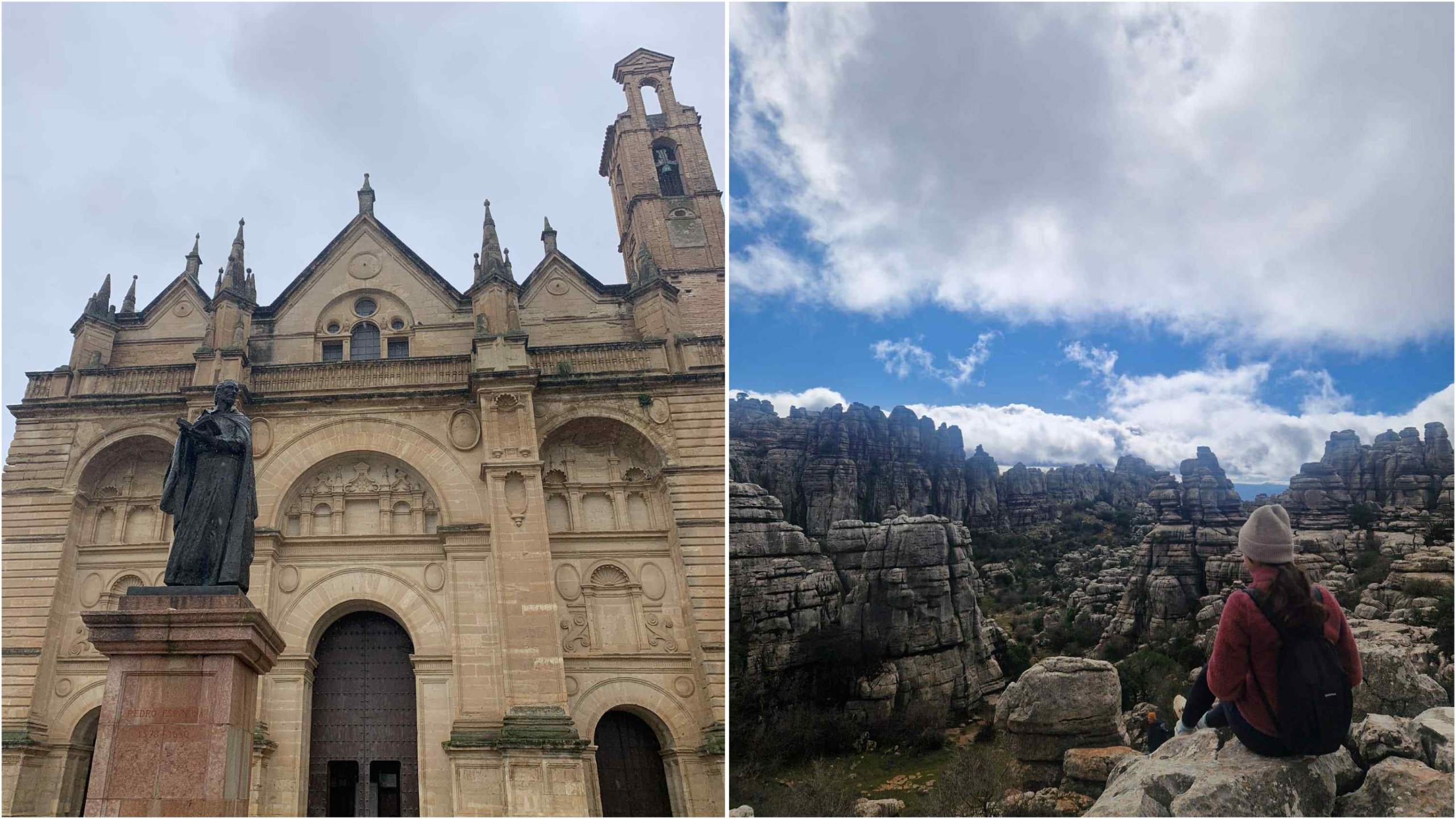
SPAIN is known for its natural diversity – one moment you’re stretched out on a sun-bleached beach along the southern coast; the next, you’re strapping on skis in the mountains.
But just an hour outside Málaga, there’s a landscape that feels entirely removed from reality.
Entering El Torcal National Park is like stepping into another world.
The drive alone sets the tone: winding roads cutting through wide, open green fields before narrowing into a steep ascent towards the park.
Almost instantly, the air cools, the scenery shifts, and the environment transforms before your eyes.
READ MORE: Nine breathtaking UNESCO sites in Spain to start with
Is it Mordor? Winterfell? Some dramatic fusion of the two? El Torcal feels cinematic in a way that’s difficult to describe and impossible to forget.

At over 1,200 metres above sea level, the park is dominated by vast gray limestone formations, stacked and sculpted into surreal shapes that look almost deliberately designed.
Walking among them, it’s easy to feel like the protagonist in an open-world video game, navigating a landscape that’s both ancient and slightly unreal.
These rock formations are the result of millions of years of geological evolution.
READ MORE: The Dolmens Museum in Spain’s Antequera will open to the public this year
Formed from karstic limestone – likely originating when the area was submerged beneath the ancient Sea of Tethys – the layers were compressed over time and shaped by wind, water and ice.
The result is a striking terrain unlike anywhere else in Andalucia.
El Torcal Natural Park is open year-round with no fixed hours, although visitors are advised to explore during daylight.
As a protected Natural Site under RENPA, visitors are required to follow specific rules to preserve the area.
Guided tours are available, but it’s also possible to explore independently.
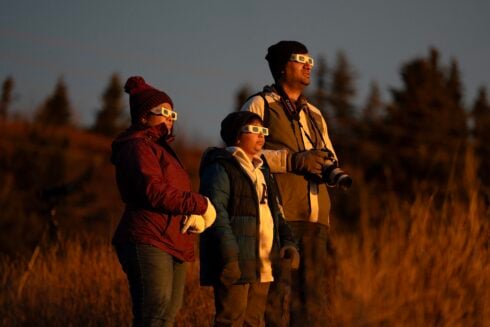
READ MORE: Tourism frenzy in rural Spain as 10 million solar eclipse seekers book up for August
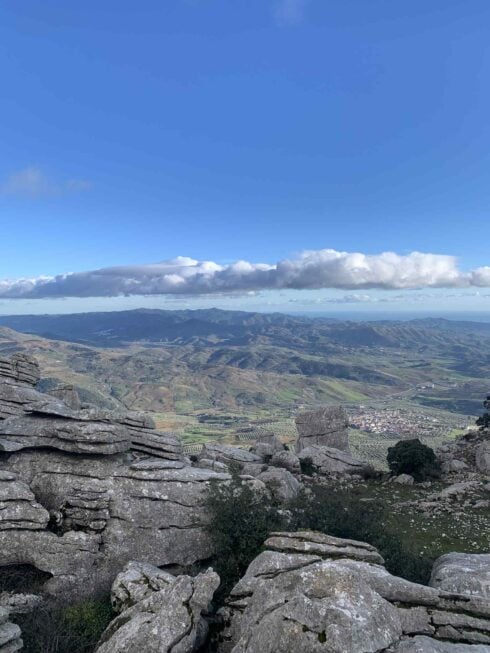
There are three marked hiking routes – green, yellow and orange – ranging from around 45 minutes to four hours, with varying levels of difficulty.
The longest route stretched approximately 3.8 kilometres.
The site also has a visitor centre that provides information on routes and conditions – ideal if, like me, you underestimated how cold it can get at altitude.
If you’re turning the hike into a weekend escape, Antequera makes the perfect follow-up.
Often referred to as El Corazón de Andalucia (the heart of Andalucia), the town sits strategically between Sevilla, Granada, Córdoba, and Málaga, yet remains refreshingly under-visited.
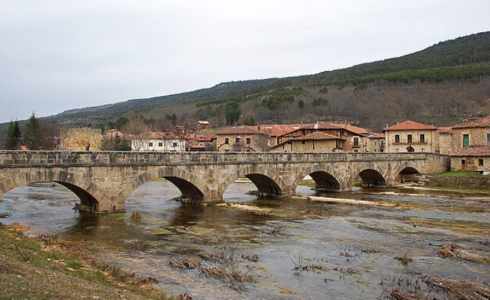
READ MORE: This beautiful village on the banks of the River Duero in central Spain is the perfect winter escape
There’s a quiet charm to Antequera that’s easy to appreciate.
Its streets are pristine, lined with stately, well-maintained buildings, thanks in part to a Special Development Plan designed to protect and preserve the historic centre.
Growth here feels measured, respectful and thoughtful.
Culturally and historically, Antequera more than holds its own. Its roots date back to the Bronze Age, and the town is home to over 50 monuments.
With 33 churches serving a population of around 41,000, it reportedly has one of the highest numbers of churches per inhabitant in Spain.
READ MORE: Lorry overturns on A-92M in Antequera, closing road towards Granada
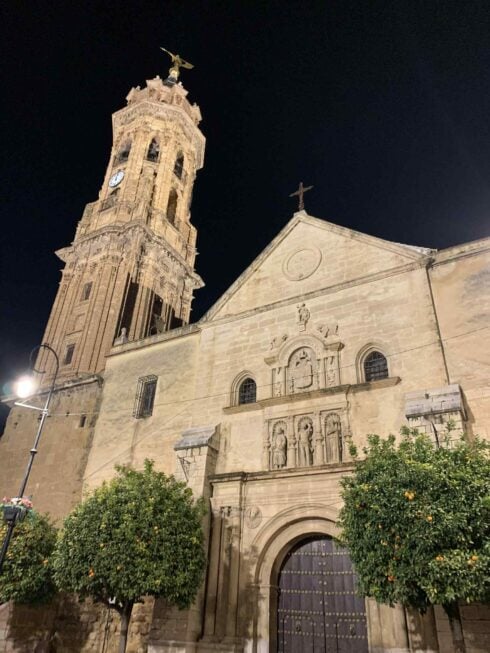
Dominating the skyline are the Alcazaba fortress and the Basilica of Santa María, offering panoramic views across the town.
The Palacio de Nájera is another highlight, housing the Museum of the City of Antequera and the famous Ephebe of Antequera – a striking first-century Roman bronze sculpture.
Perhaps most impressive, however, are the Antequera Dolmens.
Awarded UNESCO World Heritage status in 2016, this remarkable ensemble includes the Menga and Viera dolmens and the tholos of El Romeral.
They are considered outstanding examples of megalithic architecture and rank among the most significant prehistoric monuments in Europe.
READ MORE: High-speed trains between Madrid and Andalucia will be down until next week
For the night, I stayed at Hotel Número Uno, a welcoming hotel in the historic centre, with a downtown restaurant that feels both relaxed and local.
Antequera’s food scene is unapologetically traditional. Porra – a thicker, richer cousin of gazpacho – is a must-try, as are molletes, the town’s signature bread rolls.
Tapas menus often feature more rustic specialties, such as fried rabbit or goat.
At the heart of this gastronomic culture sits La Antequerana, an institution since 1888.
This historic café has preserved its recipes and techniques for generations.
READ MORE: 36 hours in Segovia: How to see the ancient wonders, medieval charm and Castillian traditions
Housed within an elegant 18th-century building with columns sourced from El Torcal itself, the space serves as a testament that nature and history are never far apart in Antequera.
In a region celebrated for its beaches and flamenco, Antequerea and El Torcal offer something rarer: a reminder that Andalucia still holds places that feel undiscovered.
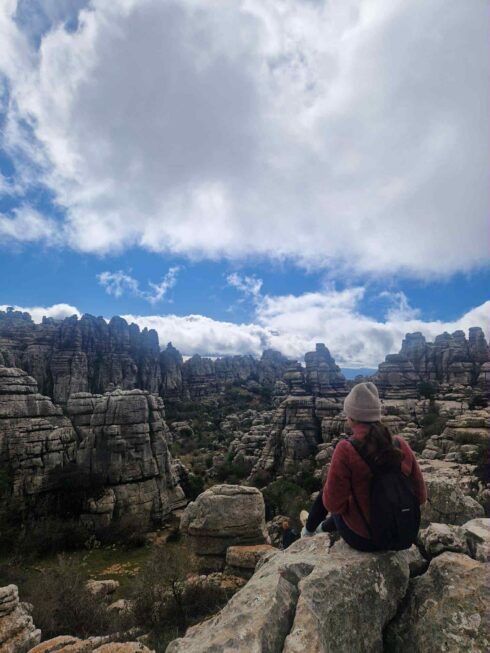
You may come to the natural park expecting a hike, but you leave feeling as though you’ve briefly stepped outside of Spain altogether.
Paired with the understated elegance of Antequera, it’s a weekend that feels less like a getaway and more like a journey between worlds – no dragons or direwolves required.
Click here to read more Spain News from The Olive Press.