
THE Spanish government will pay out over €20 million in compensation to the victims of the country’s worst train crash in over a decade, it has been announced.
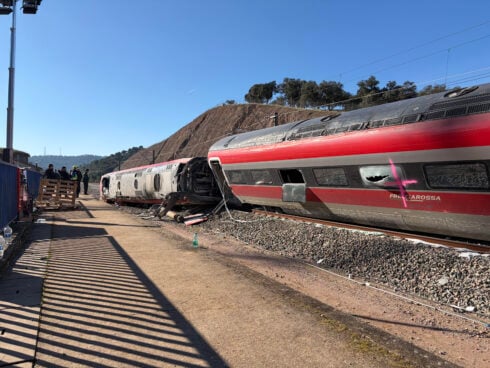
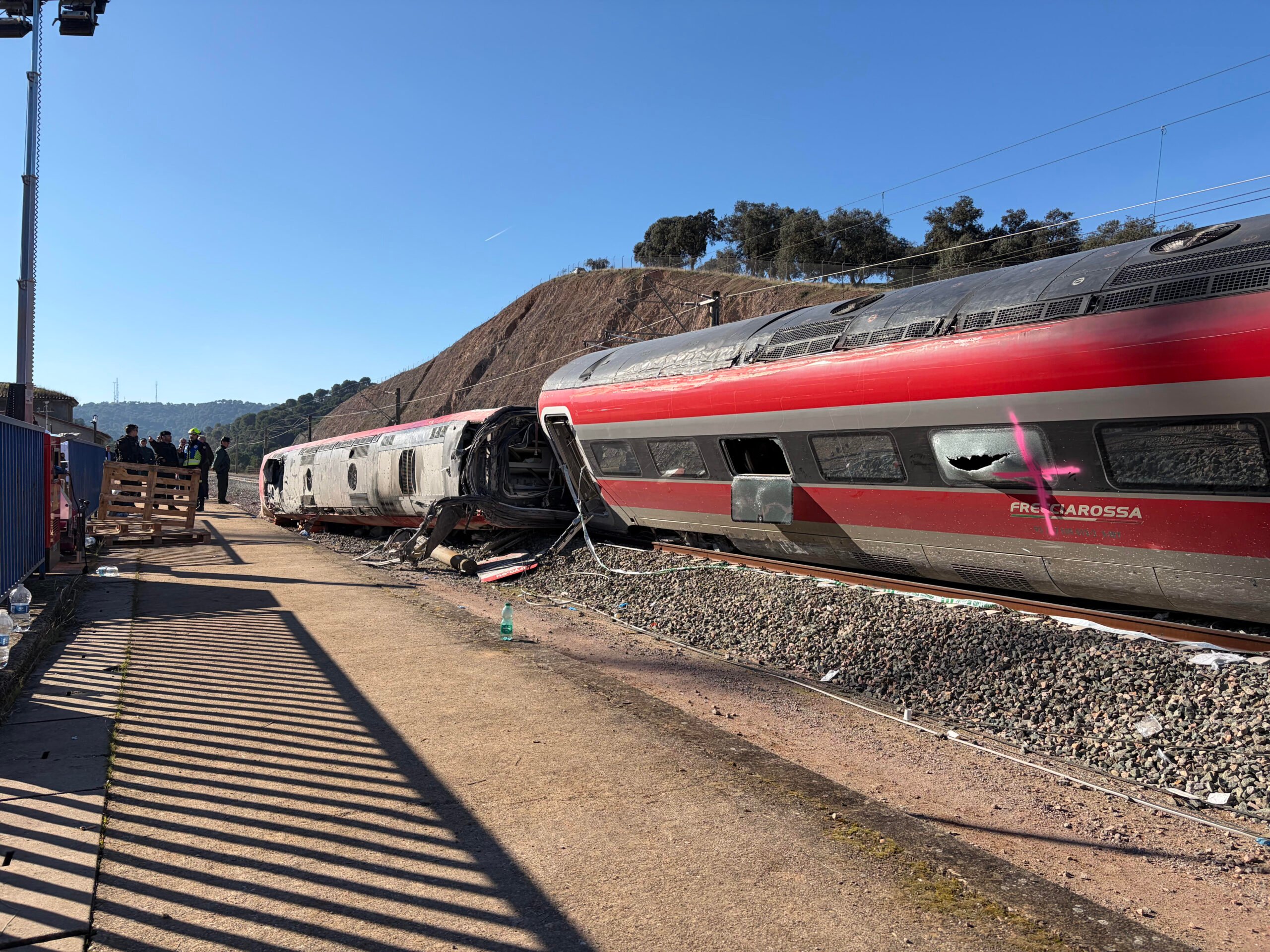
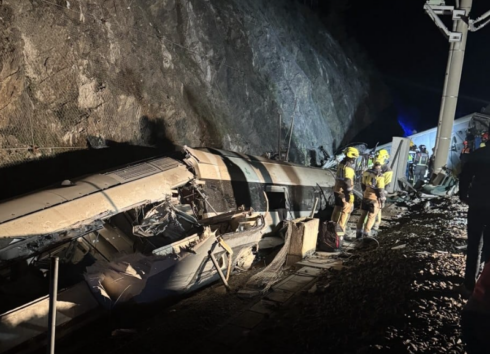
Eleven days ago, two high-speed trains derailed in Adamuz, Cordoba in Spain’s deadliest rail accident since 80 people were killed in Santiago de Compostela in 2013.
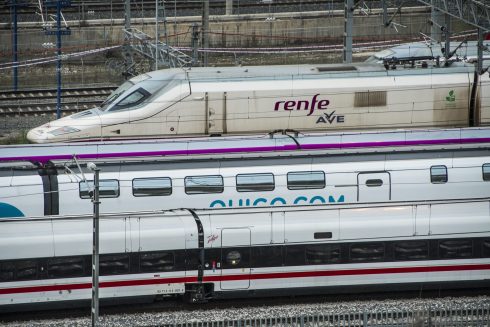
A total of 45 people died after the rear carriages on a Madrid-bound Iryo service carrying over 300 passengers flipped onto an adjacent line and collided with an oncoming train destined for Huelva.
Transport minister Oscar Puente confirmed on Tuesday that the government will expedite the normal compensation process, forking out over €20 million in support for those most seriously impacted by the disaster.
The families of the 45 people killed will each receive €216,000 within the next three months, consisting of €72,000 in tax-exempt government aid, an advance payment of €72,000 from civil liability insurance and an equal third sum from passengers’ mandatory travel insurance.
Puente said payments for those hurt in the disaster will range from a lower rate of €2,400 to €84,000, depending on the extent of their injuries.
He added: “We know that ordinary procedures and legal timelines do not always respond to the vital urgency of a tragedy like this. Economic uncertainty cannot be compounded on top of emotional pain.”
Referring to the 2013 crash, Puente said: “We will not allow a repeat of what happened in Angrois. They will not have to wait ten years to receive compensation.”

The compensation scheme also applies to those involved in a fatal accident on Barcelona’s Rodalies commuter rail network just two days after the Adamuz crash.
A train driver was killed and over 40 passengers were injured after a R4 line service came off the tracks between Gelida and Sant Sadumi, colliding with a retaining wall that collapsed onto the line following a spell of heavy rain.
The spate of accidents have raised urgent questions about the state of infrastructure on Spain’s rail network, long billed as one of Europe’s best.
Click here to read more Spain News from The Olive Press.