

THE Valle de las Pedroches, in northern Cordoba, is famed for producing some of Europe’s finest pork. Despite this, finding a truly exceptional place to eat can be surprisingly difficult.
However, in Pozoblanco, the home of COVAP (the local association of Jamon Ibérico producers), Karen Bistro is a delightful exception. Indeed, an unexpected gem
Pozoblanco may not be a beautiful town, but the bistro itself is housed in a charming old townhouse.
Inside, you’ll find a captivating space with vaulted ceilings and Roman brick arches, decorated with boater hats and close-up photos of head chef Carlos Fernandes’ favourite dishes.
The atmosphere is set with floor-to-ceiling uplighting and modern jazz music, and the sight of sous chefs sporting ‘50 Best Chefs’ jackets certainly raises expectations.
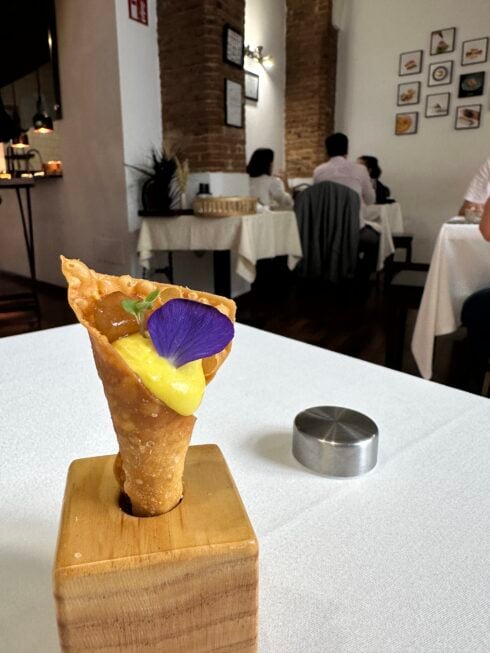
The dining experience begins with a ‘false cornetto’ a true tour de force that transitions into an Arabic Mazamorro explosion; a rich blend of almonds, bread, and olive oil dating back to the era of Al Andaluz, when this region commanded a third of the world.
Though a well-priced, seven-course menu del día is offered, arriving late meant being steered toward the a la carte menu. This proved no hardship, as it featured the impressive tuetano (calf shin with steak tartare).
The waitress offered sound advice, guiding me away from a heavier mushroom dish to a lighter, more affordable choice of a croquette and a sardine pepper coca with fig chutney.
The black pudding croquette arrived with a handsome slice of ham and a piece of mother dough bread, served with the instruction: “Eat with your hands.”
While the rich flavours were rewarding, they did lead to a small casualty on a new pair of shorts.
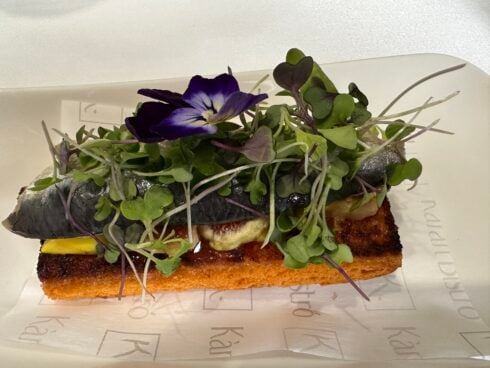
Next, the Coca – a sort of royal tostada – was a beauty, topped with edible flowers and watercress over fresh sardine and figs. It struck a perfect balance of sweet and sour.
READ MORE: Revealed: The four Spanish coffee shops ranked among the best in the world
The mains predictably focus on meat, sourced primarily from the happy black Iberian pigs that roam the nearby Sierra Morena range.
This imperious mountain range – the border between Castille and Andalucia – is home to the acorn-fed pigs that produce the world’s best ham.
The choice was obvious: the roast sucking pig (lechón Ibérica), baked in a delicious sauce with tomato and orange.
Its arrival coincided aptly with a group of uniformed COVAP employees finishing their lunch, highlighting the brand’s local importance and global respect.
The piglet was succulent, rich, and thankfully half the size typically served in the northern mesons of Castilla; the crispy scratching was arguably the best part.
My dessert was a nod to the region’s Arabic heritage: an original ice cream made from the local sweet wine of Montilla Moriles, blended with licorice and kefir.
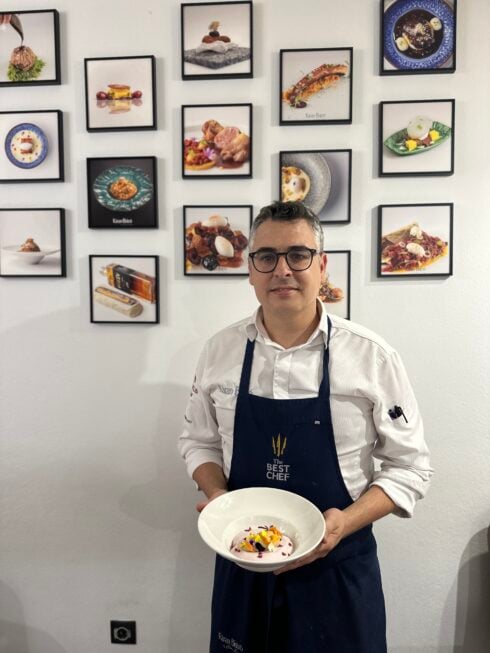
Before leaving, I chat with Carlos, who has run the bistro for seven years and already holds a Michelin Bib Gourmand (‘red meals’ recommendation).
He mentioned his friendship with three-Michelin-star chef Paco Morales of Noor in Cordoba city, but insisted his style aligns more with Benito Gomez at Bardal in Ronda – a commitment to honest, local ingredients I can certainly attest to.
Carlos is optimistic about a higher honour: “We’ve had the inspectors at least three times this year so we are definitely on their radar. Fingers crossed a star is en route.”
Given the incredible value – €39.95 for a set lunch, or €50 for my three courses – I secretly hope the star doesn’t materialise, keeping this steal accessible.
Montoro: History and Heart on the Guadalquivir
From Pozoblanco, the journey must continue to Montoro, a town renowned as a key place for spotting the once highly endangered Iberian Lynx in the heavily protected surrounding countryside.
For accommodation, I recommend the ancient olive mill, Molino la Nava, nestled deep in the rolling hills and rivers – a truly off-the-beaten-track spot with welcoming staff and comfortable, simple rooms.
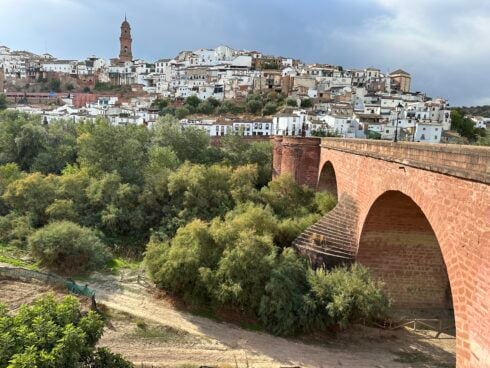
Montoro is a little-visited and highly underrated town, easily overshadowed by imperial cities like Seville, Cordoba, and Granada, as well as secondary gems like Priego de Cordoba, Ecija and Antequera.
Yet, this is a pity, as Montoro has witnessed significant history, serving for centuries as a strategic crossing point on the celebrated Guadalquivir river.
While it lacks the sheer architectural splendour of its rivals, its fascinating old town is well worth exploring, especially the unique Plaza Espana.
Heading towards lunch, you cross the charming, ancient bridge – said to be Roman – from where Columbus is fabled to have set off to find the New World.
Sol Zapatilla: Dining on History
At the restaurant Sol Zapatilla, securing a table overlooking the bridge offers a palpable sense of Montoro’s historical weight.
The menu is an interesting survey of local cuisine, featuring many ingredients from their own ‘huerta ecológica’ (organic garden), which you can stroll through below the bridge.
Owner Manuel Cabrera proudly pointed out the garden and his free-range chickens, boasting, “It’s full of goodness all year round.” In the summer, he even invites clients to collect their own vegetables to be cooked in their unique style.
Vegetable dishes abound, including the curious Marrueco con chorizo, a dish passed down in Miguel’s family since Arabic times. He explained its ‘unique secret spice’, which gave the mostly pumpkin dish a subtle chorizo flavour.
READ MORE: This Mediterranean foodie’s paradise guards the entrance to Valencia’s most authentic neighbourhood
When asked if I wanted it spicier, a ‘yes’ resulted in a tiny thimbleful of the secret blend that added real joy – though a single drop more would have been explosive.
Montoro’s history predates the Moors. Known as ‘Epora’ in Roman times, the ancient Via Augusta, which linked Spain and Italy, runs right past the restaurant door. Manuel insists: “We’ve had travellers supping here since the days of the Caesars.”
It’s tempting to wonder if some current menu items were served back then. The menu features four mushroom dishes, a nice-looking asparagus dish, and a seemingly ancient vinagreta with chickpeas.
Being Cordoba, rabo de toro (oxtail) and plenty of good pork dishes are predictably available. This time, however, I stuck with the vegetables and found the asparagus delicious.
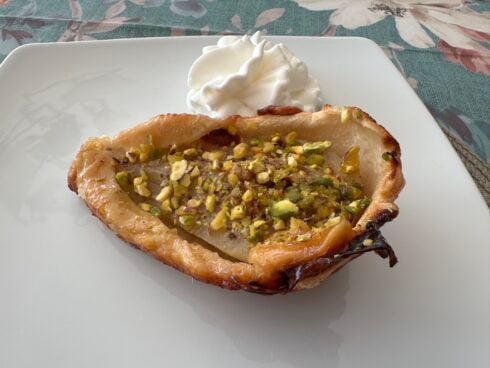
For dessert, the typical Al Andaluz-era Bienmesabe was on offer, but I preferred the sound of the pear tart with a sprinkling of almonds. While its appearance was unappealing, like the backside of a bus, the flavour was delicious, though it should have been hot, not lukewarm.
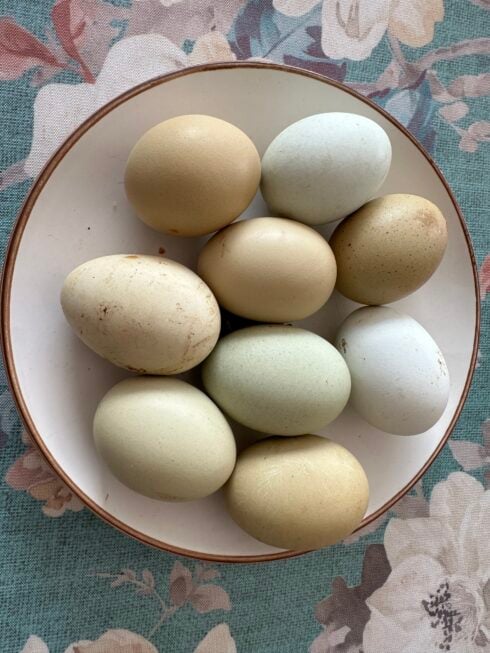
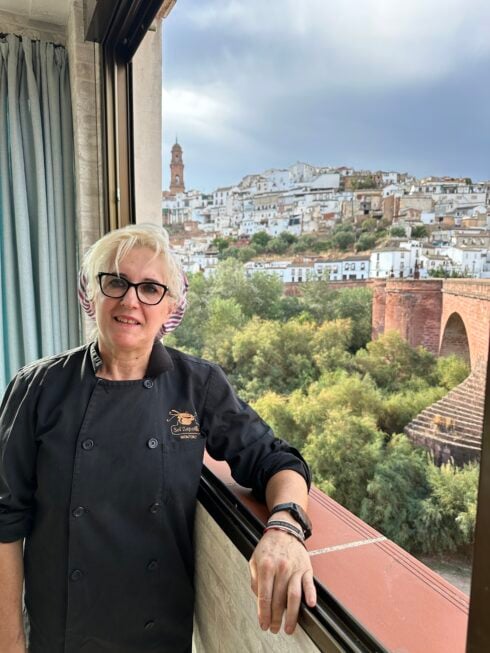
Finally, I met chef Mari, who manages the two dozen free-range chickens. She insisted on presenting a collection of eggs – a genuine oil painting of colours – a warm finale before setting off for home.
Click here to read more Food & Drink News from The Olive Press.