
IN Charles Dickens’ Great Expectations, the boy-hero Pip contemplates the gravestones of his dead brothers.
Because of their shape, he assumes that they were buried with their hands in their pockets.
That’s so British.
We have a sardines stereotype. We think that they are two inches long, love to cram together into narrow tins, and spend their lives smothered in olive oil.
How wrong, how terribly wrong!
Real sardines – and this bit of the world, where the Med meets the Atlantic, is the home of the sardine – are beautiful fish, up to ten inches long and heavy with succulent meat.
The only oil associated with them is the stuff they produce themselves: divine, life-giving Omega 3.
Until you’ve eaten an ‘espeto de sardinas’, you haven’t lived.
A what?
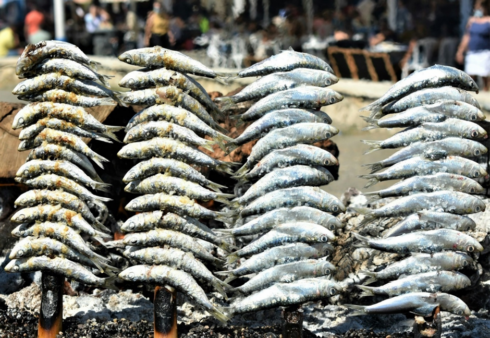
This is a fish dish invented on the beaches of Malaga.
It’s eaten mainly in the summer, when the months are not written with an ‘r’, so May is the start of the espeto season.
It sounds simple enough to do, but enormous skill is required for it to be done right.
A small wooden boat is filled with sand.
A fire is lit on top of the sand – purists say it must be a wood fire, and olive wood is necessary for the ideal flavour to emerge.
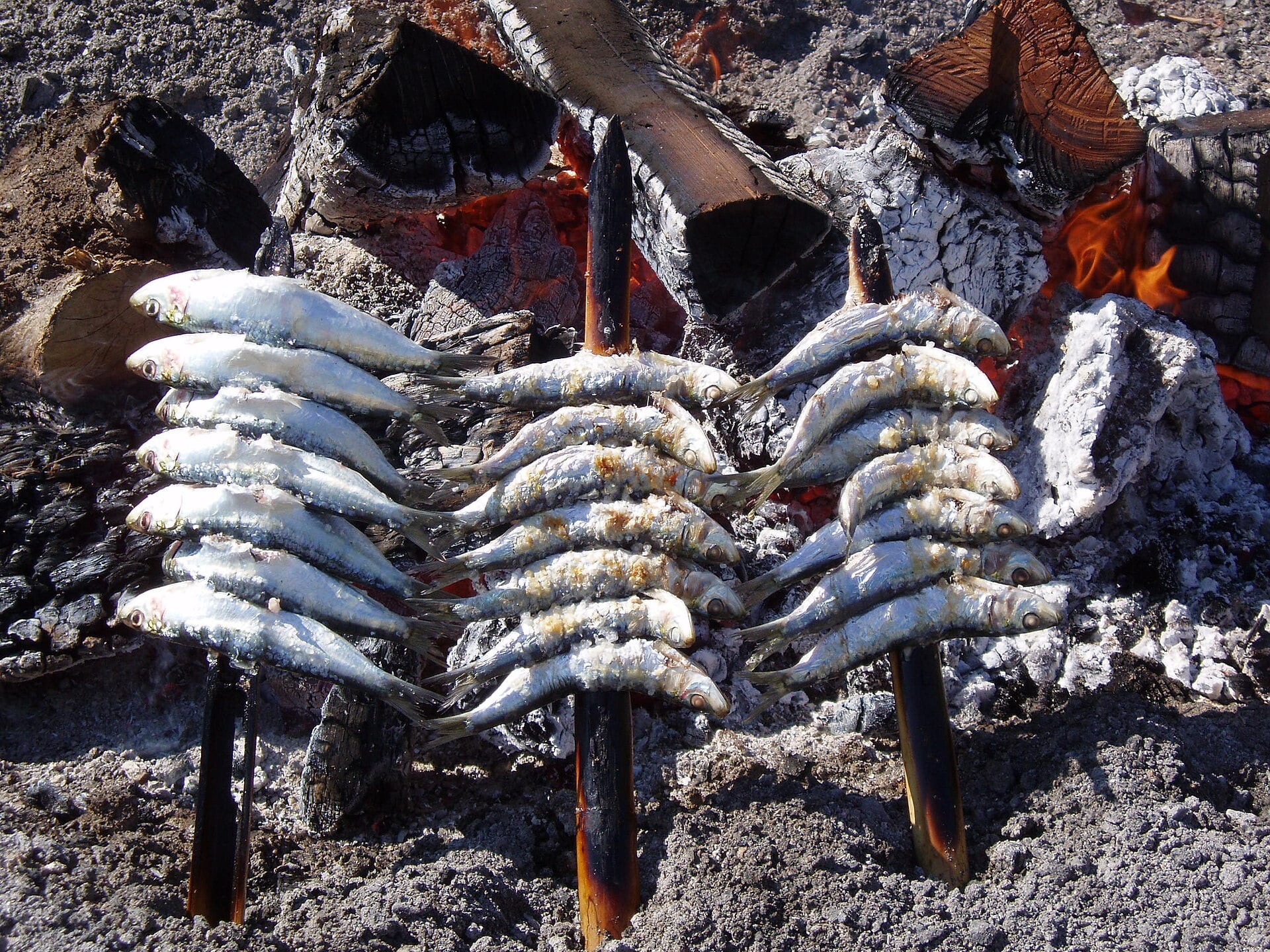
Sardines are arranged on wooden splints, and these are placed upright in the sand, close to the flames.
The cook’s true skill consists in constantly moving the splints towards or away from the embers, until the fish is roasted to perfection.
On a sunny, blustery evening, it’s quite a sight to behold – a symphony of billowing flames, sardine-fragrant blue smoke, and the silver of the fish, glimpsed through the churning turmoil.
Once your espeto is cooked, you are free to dress it as you see fit – rock salt, extra-virgin olive oil and lemons fresh off the tree are three favourite garnishes.
Many malagueños insist on adding nothing at all – opting for sheer, delicious, chemical-free nourishment.
It hardly needs pointing out, but crisp white wine and ice-cold beer are superb accompaniments with which to wash down your espeto.
To get scientific for just a moment, studies show that plankton – the green sea-grass that sardines eat – is plentiful in the summer months, and the fish gorge themselves on it, which increases their body-meat, and enhances their fragrance.
Malaga is justifiably proud of having given this precious (and not cripplingly expensive) gift to the world, and there are many chiringuitos (beach restaurants) which keep up the tradition.
Here are six which might appeal to you:
READ MORE: Feeling peckish? Here’s our guide on the best places to eat in thriving Estepona
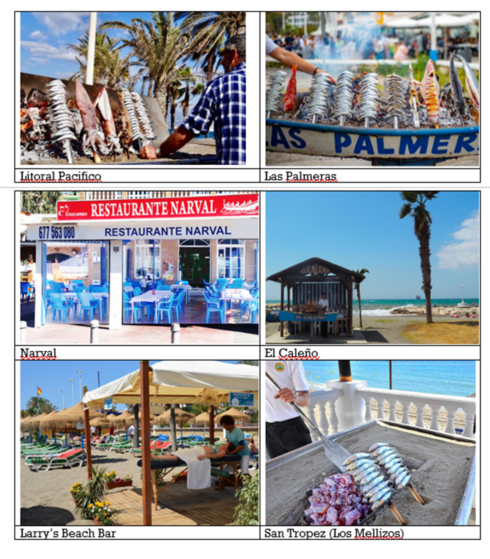
Litoral Pacífico (Paseo Marítimo Antonio Banderas 5).
The in-house cook knows just how to do espetos.
The flesh of the sardines must be dry and tender, while the skin needs to be crisp on the outside.
If there are members of your family who don’t fancy sardines, this excellent seafood restaurant can offer sea bream, red mullet, octopus and king prawns.
Las Palmeras (Paseo Marítimo el Pedregal 97)
Although it’s difficult to choose the best dish on the menu, Las Palmeras has become a benchmark for seafood and fish in the El Palo neighbourhood.
Beyond the spectacular prawns and soupy rice dishes, the espetos at this establishment are legendary.
Narval (calle Banda del Mar 139)
Famous for its affordable prices, Narval not only boasts the best views, being situated right on the Mediterranean, but it’s also capable of serving more than 1,000 espetos daily without compromising on quality.
El Caleño (Paseo Marítimo Pedregalejo 49)
This restaurant’s special boast is that it never lets its wood fires go out. The result is, espetos with a unique smoky flavour.
Larry’s Beach Bar (Costa de la Carihuela 19, Torremolinos)
This is the restaurant which won the Costa del Sol Espetos Award of 2025.
San Tropez [Los Mellizos]: (Santa Ana Beach, no number)
The Saint Tropez is the company’s flagship restaurant, as they themselves describe it, and espetos are among their star products.
So there you are – you know what Malaga’s defining delicacy is, and you know where to get it: so hit the beach and have a marvellous summer!
Click here to read more Spain News from The Olive Press.