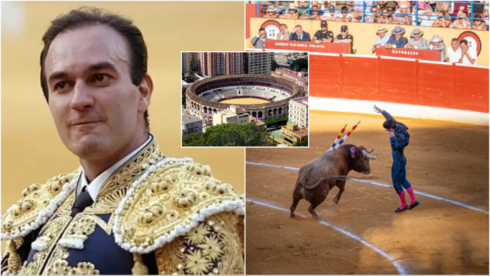

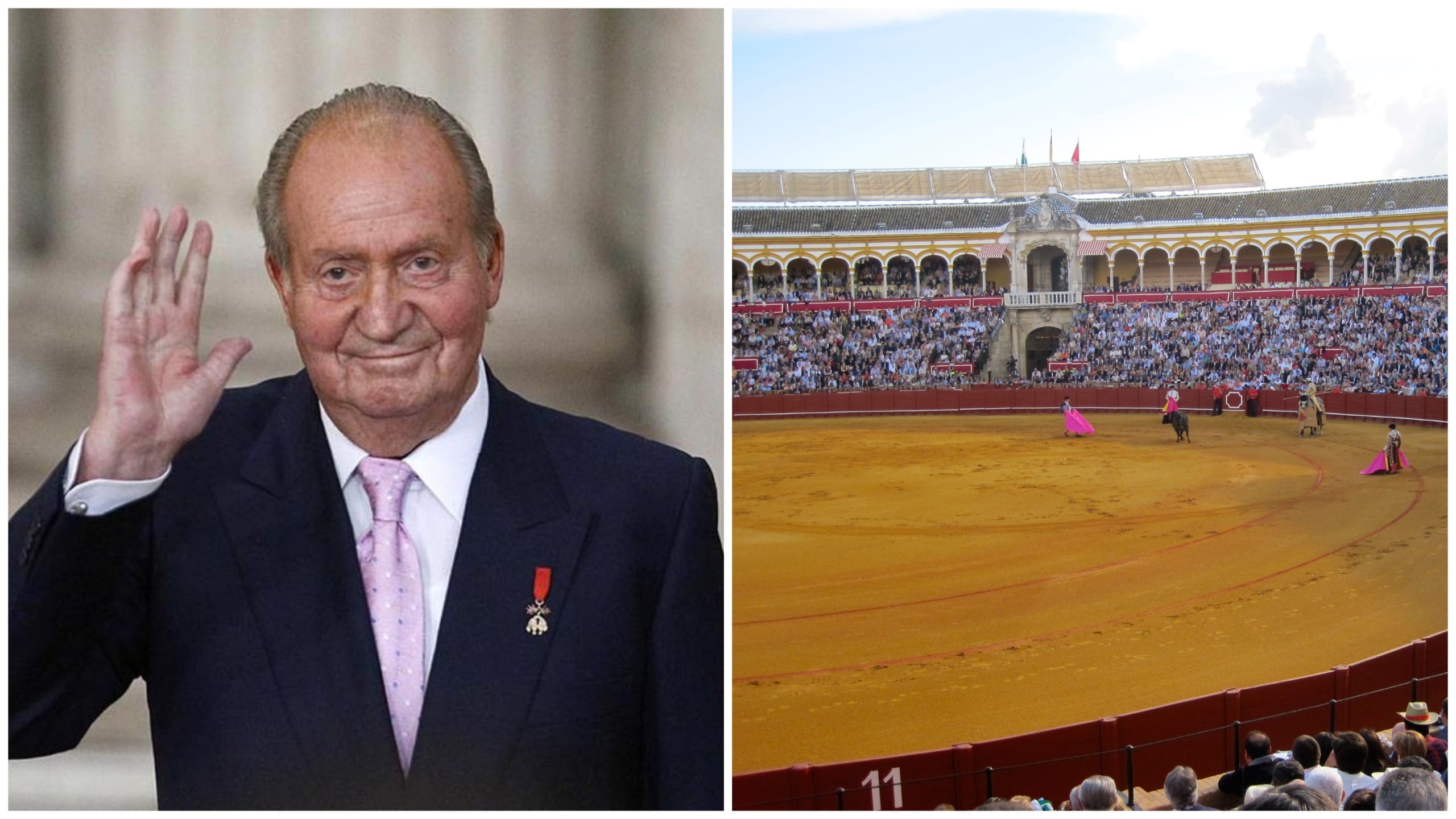
THIS is the moment Spain’s disgraced former king made his return from exile at Seville’s Easter bullfight – sparking fresh controversy as the crowd rose to give him a standing ovation.
Footage shows attendants applauding enthusiastically as a smiling Juan Carlos I waves to the crowd before taking his seat to watch the spectacle.
The video, widely circulated on X (formerly Twitter), has sparked a backlash online, with critics condemning the former monarch over the scandals that overshadowed his reign.
READ MORE: Retired matador, 51, gored to death on the Costa del Sol while preparing animal for Easter bullfight
“My worst wishes for the former king,” one user wrote.
“With his disgraceful example, he’s one of those most responsible for the mess Spain is stuck in.”
Several others echoed the sentiment, with some also turning their anger toward Spain’s tradition of bullfighting.
“Totally unsurprising,” another user commented, criticising those in attendance.
“People with base instincts who pay to watch a noble animal tortured live are bound to cheer a fratricidal, womanising thief who embodies the most primitive form of power – monarchy imposed by force.”
Juan Carlos I has been living in Abu Dhabi since August 2020, when he left Spain amid mounting scrutiny over his financial affairs.
The former monarch relocated to the Gulf state as prosecutors in Spain and Switzerland examined allegations linked to undeclared assets and offshore accounts.
His departure followed growing pressure after reports emerged that he had received tens of millions of euros from foreign sources, including a controversial payment connected to a Saudi infrastructure deal.
Although Spanish prosecutors later dropped several investigations – citing lack of evidence, the statute of limitations, or his former immunity as head of state – the reputational damage had already been done.
At home, Juan Carlos’s legacy had already been shaken by earlier controversies. Among the most damaging were revelations about his relationship with businesswoman Corinna Larsen, as well as criticism over an expensive elephant-hunting trip to Botswana during Spain’s financial crisis – an episode that drew widespread public anger and culminated in a rare public apology.
READ MORE: The curious link between Spain’s Easter processions and a fascist ally of dictator Franco
Juan Carlos I had become king in November 1975 following the death of dictator Francisco Franco, who had ruled since the end of the Spanish Civil War.
Franco had restored the monarchy in name but bypassed the exiled royal heir, instead appointing Juan Carlos as his successor in 1969 to preserve his regime after his death.
When Juan Carlos took the throne, many expected him to preserve the authoritarian system he had been groomed under.
Instead, he played a key role in Spain’s transition to democracy, overseeing political reforms and supporting the dismantling of Francoist structures.
The scandals contributed to a dramatic fall from grace for Juan Carlos, ultimately leading to his abdication in 2014 and his self-imposed exile years later.
Click here to read more Politics News from The Olive Press.