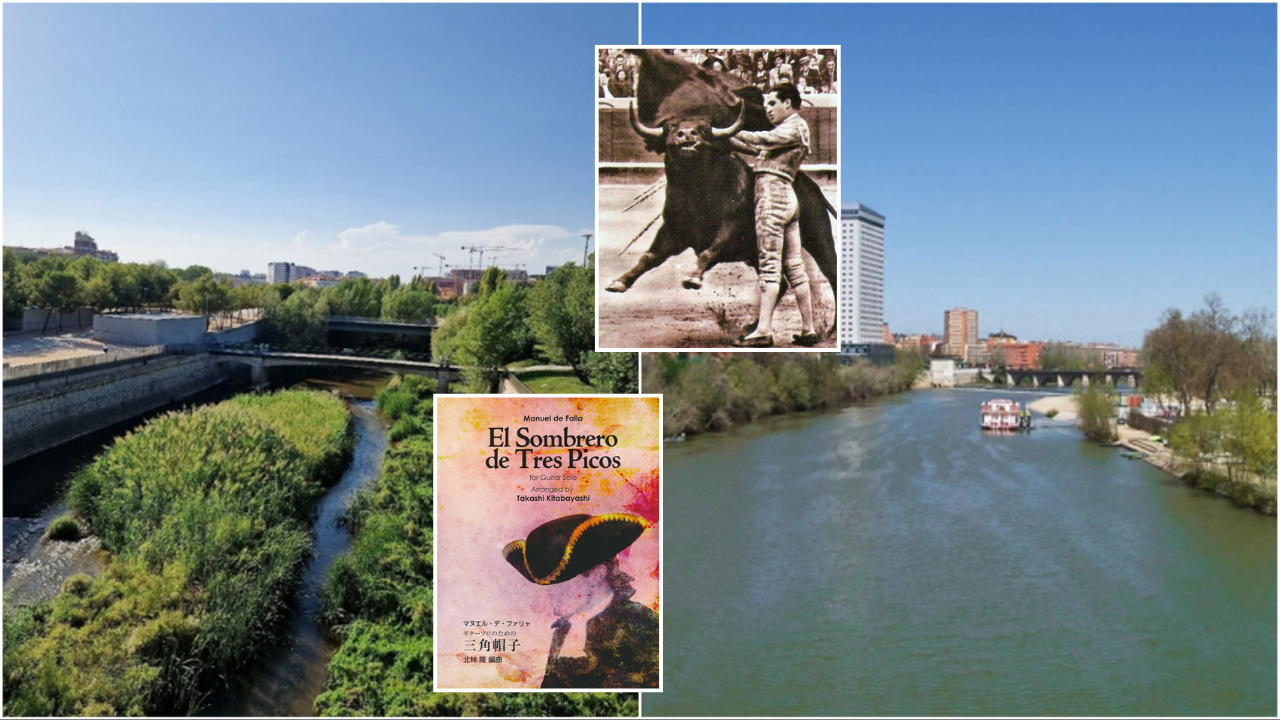
ON 6 April 1606, the Spanish capital moved from Valladolid in Castilla y Leon to Madrid.
Madrid has always had one outstanding asset in its claim to be Spain’s foremost city – and one great drawback.
The advantage is its prime location in the exact centre of the country.
Regional differences are always a source of controversy in Spain.
So having a capital city in the very middle tends to unify the nation and militate against provincial jealousies.
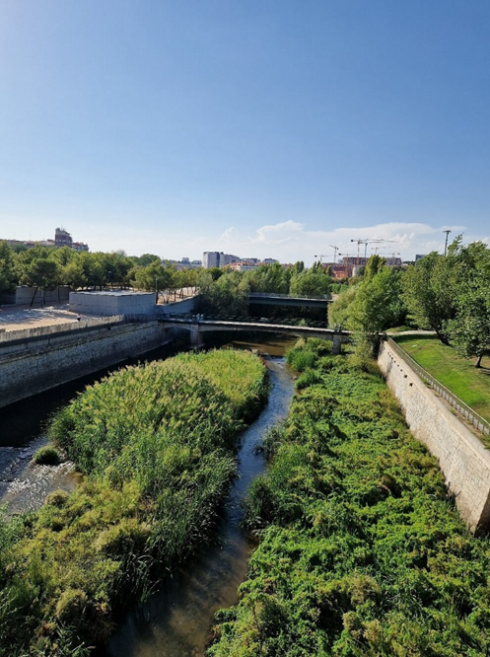
The big disadvantage has always been its lack of water.
In our spoilt modern age, if we need a drink, we turn on the kitchen tap.
Throughout the entirety of human existence, it was always a case of grabbing a bucket and going down to the river.
Paris, London, New York – it’s hard to think of a city more than 100 years old which doesn’t stand on the banks of a great river.
Compared to the Thames or the Seine, Madrid’s Manzanares is really quite puny.

The city of Valladolid, 120 miles north-west of Madrid and abundantly watered by the Pisuerga river, is the ancient capital of Castile.
Under king Felipe III, it was the nation’s first city for a few years, but in 1606 the Royal Court moved back to Madrid.
So why did Valladolid lose its status?
Modern researchers have discovered that the Duke of Lerma arranged the transfer, so that he could make a killing on the property market!
7 April 1917: Premiere of The Three-Cornered Hat
It’s Andalucia in the 1700s.
A miller is angry because the local magistrate is trying to seduce his wife.
This basic plot leads to all sorts of comic nonsense, and ends with the miller and the magistrate dressing in each other’s clothes!
The Three-Cornered Hat started life as a novel in 1874, but in 1916 the classical composer Manuel de Falla turned it into a ballet.

De Falla was originally from Huelva, but spent most of his adult life in Granada, where he fell in love with flamenco music.
When the ballet (with choreography by Diaghelev) premiered in Madrid in 1917, it won immediate acclaim, and has been popular ever since – largely on account of its strong flamenco roots.
Flamenco specialists enjoy watching performances and identifying the various ‘palos’ (formats) embedded in the music.
8 April 1962: The death of Juan Belmonte
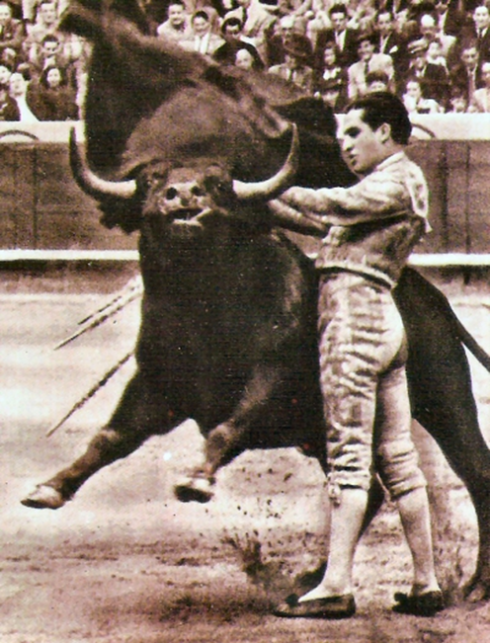
The world of bullfighting went into mourning on Sunday 8 April, 1962, when it was announced that Juan Belmonte Garcia had died, a week before his 70th birthday.
Though he had the ideal pedigree for a matador (he was a Sevillano, raised in the barrio of Triana), Belmonte did not have the physical attributes to be a torero.
And therein lies his genius.
When Belmonte first started fighting the bulls professionally in 1908, a typical toro was 6 years old and massive.
There was very little elegance involved. The man’s objective was to slaughter the brute before it got him.
Juan had deformed legs.
He could walk normally, and even run in an emergency, but he lacked the nimbleness of contemporaries like Joselito.
It took him years, but he persuaded bullring managers (and the public) that fighting younger, smaller bulls could be worthwhile – and even beautiful.
For the first time, Belmonte showed the world that this activity was an art.
With graceful, balletic moves, a man could make living sculptures with a wild animal, without offending the spectacle’s basic rules.
Luckily for Belmonte, while he was at the height of his powers, Ernest Hemingway showed up in Andalucia.
The American author understood the quiet revolution that the matador was enacting.
Hemingway’s book Death in the Afternoon is largely about Belmonte and what Hemingway calls his ‘sinister grace’.
After his retirement, Belmonte relished playing the part of a ‘star’ in the streets of Seville.
He drank at the best cafés and was always followed by an entourage – often of writers and poets.
And of course he could always be seen at the bullfight, smoking a big cigar.
He had the satisfaction of outliving Hemingway – who called him a ‘cripple’ – by nine months.
Click here to read more Spain News from The Olive Press.