

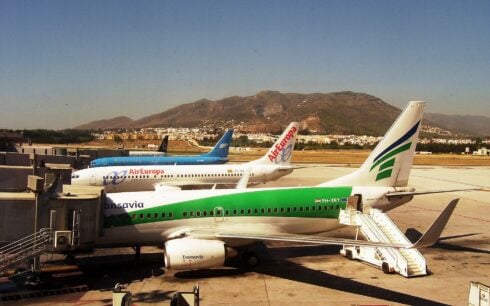
MALAGA-Costa del Sol Airport remains largely untouched by the growing wave of global flight disruptions, caused by surging jet fuel prices due to the escalating conflict in the Middle East.
Despite mounting pressure across the aviation industry, airlines operating in southern Spain have maintained their scheduled arrivals and departures, with no immediate plans for cancellations.
Due to jet fuel shortages caused by the closure of the Strait of Hormuz, airlines in Asia, US and central Europe have begun trimming routes and adjusting operations.
Across Europe, Italian hubs like Milan Linate Airport and Venice Marco Polo Airport are implementing early precautionary measures, as they are using fuel supplied by Air BP Italia.
Multiple airlines confirmed to La Opinión de Málaga on Monday that Malaga has received no such measures.
However, fuel costs have been affecting ticket prices since early March, following the war in the Middle East and instability in global energy markets.
Industry insiders note that even during the Russian invasion of Ukraine, Malaga’s connectivity grew, highlighting tourism’s importance to Spain’s economy.
So far, Spain has not adopted the European Commission’s recommendation for voluntary fuel restrictions that could affect aviation.
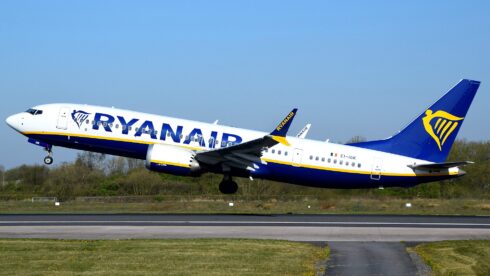
Ryanair warned that up to 10% of its flights could be affected, but Aena downplayed any immediate disruption in Andalucia.
The situation could change rapidly if the conflict drags into the summer months.
In the United States, some airlines have already suspended routes after jet fuel prices reportedly doubled.
Last week, the European Commission called on member states to introduce voluntary measures, aimed at conserving fuel.
Recommendations include expanding remote working, lowering motorway speed limits and encouraging greater use of public transport.
READ MORE: Spain calls for windfall tax on energy firms as Iran war sends fuel prices soaring

Aena indicates that cutting flight routes would be a last resort. Governments will firstly focus on reducing road traffic through carpooling initiatives or vehicle restriction systems in major cities.
Dan Jorgensen, European Commissioner for Energy, spoke to the Financial Times about the current situation.
He warned that ongoing tensions, affecting transit through the Strait of Hormuz, could have long-term consequences for global energy supply.
“Energy prices will be higher for a long time,” he said. “We are preparing for the worst-case scenarios. It’s better to be prepared than sorry.”
Click here to read more Travel News from The Olive Press.