

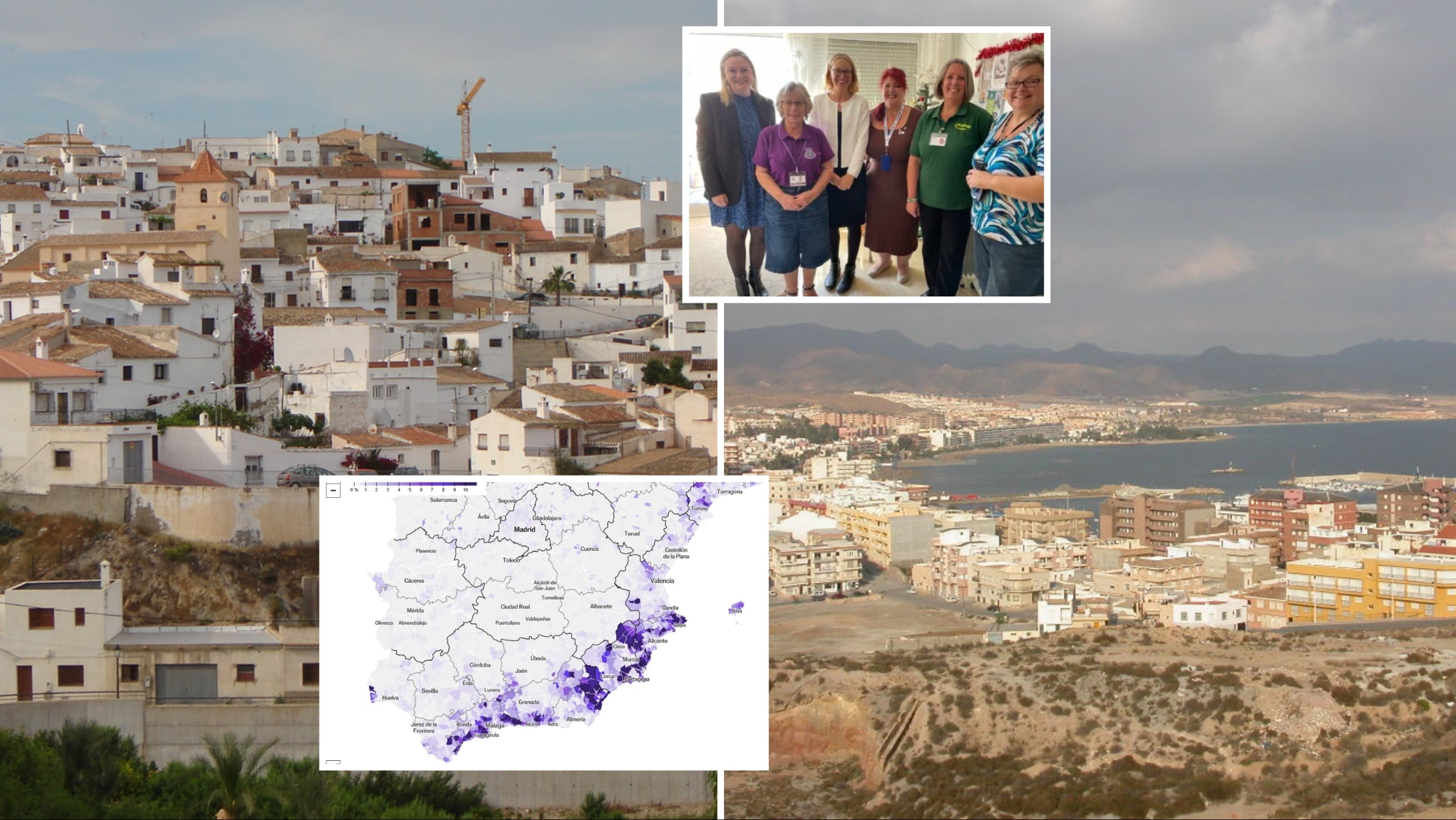
A STRIKING new map has revealed where British expats have clustered on Spain’s costas – including several towns where they make up about half of the local population.
And – surprisingly – no town in the Costa del Sol, despite being famously beloved by Brits, is anywhere to be seen in the top five.
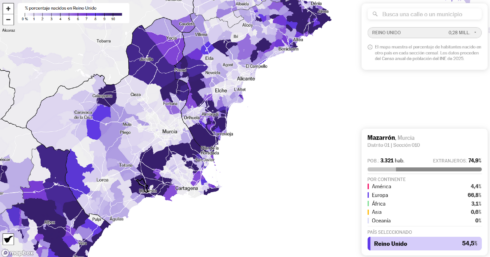
Instead, the visualisation highlights locations from Almeria to Alicante where Brits account for more than 40% of residents – peaking at nearly 55% in part of one Murcia town.
The map, drawn up by El Pais using data from Spain’s National Statistics Institute (INE), points to large swathes of the Costa Tropical, the Costa Calida and the Costa Blanca where British immigrants have formed distinct enclaves, reshaping these areas into multicultural hubs with diverse ways of life.
Below is a list of the five locations with the highest concentrations of British expats on Spain’s costas, along with a closer look at how their presence has transformed the communities in which they cluster.
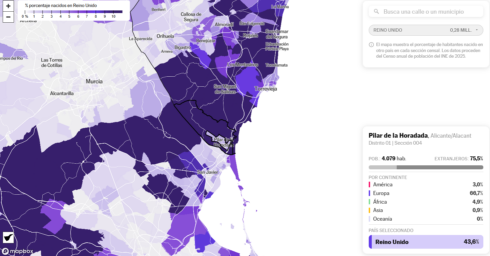
Pilar de la Horadada, Alicante – 44% Brits
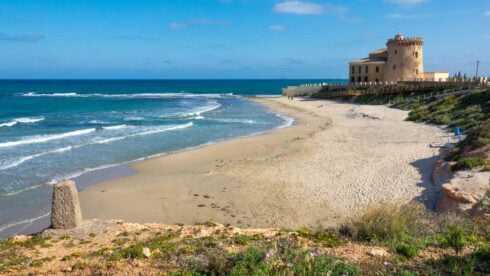
The southernmost point of Alicante province, Pilar de la Horadada is named after one of the numerous watchtowers built around the settlement to protect the coast from pirate raids in the 8th century.
Many of the watchtowers, impeccably preserved, still stand. But instead of pirate ships plying the Mar Menor, they now watch over a thriving community of 25,000 people – which, in some areas, is more than 75% expats and around 44% Britons.
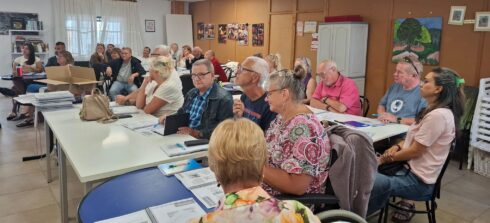
“There are lots of Dutch and Belgians here, apart from Brits,” said garage owner Roger McDowell. “I wouldn’t say we have reshaped our surroundings – we are here for the Spanish way of life.”
“Some Brits and other expats have set up their own businesses here, but it still feels like a quintessentially Spanish town,” he added.
With sun-drenched beaches and the remnants of its historic past still jutting out of the town centre, Pilar is today a place where life runs slowly and is lived ‘one minute at a time,’ McDowell said.
Originally from Stafford, the 57-year-old told The Olive Press he moved to Pilar nine years ago – and that living in the seaside town was a ‘joy.’
“My partner and I have a motorboat, and some days we’ll go on rides around the harbour,” he said.
McDowell added that several of his compatriots now run businesses in Pilar, including other garages and shops.
Partaloa, Almeria – 45% Brits
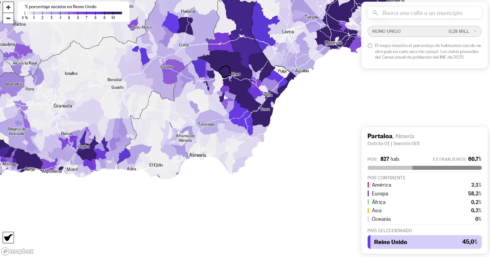
Partaloa’s history is intimately entwined with that of Bedar, featured below in this list.
As generations of young Spaniards trickled out of their home town, immigrants from central Europe and Britain quietly settled in – repopulating an area that had been emptying out for more than two decades.
Today, foreigners account for 68% of Partaloa’s population of 836 – with Brits alone making up 45% of the total, according to the INE.
Mayor Maria Joaquina Lopez Garcia told The Olive Press they especially revived the farms and plots around the town centre, injecting life back into an area that had sat abandoned for years.
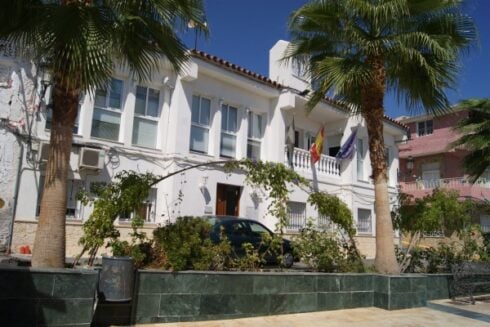
“We are overjoyed with our community of immigrants,” she said. “They participate in community life and bring diversity into a place that was slowly emptying out.”
Lopez added that most of the British expats in Partaloa are retirees or families without children, and that they have moved to the Almeria village in search of a quieter life.
“They have fit in really well. There is a pub here, which is run by a Belgian, where residents often come together for a chat or a meal in the evening,” Lopez said.
“I am proud to say Partaloa is a prime example of integration,” she added.
Many Brits in Partaloa have renovated run-down properties, turning them into farms or homes, and now enjoy the fruits of their labour as they tend their vegetable gardens or small orchards.
Mazarron, Murcia – 55% Brits
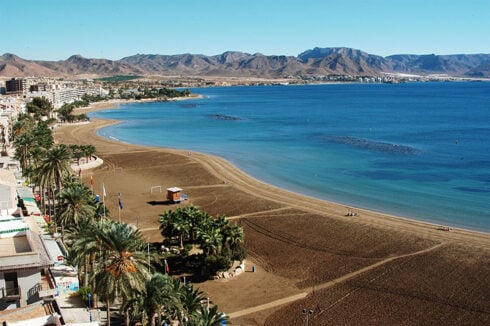
In 2022, Mazarron made National Geographic’s exclusive list of 50 unmissable escapades across Spain – and for good reason.
This town near Murcia is nestled between the mountains and the sea. On one side, rocky cliffs tower above a glittering stretch of the Mediterranean; on the other, verdant hills cast their shadows over the streams and creeks below.
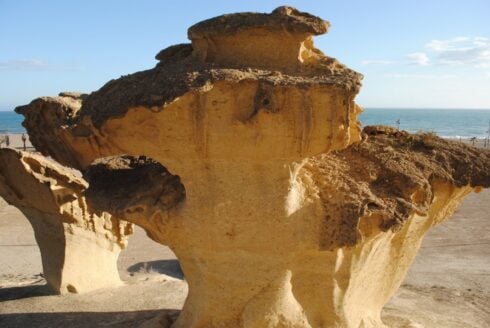
Scattered along its beaches are curious rock formations: the constant action of wind and waves has whittled them down into smooth, sinuous forms reminiscent of flowers.
So it is no wonder that, over the past twenty years, Mazarron has drawn waves of British immigrants eager to experience the Spanish way of life in such a striking setting.
In 2025, according to the INE, one neighbourhood of Mazarron was nearly 55% British – the highest figure in the entire country.
Across the whole of Mazarron, 53% of residents are foreign-born – with Brits making up 31% of the total.
British Navy veteran Billie Graham-Thomas, 57, who has lived in Mazarron with her husband since 2014, says the town has become a ‘wonderful’ blend of British and Spanish life.
“You can enjoy your afternoon tea at a quintessentially British café, and then head around the corner for dinner at a Spanish tapas bar,” she told The Olive Press.
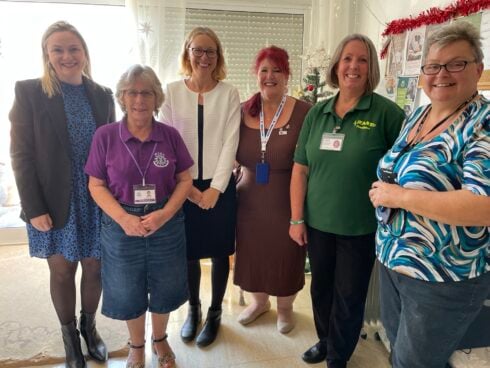
“And the community is absolutely wonderful here. This is a quiet town – but if you ever need help, people will rush to your aid, no matter who you are or where you come from,” she added.
Graham-Thomas now works at southern Spain’s branch of the British Royal Legion, a charity providing care and assistance for armed forces veterans.
Like in Partaloa or Arboleas, she says most of Mazarron’s British residents are retirees – and that many have chosen to leave in recent years.
“Life here is absolutely wonderful, but especially as they age, people often prefer to be close to their families,” she said.
Still, waves of Britons continue to arrive – and this steady flow of newcomers has left its mark on how life is lived in Mazarron.
Several amateur football teams in locally organised tournaments are named after England’s Premier League powerhouses, and a local supermarket – Food and Co. – features English-speaking staff and imports staples directly from Tesco.
If you live in Spain but miss the UK, this might just be the place for you.
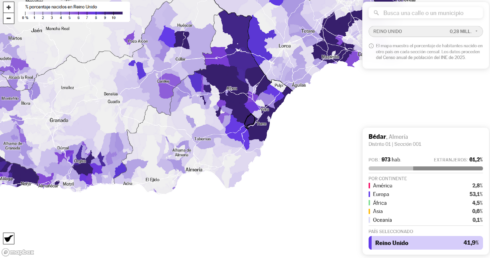
Bedar, Almeria – 42% Brits
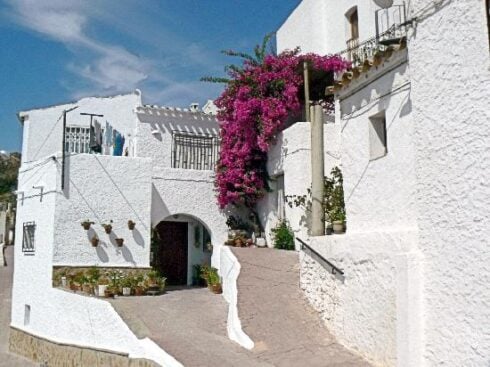
With quaint, whitewashed houses crowned by bursts of blooms and greenery, the former mining town of Bedar is carved into the hillsides of Almeria’s Sierra de los Filabres.
Bedar was yet another Andalucian town in danger of being gutted by depopulation just two decades ago, after young Spanish residents flocked en masse to the coast in search of better opportunities.
But the town experienced a resurgence after waves of immigrants, mostly Europeans, made it their home in the following years – and its winding alleyways are now brimming with life again.
Today, according to INE figures, Bedar’s population of 928 is more than 60% expats. And 42% of the total is made up of Brits, putting their numbers at around 370.
Speaking to The Olive Press, a Spanish business owner said the town was ‘basically dead’ before they arrived.
“But now it’s full of life again, thanks to all the Brits, Dutch and Belgians who have moved here,” he added.
In what appears to be a striking sign of growing integration between Brits and Spaniards, the entrepreneur said younger residents in Bedar are increasingly blending languages, often switching fluidly between English and Spanish mid-conversation.
“It’s heart-warming,” he added.
Locals report that Brits in Bedar have mainly settled in stand-alone properties lining the town’s perimeter.
While several are retirees enjoying a quiet life, residents told The Olive Press that others have started small businesses locally.
Arboleas, Almeria – 49% Brits
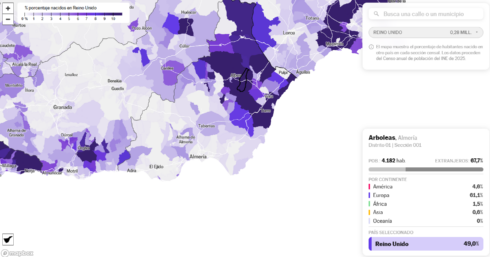
The iPaper ran a story about Arboleas in 2024, when the town had the highest percentage of British residents anywhere in Spain.
This sun-baked village of 4,000 souls on the Almanzora river, some kilometres inland from the Almeria coast, boasted a whopping 53% of registered Britons at the time – a record it has since lost after the figure dropped to 49% last year.
But with its ‘quiz nights, birdwatching, beekeeping and Church of England services’, its ‘little Britain feel’ is undeniable.
Today, Arboleas’ population is 67% immigrants, most of them from Europe. But Britain still holds firm as the top nationality, and locals report that traditional Andalucian village life now exists alongside clubs and associations run by the international community.
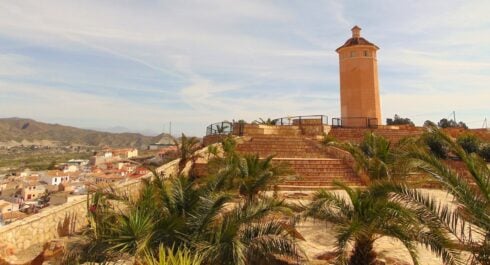
Most of Arboleas’ British residents are pensioners who have moved to the town to quietly enjoy their retirement, locals say – but that does not mean they are not striving to fit in.
Cafés and bars have become meeting points for charity initiatives and language exchanges, and expats have integrated to such an extent that Yorkshire-born Steven Conway, 51, reportedly worked as a tourism councillor for the nearby village of Albanchez in 2024.
Click here to read more Olive Press Travel News from The Olive Press.







ITs pretty easy to figure out why Brits are leaving Britain in droves, because of their suicidal empathy for foreigners and poor voting habits. Always voting for the liberal candidates. Attention Brits, when you move to Spain, keep your liberal ideas and voting habits in the country you destroyed. We don’t want your shitty liberal ways in Spain, or we’ll end up like your failed country. Stay in your pubs, get fat and drink your lives away, but stay away from the voting polls in Spain, its proven you don’t know what you’re doing. Sorry harsh, but this is the reality and your country is the proof. Going forward, follow the simple rules, NO NEW IMMIGRANTS FROM THE THIRD WORLD no matter how destitute they appear. You vote for the leader that will reduce or entirely eliminate third world immigration, GOT IT?