

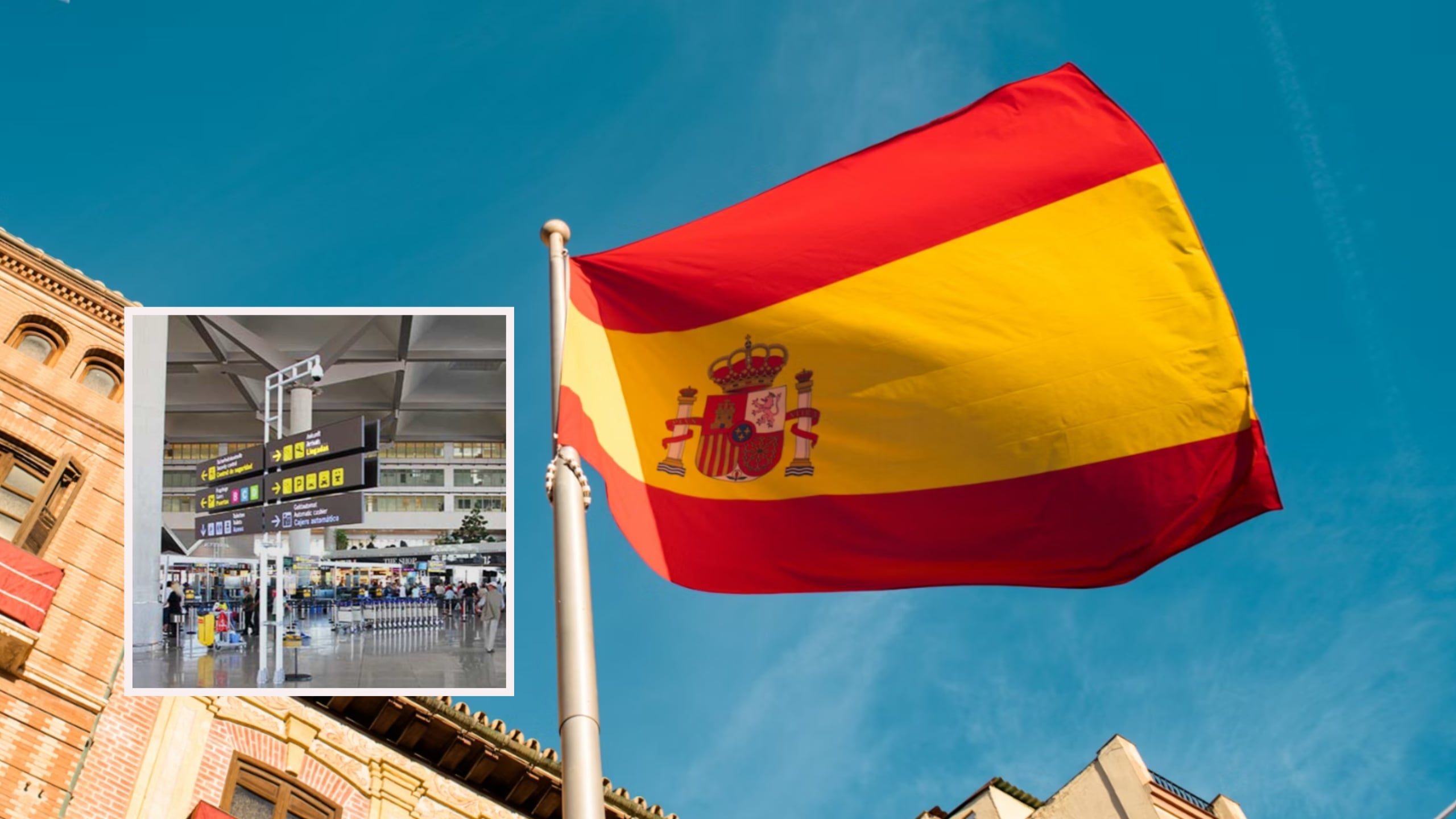
SPAIN’s foreign-born population is booming, but only 50% of migrants end up staying in the country after their move abroad.
Since 2002, Spain has seen approximately 15 million people immigrate to the country.
The numbers are so high that in 2025, around 19% of the entire population was foreign-born.
A report titled The Limits of Immigration for Demographic Adjustment in Spain found that Spain has remained the second-highest European country for immigration since the early 2000s, coming only second to Germany.
Yet despite the sheer amount of people who move here, only about half of them stick around.
A new report from Funcas, the Spanish economic think tank, analysed Spain’s ‘retention rate’ of incoming residents and found that only 51% of migrants maintain their residency, which is actually one of the lowest in all of Europe.
15 million may sound like a lot of people, but in reality the population has only increased by about 7 million people.
The high turnover rate has been attributed to several reasons, including the continuous rise in living costs and low wages.
A large portion of migrants head to Spain for jobs in the hospitality, agriculture and construction sectors, but are forced to leave after only receiving temporary contracts or seasonal employment.
The lower average wage in Spain is also hard to compete against when compared with other places around Europe.
Another issue people face when moving here is the claim that there is a lack of social ties that lead to them wanting to return to their home country, or to another EU country with better living conditions.
The growing housing costs is a major factor for migrants, as well.
In major cities like Madrid, Barcelona, Malaga, and Valencia, a lack of housing options and higher competition for reasonable rental prices can leave people scrambling for accommodation.
In cities like Marbella, tenants face the frustration of landlords forcing them to leave their flats for the entire summer, due to the claim that they must reserve the space for summer holidaygoers.
It’s been alleged that renters in the touristy town make the same amount of money in the two months of summer rent as they do for the entire year.
One Reddit user posted about these issues in an expat chat, saying that ‘sunshine and lifestyle do not fix everything.’
Issues relating to slow bureaucracy processes, a stagnant economy, and the lack of career growth in the country are all cause for pushing people out.
However, positive comments about Spain’s socialised healthcare and the general sense of everyday safety are reasons for people to stay, potentially for life.
The common myth about migration and its relation to increasing birth rates was also debunked in the study.
While many have claimed that the presence of migrants has helped a declining fertility rate in Spain, it hasn’t been enough to make an impact, with migrant birth rates dropping by 10%.
The study’s conclusion addresses that while the new immigration data ‘does not constitute a solution to Spain’s demographic imbalance,’ it instead works as a ‘temporary mechanism’ sustaining population growth.
Further, immigration shouldn’t be considered as a permanent solution but as a ‘cushioning factor.’
‘The short-termism that dominates the public debate on the benefits of immigration has prevented an analysis of the long-term consequences,’ the study states.
Stats from Spain’s Instituto Nacional de Estadistica recorded that the highest net external migration for 2025 occurred in Catalunya (129,030), followed by Madrid (113,964), and Valencia (104,776).
Click here to read more Spain News from The Olive Press.