
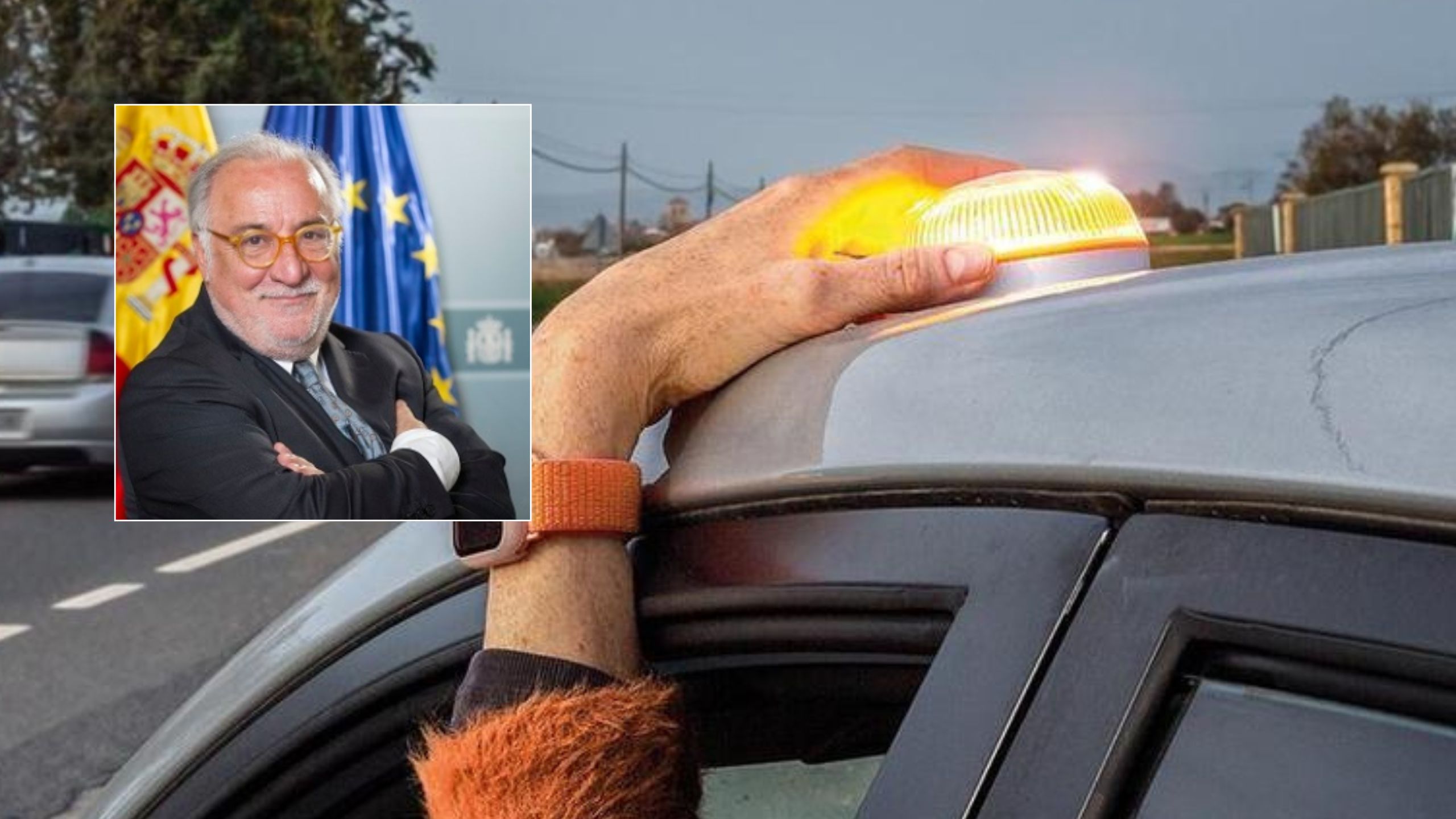
SALES of Spain’s controversial V-16 emergency beacon have reportedly stalled because of growing confusion and supposed misinformation about the new traffic device.
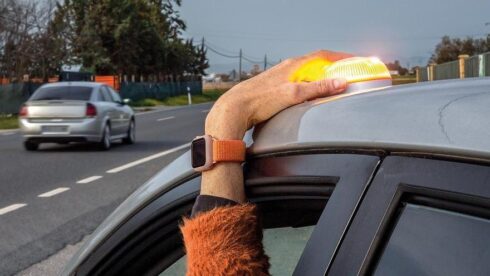
The warning light officially replaced the traditional roadside emergency triangles on January 1, becoming the mandatory system for signalling breakdowns and accidents on Spanish roads.
But months after the rule change came into force, debate over the beacon’s cost, reliability and usefulness has continued.
Even so, the DGT has maintained its commitment to expanding the use of these emergency lights.
During the Road Safety Commission on Monday, DGT chief Pere Navarro confirmed the authority would give the V-16 ‘a new boost’ before summer in an effort to increase its use and standardisation during Spain’s major holiday travel period.
Navarro described the device as ‘an important element of road safety’ and insisted the measure is ultimately about ‘saving lives’.
Every year in Spain, around 25 people are killed while trying to set up warning triangles.

He again defended the beacon over the old warning triangles, pointing out that drivers no longer need to step out onto busy roads to place them behind the vehicle.
“The triangle required leaving the car, the V-16 does not,” he said. “The triangle had no light, the V-16 does. The triangle was not connected, the V-16 is.”
The connected beacon sends the vehicle’s location directly to the DGT’s traffic management systems, allowing authorities to warn other road users more quickly about incidents ahead.
According to Navarro, the DGT receives around 2,500 reports of road incidents every day.
READ MORE: Spain approves massive €100m investment in Palma Airport to relocate air traffic control centre
Despite that, he admitted there has been ‘a certain stagnation in sales’ of the V-16 devices because ‘a certain amount of uncertainty has been created’.
Part of the confusion, he said, comes from legal challenges and misinformation online.
One company has filed a lawsuit against the mandatory use of the beacon, while some political initiatives have called for triangles and V-16 lights to be used together.
Navarro also dismissed rumours that the devices quickly expire, explaining that the beacon’s internal SIM card lasts around 11 years before needing replacement.
Click here to read more Spain News from The Olive Press.