

DOZENS of Spanish beaches, including two in Malaga province, are blighted by pollution and environmental degradation, campaigners have warned.
In its annual ‘Black Flags’ report, environmental group Ecologistas en Accion identified 48 coastal areas across Spain that it says are affected by ‘serious’ environmental problems, including in Marbella and Nerja.
Based on a survey of more than 8,000km of Spanish coastline, the report aims to highlight environmental issues and combat the impacts of climate change, according to the organisation.
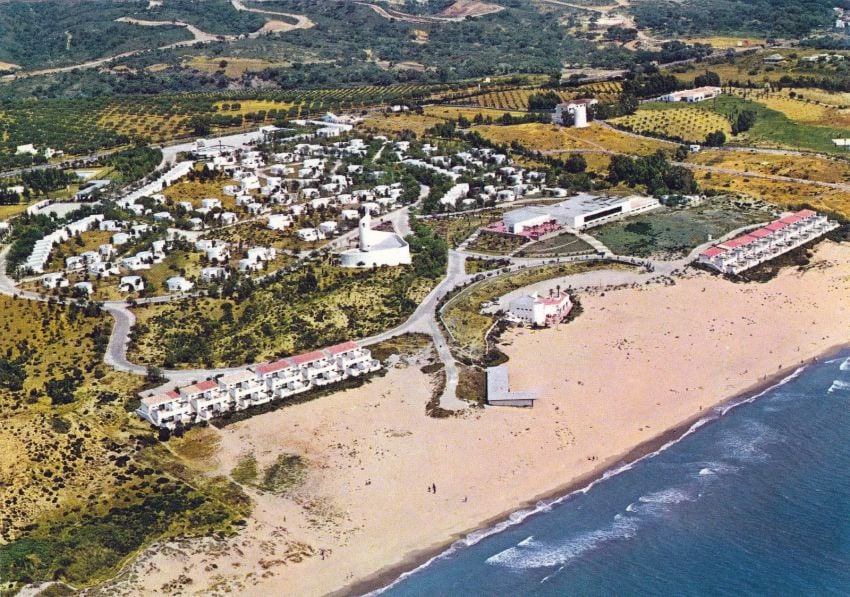
In Marbella, Ecologistas awarded a Black Flag for what it describes as environmental mismanagement at the ‘Residencia de Tiempo Libre,’ a former holiday resort in the town’s east.

The group says the complex, built in the 1960s, was constructed on an important dune ridge that has since disappeared as a result of extensive hotel and residential development along the coastline.
Although the resort closed in 2023, the Junta de Andalucia and Marbella Town Hall approved a public tender in January for a new hotel development on the site.
Ecologistas opposes the project, arguing that it would eliminate any remaining opportunity to partially restore the lost dune system.
The report also includes restoration recommendations for Marbella, claiming decades of intensive tourism development have caused the irreversible loss of ecologically valuable habitats and calling for the partial recovery of the coastal environment.
In Nerja, the group accuses businesses near Playa del Maro of discharging wastewater into the sea despite the municipality having a wastewater collection and treatment network.
It specifically names Camping Nerja Villa del Mar and the Chiringuito Playa del Mar beach bar, alleging that wastewater from the properties flows directly into the Mediterranean, posing risks to both public health and the environment.
Of the 48 Black Flags awarded nationwide, 10 are located in Andalucia.
Other sites highlighted in the report include Algeciras Bay in Cadiz province, Almuñecar in Granada and Isla Cristina in Huelva.
Click here to read more Environment News from The Olive Press.








the black flag environmental beach awards do NOT include Almuñécar as stated in your report! Please correct this damage to the reputation of this town.
Actually checking this Almunecar is very much damned with a black flag.
See below:
COMUNIDAD
Andalucía
PROVINCIA
Granada
TERRITORIO
Municipio de Almuñécar, Playa de los Berengueles, Punta de la Mona
TIPO
Mala gestión