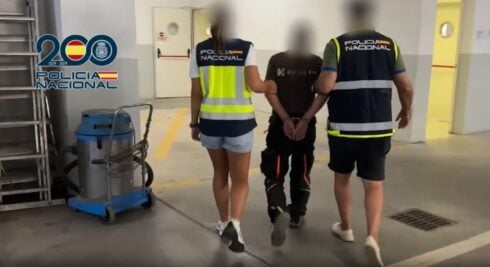
FOUR people have been arrested in the Murcia town of Totana after allegedly trying to broker the illegal adoption of a two-year-old girl — with one couple reportedly handing over €20,000 in cash to secure her.
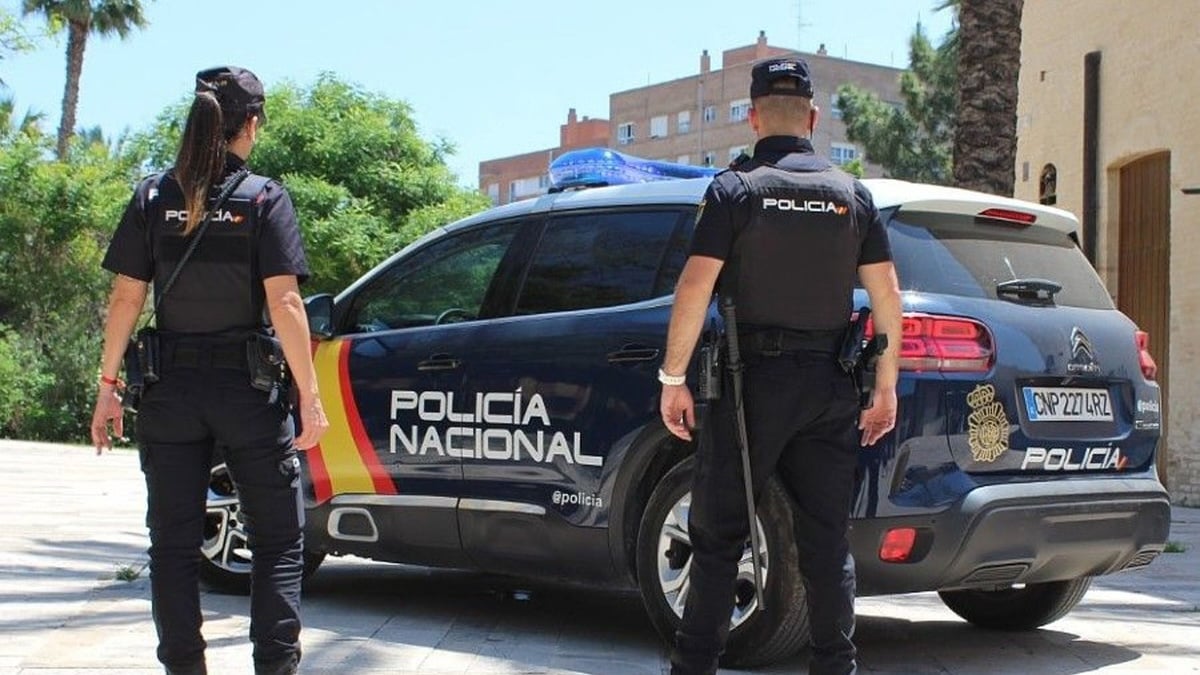
Spain’s National Police swooped on two couples: the toddler’s biological parents, aged 26 and 41, and the pair allegedly trying to ‘buy’ her, aged 51 and 42.
All four have been released pending charges of illegal adoption, fraud and identity theft.
READ MORE: Spain’s festival season calendar: Holy Weeks in Murcia and Albacete are standouts
Investigators say the scheme first came to light a month ago, when social workers in Totana flagged concerns to police after spotting irregularities between the two families.
What started as monthly payments to the biological parents soon turned into weekly instalments, according to police, with the hopeful adoptive couple also covering the child’s day-to-day living costs and what they believed were legitimate legal fees.
Investigators allege the biological parents strung the other couple along with an elaborate cover story — claiming a specialist lawyer was handling the paperwork, and that a nursery director would vouch for the process being legal.

Detectives say the pair even received fake phone calls designed to make the whole arrangement look above board.
The case is a reminder of how closely Spain’s child protection system tracks vulnerable families: Murcia’s regional authorities confirmed they had been monitoring the girl’s situation ever since her birth in 2024, running repeated welfare checks before police were called in.
Once the risk to the child became clear, officers moved fast, arresting all four suspects in a coordinated operation with Murcia’s child protection services.
The toddler has since been placed with a local foster family — known in Spain as a familia canguro, or ‘kangaroo family’ — rather than in an institutional care home.
To become a foster carer in the region, applicants must be a couple or single parent aged 25 to 55, hold down a job that allows them to volunteer for the programme, and pass a training and evaluation process before being approved.
It comes as Spanish authorities continue to crack down on informal adoption arrangements that bypass the country’s strict legal adoption process, which typically involves lengthy waiting lists, home visits and psychological assessments, prompting some desperate would-be parents to seek shortcuts outside the system.
Click here to read more Murcia News from The Olive Press.