

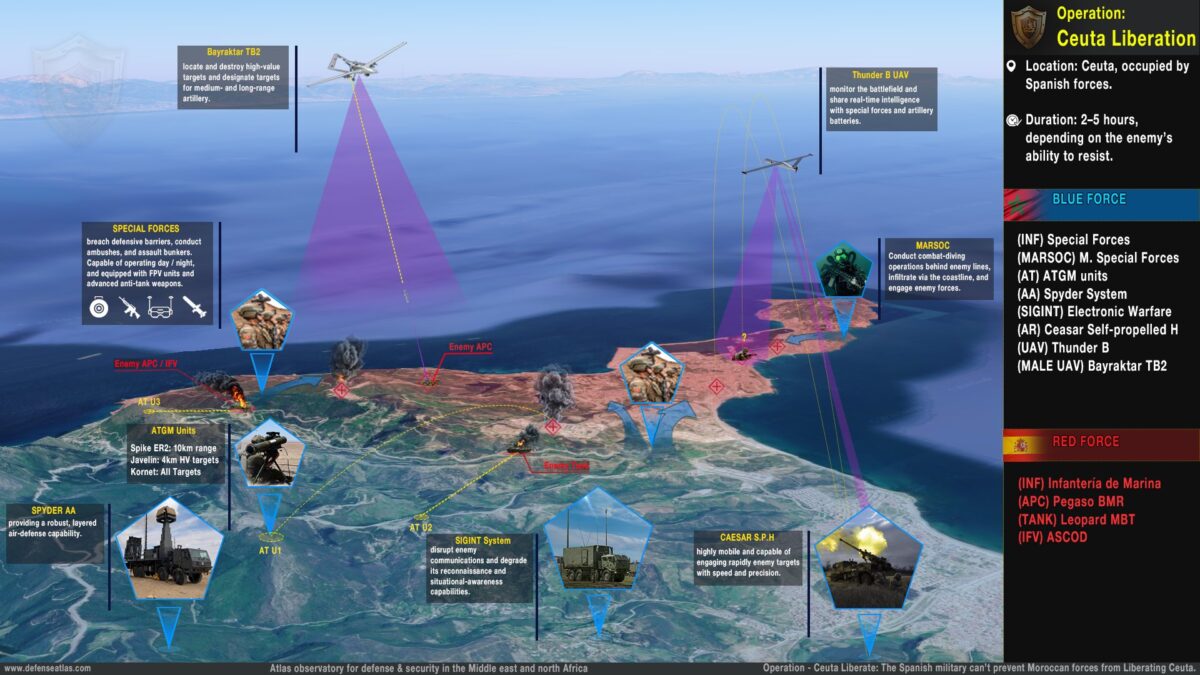
A MOROCCAN propaganda platform has published a detailed scenario to conquer the Spanish city of Ceuta in under five hours using drones, special forces and electronic warfare.
The plan, titled Ceuta Liberation, was published this week by an outlet called Defense Atlas, which describes itself as an ‘Atlantic Observatory for Defence and Armament’ and runs a website, forum, magazine and radio station.
It claims Moroccan forces could seize the city in ‘two to five hours’, using Bayraktar TB2 drones to knock out high-value targets before special forces breach the border defences and storm the city, backed by anti-tank missiles, self-propelled artillery and air defence systems.
The plan, which depicts Spanish forces in red and Moroccan in blue, shows mobile ATGM units wielding American-made Javelin launchers firing from the hills, while Caesar self-propelled howitzers bombard Spain’s defences on the peninsula.
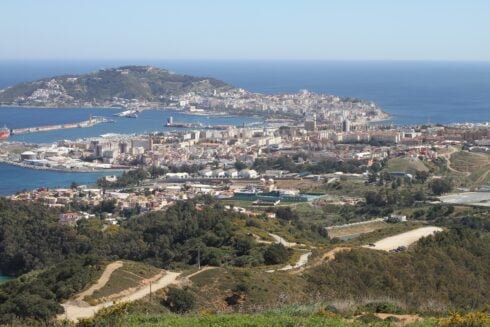
The actual invasion would be carried out not by waves of infantry but surgical strikes from Morocco’s special forces, who would ‘breach defensive barriers, conduct ambushes and assault bunkers’.
Defence Atlas wrote: “Military estimates and initial security analyses indicate that the Spanish army will not be able to stop any Moroccan military move toward the occupied cities.
“The Moroccan army is capable of rapid deployment inside Ceuta in a sudden, swift, and overwhelming manner, and will use for that purpose advanced capabilities in electronic warfare and effective search and engagement tactics against enemy forces, along with implementing field plans to protect civilians.”
While Defense Atlas has no confirmed link to Morocco’s Royal Armed Forces, and nothing about the plan is known to reflect official military planning, its publication coincides with an alarming ramping up of rhetoric from Moroccan officials.
READ MORE: Spain to transfer 500 migrant girls from Ceuta to mainland amid welfare concerns
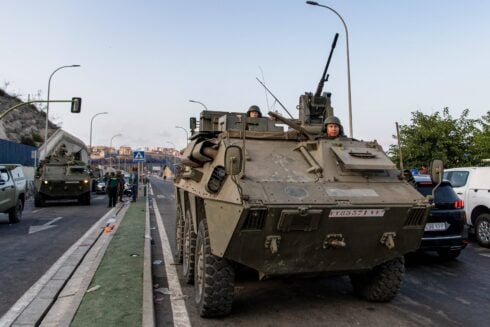
Ministers talk of ‘liberation’
The plan lands the same week two of King Mohamed VI’s own ministers revived Morocco’s historic claims to Ceuta.
Justice Minister Abdellatif Ouahbi told Moroccan state television on August 21 that Ceuta and Melilla should ‘return to the bosom of the homeland’, describing Morocco’s position as a ‘historic and geographic right’ and calling for a joint commission to negotiate the cities’ future.
Religious Affairs Minister Ahmed Toufiq went further into coded territory four days later, addressing King Mohamed VI at the Eid Al Mawlid ceremony marking the Prophet Mohammed’s birth.
Toufiq praised two Islamic scholars born in Ceuta centuries ago, then separately hailed a historical figure, Al-Jazuli, as a symbol of the ‘liberation of the occupied cities’ – a reference to Atlantic ports Morocco retook from Portugal in the 15th and 16th centuries, not to Ceuta itself.
But analysts covering the same address interpreted the pairing as no accident, delivered as it was before the king on one of Morocco’s most solemn religious occasions.
READ MORE: Morocco makes 111 arrests after second mass Ceuta migrant crossing attempt falls flat
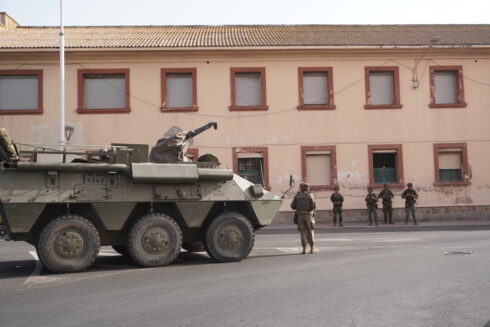
Madrid’s response
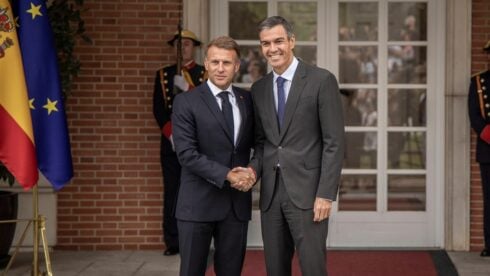
Spain’s government has rejected the claims outright, with Foreign Ministry sources telling reporters that ‘the Spanishness of Ceuta and Melilla is beyond any doubt’.
Defence Minister Margarita Robles was blunter still on a visit to Ceuta, insisting the city and Melilla ‘are not to be touched’ and are ‘thoroughly Spanish’, even as Interior Minister Fernando Grande-Marlaska has continued to praise Rabat’s cooperation on returning migrants.
READ MORE: Morocco militarises border with Ceuta amid growing fears of new mass crossing on August 15
An election-year drumbeat
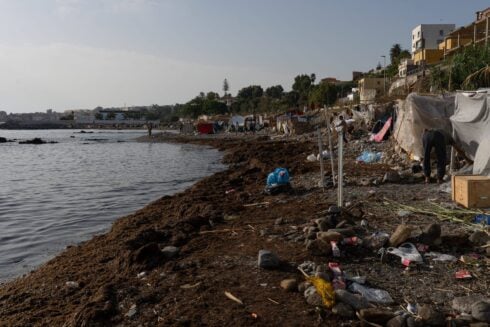
The propaganda and the ministerial rhetoric both follow the mass crossing of migrants into Ceuta on July 30, an event that has fuelled Moroccan commentary questioning Spain’s ability to hold the city.
Both arrive weeks before Morocco’s parliamentary election on September 23, a vote Rabat’s governing coalition has fought partly on the promise of pressing exactly this claim.
Morocco heads to the polls with the rhetoric still climbing.
Click here to read more International Affairs News from The Olive Press.






The Spanish double standards. What about Gibraltar in this context? Demanding one and decrying attempts at rightful sovereignty in the two colonial outposts.