

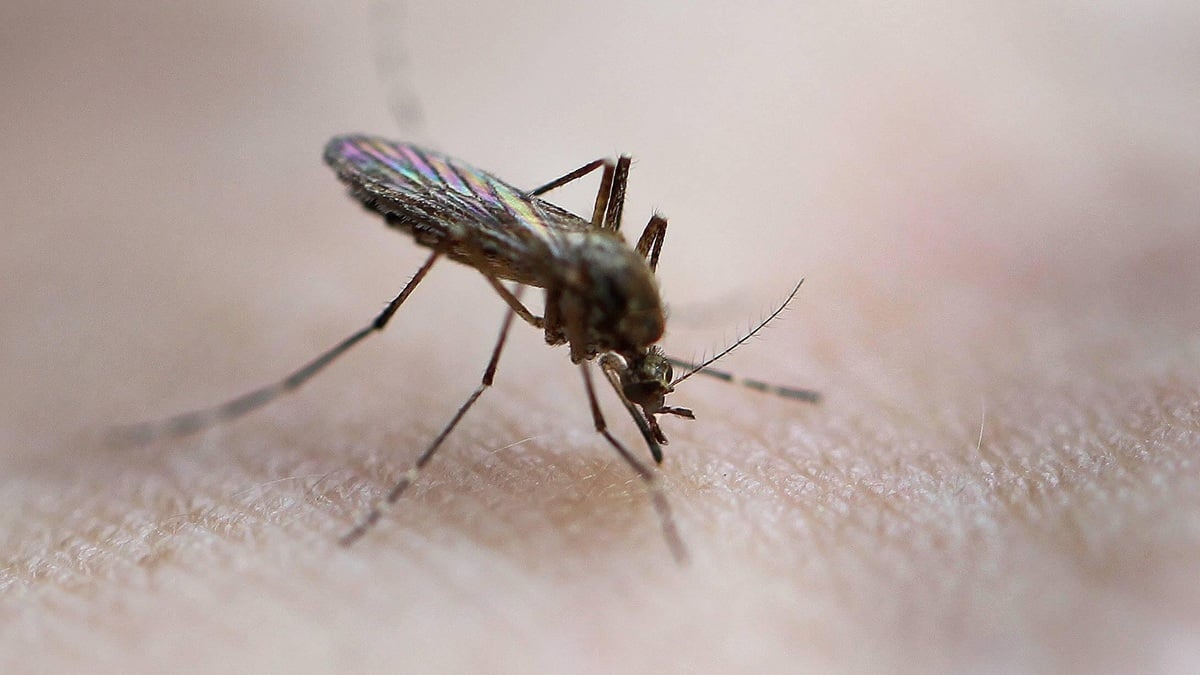
A HEALTH alert over a potentially deadly mosquito-borne virus has been lifted across the Costa del Sol after officials detected no infections despite weeks of surveillance.
Andalucia’s health ministry made the decision on Monday after Fuengirola and Mijas, in Malaga province, were initially placed on alert for a West Nile virus outbreak on July 26.
The move comes despite the virus continuing to spread elsewhere in Andalucia, with 52 human infections now reported across Huelva and Sevilla provinces.
READ MORE: Costa del Sol remains on alert for West Nile Virus as cases in Andalucia climb to 43
An 82-year-old man tragically died from the virus in the Sevilla area on July 27, while 19 others have been hospitalised across the two provinces since the outbreak began.
Huévar del Aljarafe became the 13th municipality in Sevilla province to be placed under alert after nine human cases of West Nile virus were detected.
Together with Hinojos in Huelva province, 14 municipalities across Andalucia have now recorded human infections – although none have been reported in Malaga province.
Spanish outlet Area Costa del Sol reported that 515 people have so far undergone laboratory tests to rule out possible West Nile virus infection.
Andalucian authorities have been battling the outbreak by stepping up mosquito-control measures, launching public awareness campaigns and providing information through pharmacies and health centres.
Residents of affected areas are advised to:
- Use registered mosquito repellents
- Wear light-coloured clothing that covers the body
- Avoid strong perfumes and scents
- Install mosquito nets
- Use household insecticides or environmental repellents
- Turn off unnecessary lights, which can attract mosquitoes
Authorities are also recommending residents to remove any stagnant water from gardens, plant pots, buckets, toys and other containers, as they are breeding grounds for mosquitos.
West Nile virus mainly spreads to people through the bites of mosquitoes, which typically become infected after feeding on birds carrying the virus.
Most people develop no symptoms or only a mild flu-like illness, but a small proportion develop serious neurological conditions such as encephalitis or meningitis, which can be deadly.
There is no specific treatment or vaccine for West Nile virus in humans, with most cases resolving on their own.
Severe infections, however, require hospital treatment to manage symptoms and complications.
The disease does not normally spread from person to person.
Click here to read more Costa Del Sol News from The Olive Press.