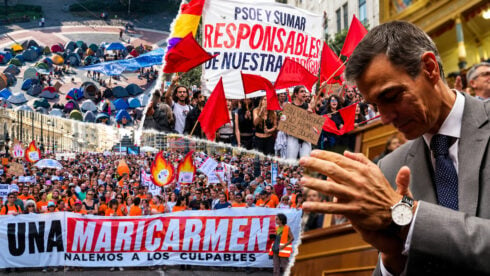
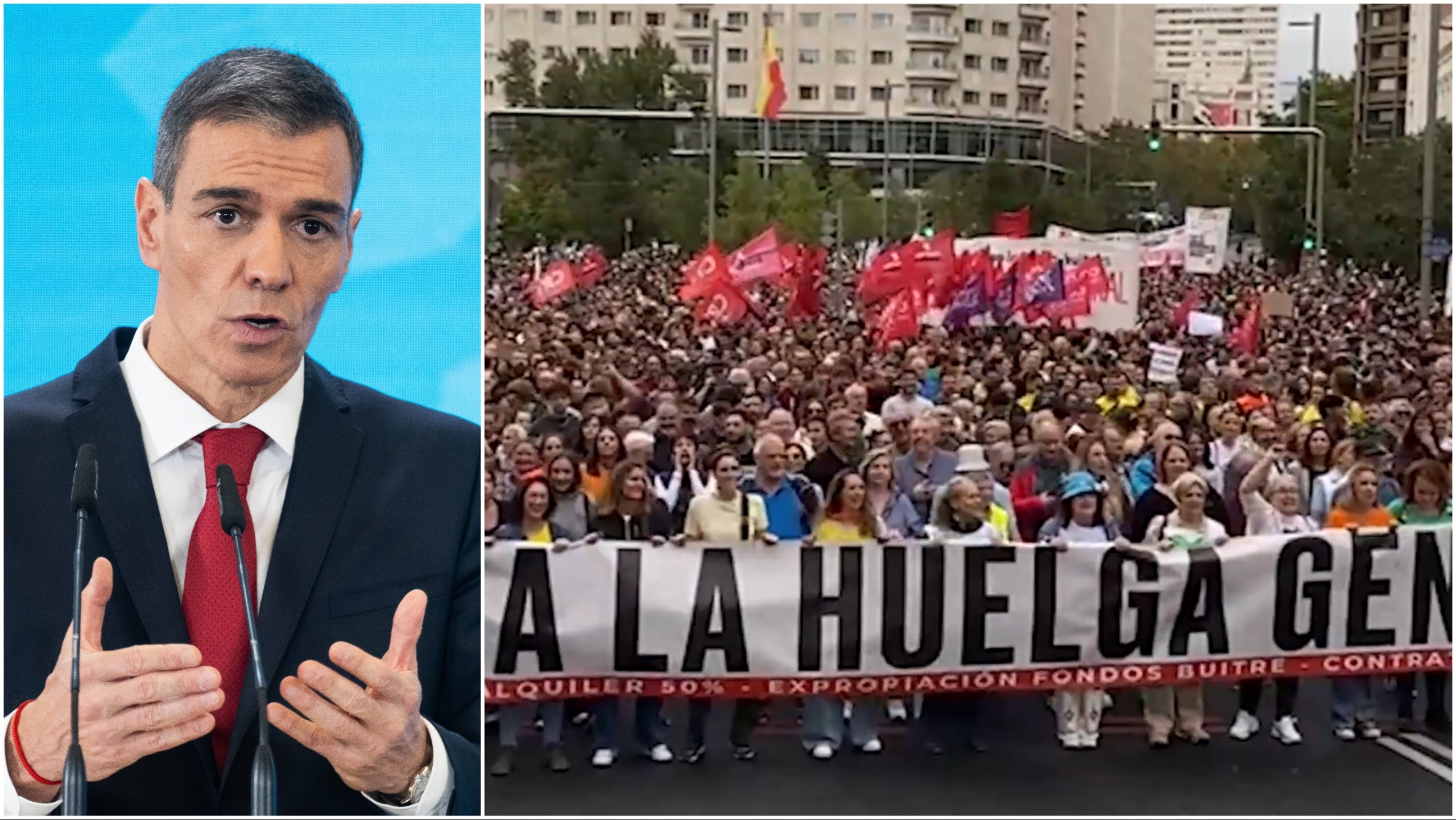
TENS of thousands of protesters flooded the streets of Madrid on Saturday to demand a solution to Spain’s housing crisis after Pedro Sanchez’s flagship emergency reforms were voted down in Congress.
Four columns of demonstrators set off from different points across the capital at midday, converging on the Plaza de Cibeles under the banner ‘Hacia la huelga general’ (‘Towards the general strike’).
The government’s official count put attendance at 70,000, but the Tenants’ Union, which organised the demonstration, claimed as many as 500,000 had taken to the streets of Madrid alone.
Around 50 cities across Spain held simultaneous demonstrations calling for a general strike, with thousands marching in Valencia, Bilbao and the Canary Islands.
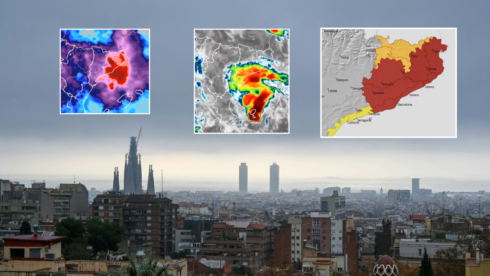
A protest planned for Barcelona was postponed until Monday as the city braces for the arrival of a catastrophic ‘mini-hurricane’, prompting state weather agency Aemet to issue a rare red ‘danger to life’ alert.
In Valencia, protests turned violent after a small group of troublemakers broke through police lines and stormed the Palau de les Arts, where the Real Estate Summit 2026 investment conference was being held.
Five people were arrested and nine police officers were injured in the chaos.
The protests came a day after prime minister Sanchez was dealt a hefty blow in parliament after the opposition voted down two emergency housing decrees designed to quell public anger after the high-profile eviction case of 87-year-old Maricarmen Abascal.
178 MPs from the right-wing Partido Popular (PP), Vox and Junts voted down the first of the two decrees making up the reform, while 172 MPs voted in favour.
The second decree was voted down by 184 MPs, including lawmakers from the PNV and Coalicion Canaria, while 166 voted in favour.
If passed, the reforms would have put a halt to tenant evictions, enforced mandatory extensions on residential rental contracts and introduced a swathe of restrictions on so-called ‘vulture funds’.
According to reports, Sanchez spent hours locked in discussions with cabinet ministers on Friday morning discussing the possibility of calling a snap election.
READ MORE: Spanish politics explained: Which of Spain’s five major political parties would win a snap election?
Senior figures within the PSOE are reportedly pushing Sanchez to call an early election to capitalise on public outrage over housing.
If Sanchez chooses to dissolve parliament, the earliest available date for Spaniards to head to the polls is Sunday, November 20.
To meet that constitutional deadline, the prime minister would have to make a formal announcement by Tuesday.
Party strategists believe an autumn election campaign would allow the government to put the right-wing opposition block of the PP and Vox on the back foot by framing the contest around tenants’ rights.
Deputy prime minister Yolanda Diaz said future evictions ‘will carry the names of [Alberto Nunez] Feijoo, [Santiago] Abascal and [Miriam] Nogueras’, the leaders of the PP, Vox and Junts respectively.
Housing minister Pablo Bustinduy, meanwhile, warned the next general election would become a ‘referendum on housing’.
READ MORE: Pedro Sanchez calls corruption cases against wife and brother ‘nasty politics which crosses a line’
Other ministers are urging caution, arguing the coalition should wait until March to give embattled junior coalition partner Sumar time to restructure and choose a candidate.
Sanchez’s inner circle reportedly views a snap election before the end of the year as a 99 per cent certainty, despite his previous public pledges to serve out the full mandate until 2027.
A final decision is expected over the weekend, with an announcement at a party executive meeting on Monday.
Click here to read more Spain News from The Olive Press.