
JULIUS Caesar came for the smelly sulphur springs, flamenco legend Camaron de la Isla for the tranquility, while tourists today come for its rich and varied beaches, emblematic marina and cosmopolitan vibe.
Brand Manilva may not have the instant recognition of its brasher Costa cousins but like its locally-grown sweet wine – now being given a Michelin star boost by Basque chef Martin Berasategui – the town is definitely improving with age.
“There is nowhere quite like Manilva,” explains proud expat councillor Dean Tyler Shelton, who has lived in the town since he was a boy.
“We share a fantastic and unique micro climate nestled between the Sierra Bermeja mountains and the Straits of Gibraltar, there is a great mix of locals and tourists and there are excellent views of the north African coastline, including Ceuta.
“In fact, most of the time you feel that you could almost reach out and physically touch three countries and two continents from anywhere you are standing”
 Manilva’s first port of call is San Luis de Sabinillas, a tourist resort that keeps growing and growing in popularity.
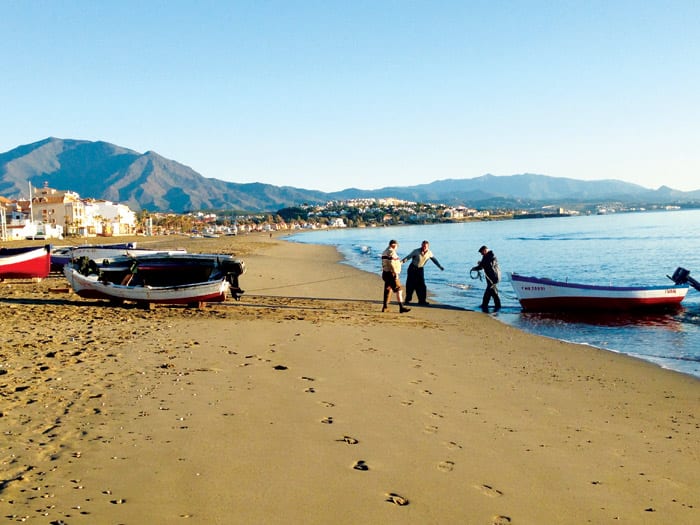
‘Sabi’, as it is affectionately known by locals, has boomed over the past few decades from its humble beginnings as a small fishing village with literally fishermen’s shacks on the beach.
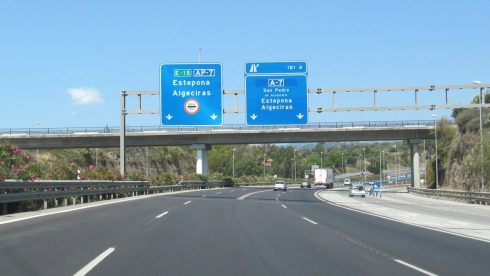
This jumble of buildings huddled along a narrow strip of the A7 motorway is home to a thriving expat community.
In fact, the European Union flag fluttering at the entrance to the close-knit town of 6,000 is a fitting symbol of Sabi’s multinational appeal, with Moroccans, English, German and Spanish among the easy blend of nationalities living in harmony here.
Street signs in English underline Sabinillas’ undeniably British feel while in bars expats gather to while away the evenings.
But Sabinillas’ healthy foreign contingent is far from the stereotyped insularity of some expat communities which hermetically seal themselves off from their Spanish neighbours. Organisations like the Duquesa Society of Saint George, whose charity shops are based in Sabi, have helped foster strong ties between foreign and Spanish residents. The Boxing Day swim, held to raise money for an operation to save a Manilva teenager’s hand, is another example of their community spirit and heroic altruism.
Karen Langridge has lived in Sabi for nearly eight years. For four of them she has run La Boutique on Avenida de Espana.
“It’s such a diverse town, a real hidden gem on the Costa Del Sol. Everyone supports everyone, if anyone has an opening of a new business, for example,” said Karen.
“The beach is stunning and you have a nice blend of the old and the up-and-coming. I have seen Sabinillas change a lot over the years. It’s now more cosmopolitan and elegant.”
Sabi’s scintillating events calendar has also been helping to raise its public profile. The Sunday flea market has quickly gained a reputation as one of the best on the Costa del Sol.
Every August, thousands of revellers descend for Manilva’s Full Moon Party. Inspired by the legendary beach parties of Thailand’s Koh Pha Ngan island, this family-oriented event features Chinese lanterns soaring skyward over the sea.
Those same Mediterranean waters have sustained Sabinillas over decades. Fishing is still the village’s lifeblood, and the vast monument on the promenade honours those local men who have risked their lives at sea. A mosaic on Avenida Manilva also pays colourful tribute to this vital industry.
Meanwhile, sun worshippers and bathers can enjoy the Blue Flag beach which fans out invitingly.
 Strolling past the restaurants that line the promenade’s wide expanse, you eventually arrive at bustling Puerto de la Duquesa, where the vessels are primarily geared towards leisure.
Ranks of sleek yachts bob in the harbour, enclosed on three sides by dazzling white buildings.
Famed for its nightlife, Puerto de la Duquesa is also home to well-known bars like Hemingway’s and Leisure Lounge, which has one of the biggest screens to watch sports on the Costa del Sol. Restaurants paying court to a cornucopia of cuisines offer everything from a traditional British carvery to Asian fare and Spanish staples. The best, including Parapiros and Il Capitano, have been plying their trade for over three decades.

Walking down the next long curl of beach, you arrive at the impressive Castillo de la Duquesa. This hardy fortress has faced the Mediterranean since 1767, when King Carlos III ordered Francisco Paulino to strengthen the coast’s defences. Once home to the king’s cavalry, it now houses travelling museums. Visitors can amble freely around its well-preserved rooms and ramparts.
In Roman times, Duquesa was famed for its production of garum, a foul-smelling sauce made from anchovies that was hugely popular and exported back to Italy by the tonne (British chemo-chef Heston Blumenthal recently tried his hand at this Manilva speciality).
Plentiful traces of the area’s Roman roots are still to be found. Excavation work in 1989 uncovered a bath house site near Plaza de los Banos Romano, and a Roman necropolis lies just north of Castillo de la Duquesa.
However one of the most impressive Roman sites in Spain lies away from the coast in the hills below Manilva village, on the border of Casares.
 The Roman sulphur baths of Hedionda tempted no greater personage than Julius Caesar to take a restorative dip and why the town got its name Casares.
Today, visitors can still wade into the same waters as Rome’s most revered emperor. The sulphur springs gushing from the valley’s limestone outcrop have strong medicinal properties. And although the underground baths aren’t the most fragrant experience, the cloudy blue pools and arched brickwork offer a fascinating step back in time. In summer, families frolic in the waters or under the shade of eucalyptus trees. For a primal DIY mud pack, simply grab yourself a handful of clay from the surrounding walls and smear it all over!

And let’s not forget Manilva village itself, a sleepy little idyll perched high above the hustle and bustle of costa below. Its whitewashed buildings are framed with a neat mustard-yellow trim and capped with terracotta tiles, a picture-perfect Andalucian image in a town that remains truly Spanish.
Behind this unpretentious facade, Manilva has another less immediately obvious claim to fame: a thriving wine industry.
If fishing lies at the heart of Sabinillas, wine is the soul of Manilva.
The surrounding vineyards harvest the Moscatel grapes that produce sweet wines, with a young wine called mosto highly prized.
 The Nilva white table wine is another local speciality (beer lovers, fret not: local brewery Gran De Select makes some of the finest ales on the Costa Del Sol). In September, the town’s sought-after juicy Malaga raisins are plucked and set out to dry.
The Plaza de la Vendimia (Wine Harvest Square) boasts a lovingly-recreated mosaic depicting grape pickers at work (all except one character, portrayed enjoying a sneaky smoke, adding a humorous touch of realism).
On the first weekend in September, the square becomes the focal point for the town’s annual harvest festival. Held since the 1960s, Manilva buzzes into life as visitors pour in to celebrate the area’s most famous export.
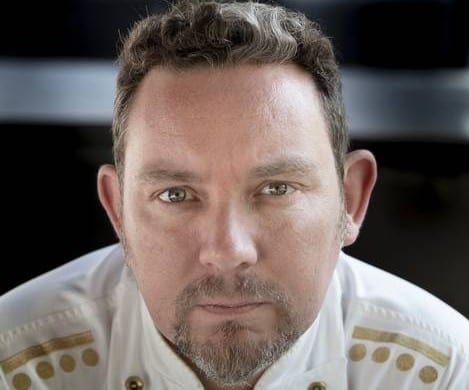
The opening of the Manilva Wine Centre in 2010 further cemented the town’s links with viticulture and offers courses in winemaking. But with 70% of Manilva’s vineyards lost to construction in recent years (see article on PAGE ?), a new drive to promote the area’s wine industry has received the backing of Michelin-star chef Martin Berasategui.
Manilva has a strong sense of its own history. Old photographs offering snapshots of times gone are proudly displayed outside the town hall and in Plaza de la Vendimia, while a sign reminds visitors of the civic motto. ‘Manilva: Very noble and very loyal’. It honours the town’s resistance during the Napoleonic wars, when Manilva was one of the few villages not occupied by the emperor’s marauding troops.
Gazing out from the Pedreta mirador towards the rolling green hills embracing the neighbouring white pueblo of Casares, you can see why Manilva’s town folk were so protective of this strategic vantage point with its incredible coastal views.
Meandering back through town, St Anne’s church stands like a sentinel to the town’s past, present and future. Worshippers have been flocking through its doors since 1776. Next door is the final stop for many of the locals who have spent their whole lives here – the traditional Spanish cemetery whose row upon row of whitewashed niches bloom with fresh flowers left by caring relatives. Even in death, the Spanish instinct to remain close to one another endures.
Today expats have been welcomed into the mix and this easy blend of nationalities is a huge part of Manilva’s appeal.
Anyone seeking an authentic taste of Andalucia’s laidback charm will find Manilva has it in spades.
Click here to read more News from The Olive Press.