
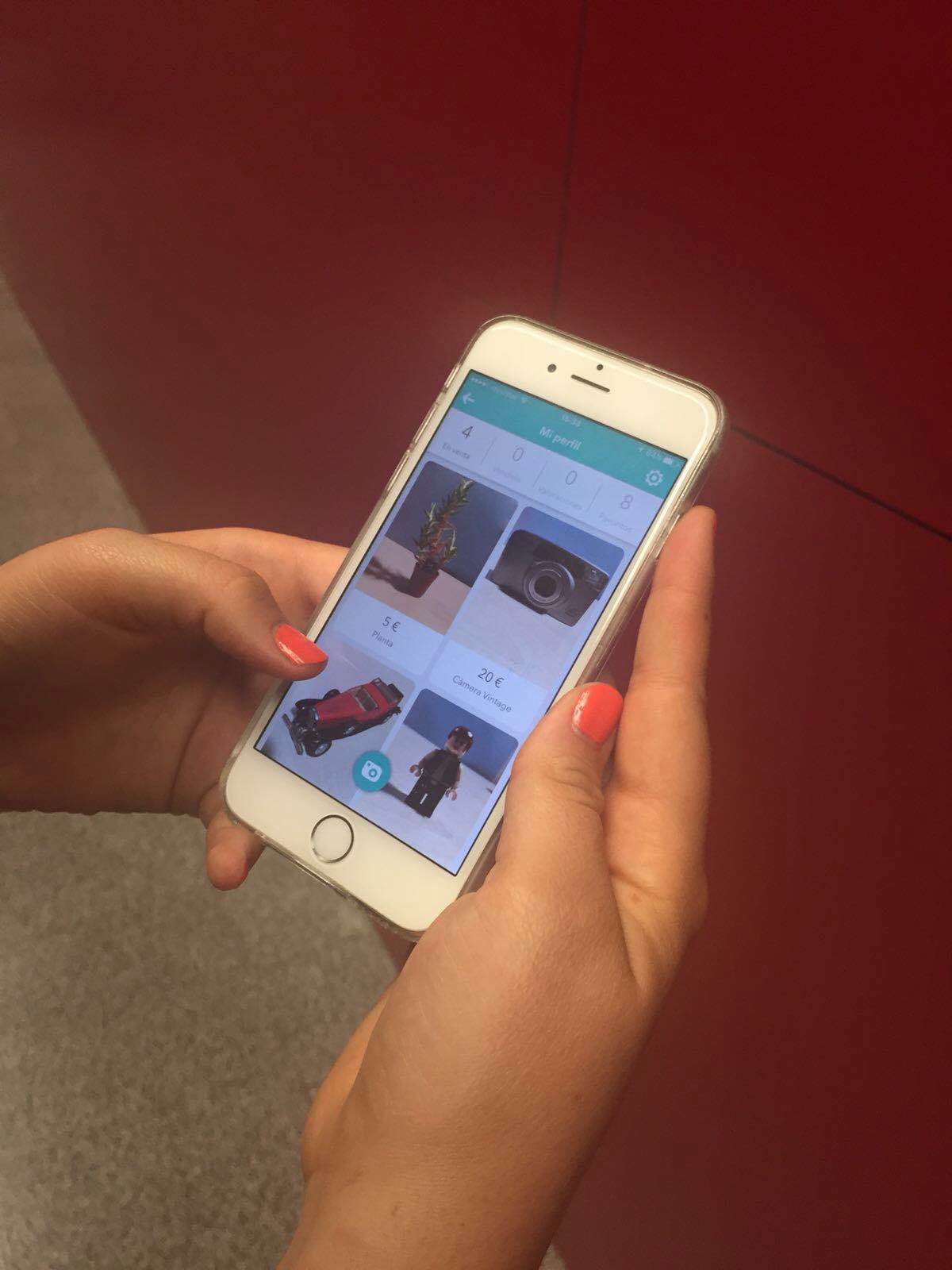
IF you’ve ever bought a secondhand bike in Barcelona, offloaded a blender in Bilbao, or picked up vintage Levi’s in Valencia – chances are you’ve used Wallapop, Spain’s online marketplace that’s basically a digital car boot sale with the soul of a local bartering plaza.
Well, things just got serious.
South Korean internet titan Naver has announced it’s acquiring 100% of Wallapop in a mega deal worth over €400million.
Naver previously owned about 30% of the Spanish startup, but now it’s taking full control – and turning heads while doing it.
So, what is Wallapop, exactly?
Think of it as Spain’s answer to Craigslist, Gumtree, and Facebook Marketplace rolled into one – but smarter, faster, and more local. Born in Barcelona in 2013, Wallapop hit the market just as Spain was climbing out of the economic crisis. People were looking to buy and sell secondhand everything — not just to save money, but to make some too.
Fast forward to 2025, and Wallapop is a secondhand superstar with over 19 million monthly active users. That’s the equivalent of nearly half the population of Spain scrolling, uploading, haggling and arranging parking lot meetups for everything from old IKEA shelves and smartphones to motorbikes and baby prams.
READ MORE:
- EXPLAINER: How will Trump’s controversial new EU trade deal impact Spain’s economy?
- Spain’s banks enjoy nearly 12% rise in profits during first six months of 2025
- Spain’s unemployment hits 18-year low, but job growth slows in July
It’s as much a lifestyle app as it is a marketplace. Selling your clutter? There’s a buyer down the street. Need a last-minute coffee machine? Someone in your neighbourhood is probably listing one right now. Wallapop thrives on hyperlocal commerce — the idea that buying used should be as easy as ordering pizza (and sometimes faster).
And now it’s going global. Wallapop has been quietly expanding into Italy and Portugal, bringing its “circular economy with a Mediterranean twist” to new audiences — and clearly catching the attention of Naver.
Why does Naver want it?
Because secondhand is no longer second-best – it’s big business. And Naver, a massive digital player in Korea with fingers in everything from AI to e-commerce, sees Europe as the next frontier in social commerce – where buying, selling, chatting, and scrolling all blend together.
You might know Naver from its earlier headline-grabbing acquisition: Poshmark, the U.S. resale fashion app, and Soda, a Japanese social commerce startup. Now with Wallapop under its wing, Naver is building a global resale empire – and Europe is the crown jewel.
“We plan to integrate our technology and business experience into Wallapop to help the Spanish firm take the next step forward,” said Naver CEO Choi Soo-yeon, sounding like a proud new parent at graduation.
So, what does this mean for your aunt in Alicante selling antique teapots on Wallapop? Or for that student in Seville flipping sneakers on the side?
In the short term: probably not much. Wallapop will still look and feel the same – at least for now. But behind the scenes, it could be gearing up for a major glow-up: better tech, slicker features, and possibly even broader reach across Europe.
The bottom line?
What started as a modest app helping Spaniards clean out their closets is now part of a multinational tech giant’s masterplan. But at its heart, Wallapop remains very Spanish – chatty, local, a bit chaotic, and full of treasure if you know where to look.
As secondhand becomes first choice for Gen Z, eco-conscious millennials, and bargain-loving boomers alike, Wallapop – now powered by Korean innovation – may just become Europe’s ultimate flea market of the future.
Click here to read more Business & Finance News from The Olive Press.