

BENIGN Prostatic Hyperplasia (BPH) is one of the most common pathologies in adult men. It involves a natural growth of the prostate gland which, while not cancerous, can cause significant discomfort during urination.
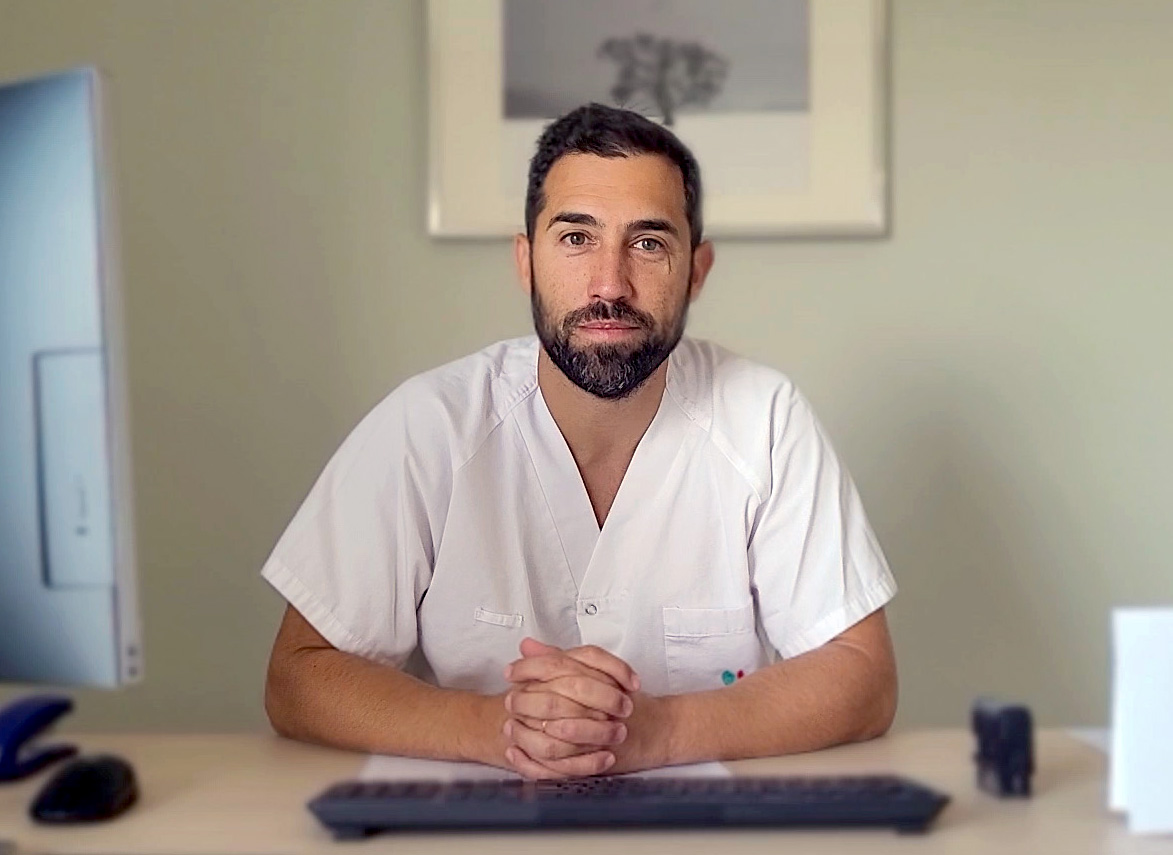
Dr. Pablo Navarro Vílchez, Head of the Urology Service at Hospital Quirónsalud Marbella, explains that “benign prostatic hyperplasia is the natural enlargement of the prostate that occurs with age. It usually appears after the age of 50, although some men notice the first symptoms earlier.” The main warning signs include difficulty starting urination, a weak stream, or the need to wake up several times at night. The specialist advises consulting a urologist if these symptoms appear.
The condition is highly prevalent, with ‘one in two men over 50 suffering from it, and almost nine out of 10 by age 80,” notes Dr. Navarro, who attributes this to ‘the hormonal changes of aging, which cause the prostate to continue growing slowly over the years’.
Diagnosis is straightforward and non-invasive. “Today, a clinical interview, a urine and blood test with PSA, a digital rectal exam to assess the prostate, and, if necessary, an ultrasound or a flowmetry to measure the strength of the stream are sufficient,” he explains. Although BPH symptoms can resemble those of prostate cancer, the specialist clarifies that ‘hyperplasia results in a large but soft prostate, whereas cancer feels harder or irregular. If there are doubts, a resonance or a biopsy is performed’.
From Medication to Surgery
In initial stages, treatment is usually pharmacological, but “when medication does not alleviate symptoms or complications arise, such as difficulty urinating, repeated infections, or kidney damage, surgery is considered,” Dr. Navarro indicates. The goal is always to improve the patient’s quality of life and prevent the progression of the disease.
The Rise of Minimally Invasive Techniques
In recent years, prostate surgery has seen a decisive technological leap. “Today we have very advanced and safe techniques, such as the Holmium laser or the Greenlight laser, which allow prostatic tissue to be removed with precision and minimal bleeding. These are minimally invasive procedures with a much faster recovery than traditional surgery,” the specialist highlights.
The advantages for the patient are clear: “Less bleeding, less time in hospital, and much quicker recovery. In many cases, discharge is given within 24 hours, and the catheter is removed very soon. Furthermore, continence and sexual function are better preserved.”
Cutting-Edge Technology at Quirónsalud Marbella
The Head of the Urology Service emphasizes that Hospital Quirónsalud Marbella has state-of-the-art equipment: “We have the latest generation laser technology, especially the Holmium laser (HoLEP), which is now the world’s gold standard treatment for prostates of all sizes. It allows for safe surgery with minimal bleeding and very rapid recovery.”
The choice of technique depends on the individual case: “It depends on the size of the prostate, the patient’s age, and their general condition. In some cases, we opt for outpatient techniques like Rezum or Urolift, and in others, the Holmium laser, which offers a definitive solution.”

Rapid Recovery and Minimal Functional Impact
Most procedures are performed under regional anesthesia. “Spinal or epidural anesthesia is typically used; the patient gets up on the same day and can go home the next day. Within a week, they can resume their normal life, even work, without major limitations,” he explains.
The results are highly satisfactory: “Patients urinate strongly again, sleep better, and stop having the urgency or leakages that bothered them so much. They recover their rest and usual rhythm of life.” Moreover, the new techniques are very safe. “The risk of incontinence or erectile dysfunction is minimal. That has changed radically compared to surgeries years ago,” the specialist points out.
The Importance of Prevention
Dr. Navarro insists on the need for periodic check-ups from the age of 50, even without symptoms, as this “allows for early detection of both hyperplasia and prostate cancer, which show no warning signs in initial phases.” He also reminds that healthy habits help: “Maintaining a healthy weight, exercising, moderating alcohol and caffeine, and avoiding holding urine for too long. And, of course, regular check-ups: prevention is the best tool.”
For more information, please visit https://www.quironsalud.com/marbella or call
+34 952 774 200
Click here to read more Health News from The Olive Press.








My prostate doctor