

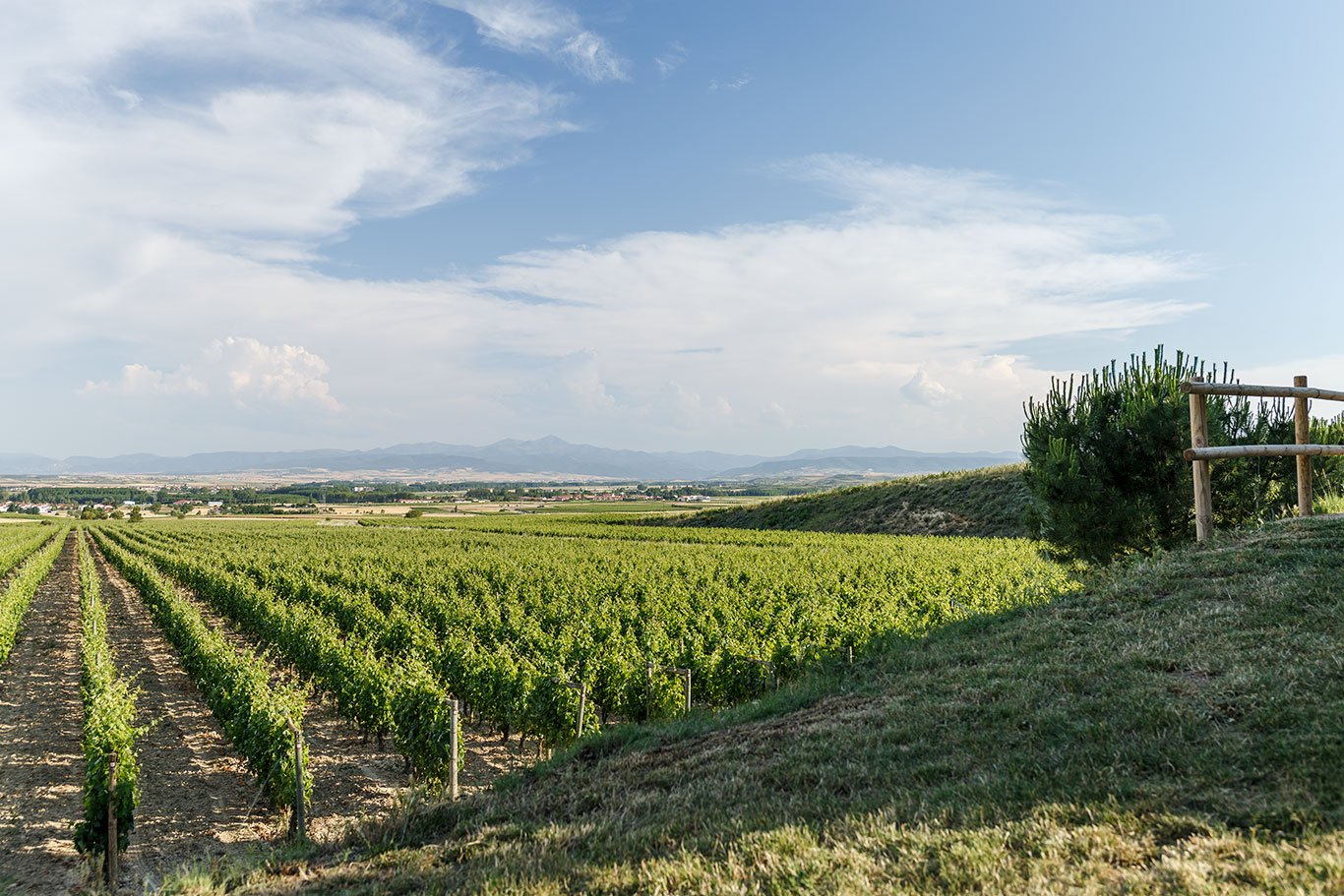
CERTIFIED wine routes running through the heart of Spain are the perfect option for gastronomy lovers.
Running through Castilla y Leon, the new routes offer a unique option for tourists who want to explore the region, take in the culture, and enjoy great food and drink.
‘Castilla y Leon highlights diversity, it’s a community with lots of contrasts and that is what makes it different. Wine is the main factor but we have lots of very different cultural aspects to share’, said Miguel Angle Gayubo, the president of the Asociacion de las Rutas del Vino de Castilla y Leon.
READ MORE: Calpe, Spain’s expat capital on the Costa Blanca, reaches a milestone
All nine certified routes offer a combination of tradition and modernity yet each has its own unique appeals – take a look at what each route includes and find out which is best for you.
Ribera del Duero
Following the Duero river and stretching across four provinces, the Ribera del Duero route is one of the most consolidated and is the second most visited in Spain.
Visitors travel through Burgos, Soria, Segovia, and Valladolid with highlights being the Museo Provincial del Vino de PeNafiel, the Monasterio de Santa Maria de Valbuena and the Castillo de Penaranda.

Rueda
Also running through Valladolid and Segovia is the Rueda route.
This journey lets visitors see these cities’ old temples and monasteries, and the sites of Avila.
Furthermore, the route is the home of 29 associated wineries that marry alcoholic beverages with hidden heritage and history.
Toro
Toro is an emerging route within Castilla y Leon and was born with the objective of offering memory making experiences.
Offering the perfect alternative to indoor tourism, the route features 17 municipalities between the east of Zamora and the southeast of Valladolid.
Attractions include the Colegiata de Santa Maria la Mayor, a historic church that’s considered to be one of Spain’s most important medieval monuments.
Arribes
On the border of Portugal, situated between Salamanca and Zamora, is the Arribes route.
With over 150km of river, this trip is ideal for nature lovers who want to explore beautiful scenery whilst enjoying the wine that is on offer.
Arlanza
Situated to the south of Burgos and to the east of Palencia this area offers quality tourism that includes heritage, cultural history, nature and marvelous wines.
The Arlanza route runs between the middle and upper valleys of the area and allows visitors to see the Covarrubias mountain range and the Cerrato moorland, which are protected by the Denominacion de Origen Vitivinicola Arlanza.
Bierzo
Winding through villages and towns, the Bierzo route is filled with archeological and artistic stories.
It allows keen historians to explore Las Medulas, the Camino de Santiago, and the Biosfera de los Ancare reserve whilst eating great food and drinking some of Spain’s best wines.
Cigales
In a prime spot, close to Valladolid city centre and its airport, is the Cigales route which hosts over 1,200 wineries.
This route is perfect for those looking for a quick adventure that has good transport links.
Sierra de Francia
Sierra de Francia offers a particularly historic journey as it explores the culture of ancient wines with wineries situated in some of Spain’s oldest plots.
Zamora
The last of the certified wine routes is Zamora, which extends between 46 Zamora municipalities and 10 Salamanca municipalities.
Until the 20th century wine cultivation was the mainstay of this rural economy which is known for its brilliant hospitality and welcoming hosts.

Click here to read more Olive Press Travel News from The Olive Press.







Rachel
Where are these places and wine tours in Spain? Needs a map.
Also how ro contact any of them.
Help us ‘check them out’ as you suggest.
And of course there are other wine routes – maybe not running through the heart of Spain ( however that is defined!).
We were in Yecla last week, one of several wine producing centres Murcia. This traditionally is the land of Monastrell, but mote recently the terrain and micro climates especially around Yecla have given birth to different strains, and hence a rejuvenated wine industry. Certainly comparable with Ribera del Duero as a wine tour area, and, in my humble opinion, head and shoulders above in gastronomy. Very, very special.
It’s a little known area Yecla – and I think a place OP should maybe take a visit