INVESTIGATORS probing the cause of Spain’s African swine fever outbreak are examining whether the virus may have leaked from a nearby high-security laboratory.
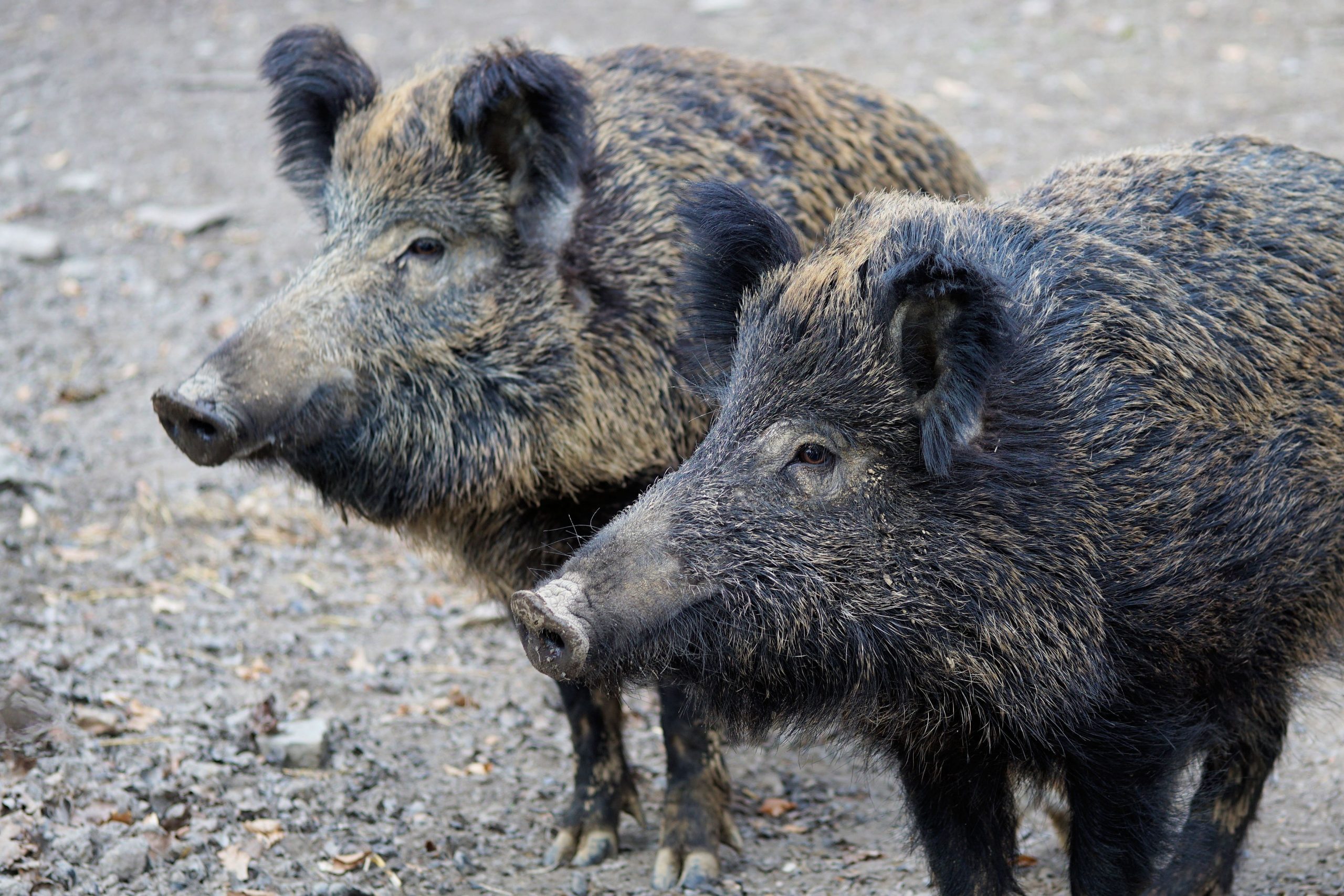
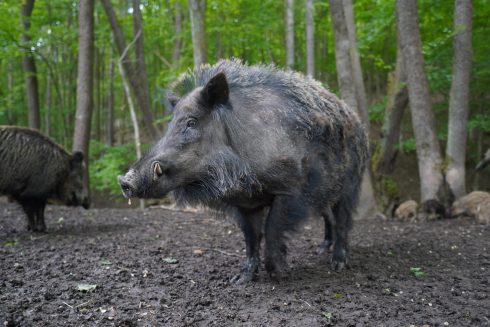
Previously, officials speculated that the disease may have first circulated after a wild boar ate contaminated food from outside the country – such as a half-eaten pork sandwich left on the side of a road.
But attention has now turned to five research facilities located within 20km of Bellaterra, a Catalan municipality on the outskirts of Barcelona where the virus was first detected.
The new line of enquiry comes after a report by Spain’s agriculture ministry said the strain of African swine fever detected in wild boars in Catalunya was similar to one detected in George in the 2000s – and not like other variants circulating in the EU.
“The discovery of a virus similar to the one that circulated in Georgia does not, therefore, rule out the possibility that its origin lies in a biological containment facility,” the ministry said on Friday.
“The ‘Georgia 2007’ virus strain is a reference virus frequently used in experimental infections in containment facilities to study the virus or to evaluate the efficacy of vaccines, which are currently under development.
“The report suggests that the virus may not have originated in animals or animal products from any of the countries where the infection is currently present.”
Salvador Illa, the Catalan president, added: “The regional government is not ruling out any possibilities when it comes to the origin of the outbreak of African swine fever, but neither is it confirming any.
“All hypotheses remain open. First and foremost, we need to know what happened.”
The Catalan government has ordered a thorough audit of all facilities that have worked with the pathogen.
One facility in particular – known as IRTA-CrESA – has come under the limelight.
The research centre works directly with the virus and is located less than a kilometre from where the first dead and infected wild boars were discovered.
So far, the agriculture ministry has confirmed 13 cases of the virus, all found in dead wild boars found nearby to where the disease was first detected last month.
Over 30,000 pigs in the affected area may be culled to halt the spread of the virus, which has forced the Spanish government to deploy more than 100 troops in tandem with police and wildlife rangers.
African swine fever is harmless to humans but potentially fatal to pigs, with the agriculture ministry warning that a spread into domestic herds used to produce pork would be catastrophic for the industry.
Spain is the world’s third-largest exporter of pork and roughly a third of its markets have imposed some form of restriction amid fears that the virus could spread.
The pork export industry is worth around €8.8 billion a year.
Click here to read more Spain News from The Olive Press.