
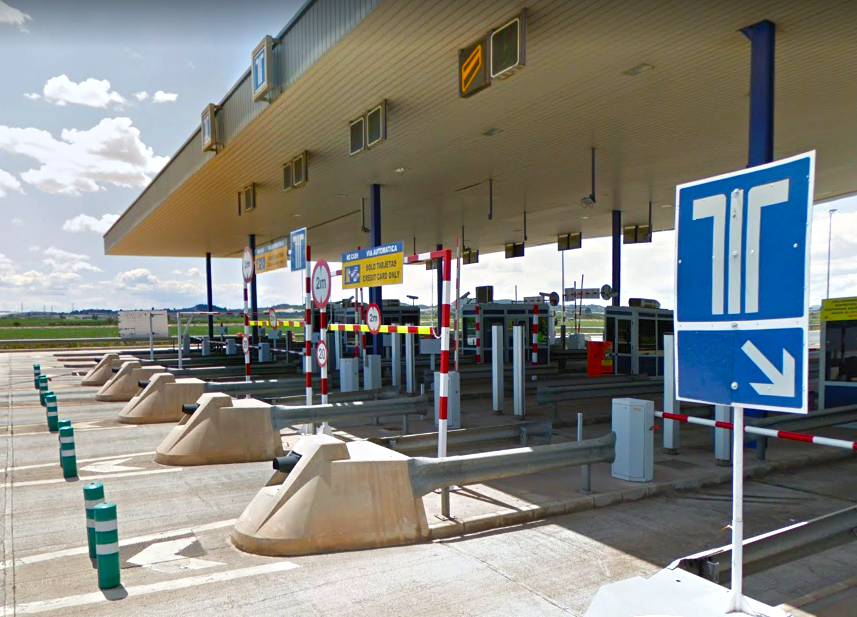
TOLL charges on privately operated motorways in Spain including the AP-7 in Malaga will rise by an average of 4% from January 1.
State-run tolled highways will see a lower increase of 2%.
The hikes for franchise-run roads are above the inflation rate to counterbalance a 4% cap imposed in 2023 due to the economic crisis caused by the war in the Ukraine.
READ MORE:
- Call for Costa del Sol motorists to sign petition demanding discounts on exorbitant AP-7 toll road
- Joy for drivers as important stretch of Costa Blanca motorway is now permanently ‘toll free’
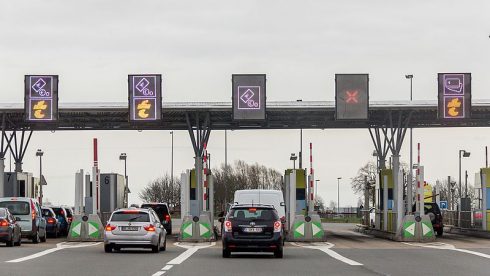
But for the government intervention, charges would have gone up by around 9%.
The exact details will be published ahead of January 1 in the Official State Gazette(BOE).
11 toll roads will have increases around 1% above the inflation rate including the AP-7 between Malaga and Guadiaro.
Other routes are the AP-51, AP-61, AP-6, AP-53, AP-66, AP-7 Vega Baja-Cartagena, the AP-68 and AP-71, AP-9 and AP-46.
The rises prior to 2023 were significantly lower, with a tariff increase of 1.97% in 2022, 0.11% in 2021, 0.84% in 2020 and 1.2% in 2019.
Around 600,000 motorists use toll roads each month while the four main franchise holders- Abertis, Itínere, Globalvia and Ausol- get a total income of around €1.5 billion per annum from 1,400 kilometres of motorways.
They were unhappy about losing revenue in 2023 and they struck a deal with the Transport Ministry over compensation being staggered over several years- something they were still not content with.
The nine motorways managed by the State Land Transport Infrastructure Company have a different tariff system with the Transport Ministry deciding on rates.
Last January 1, roads including the Madrid radials R-3/R-5, R-2, R-4, as well as the M-12, the AP-7 Cartagena-Vera, the AP-36 Ocaña-La Roda and the AP-41 Madrid-Toledo, rose by 5%.
As of next year, the annual rise will be capped at 2% until 2032 and free usage will remain overnight between 12am and 6am.
Click here to read more Costa Del Sol News from The Olive Press.