IT is surely one of Spain’s most bizarre traditions.
While anglo-saxon culture demands we cook up a pile of pancakes ahead of the start of Lent, in Spain people will gather to attend a solemn burial of a symbolic fish.
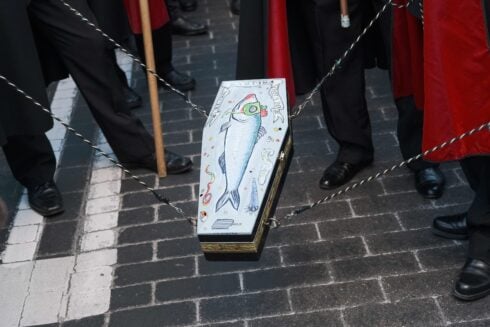
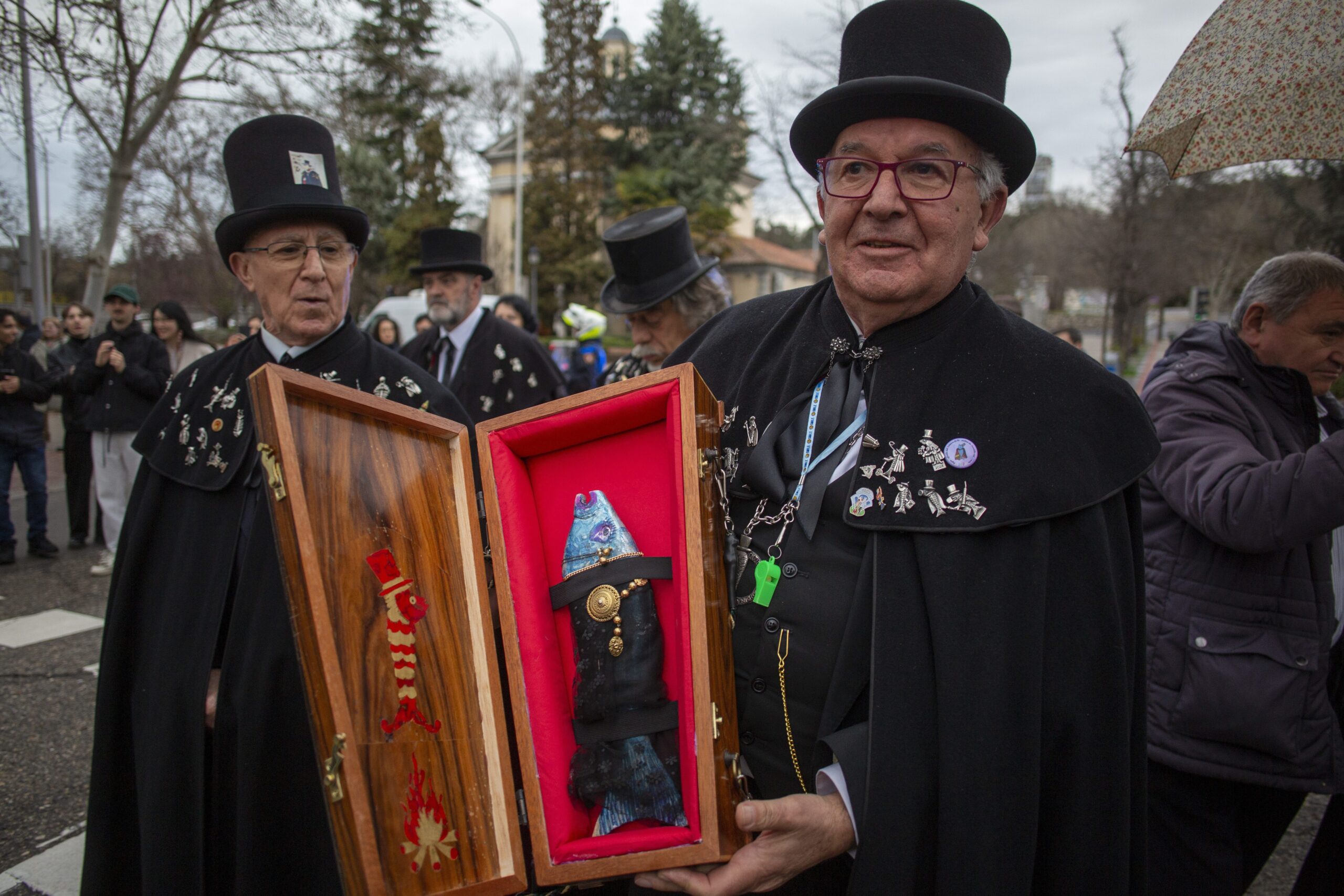
The Burial of the Sardine symbolically represents the “death” of Carnival. It brings an end to a week of extravagant celebrations that sees people dress up in costumes and party in the streets, Participants often dress in exaggerated mourning clothes, parodying solemn funerals while escorting a large sardine effigy through the streets.

The procession culminates in the dramatic burning of the sardine. This fiery finale signals the end of days of excess and festivity.
Traditionally linked to Ash Wednesday and the beginning of Lent in the Christian calendar, the ritual is said to represent purification, renewal, and the start of a more restrained period.

Origins and Historical Roots
Like many of the religious festivals across the world, this tradition traces its origins to ancient European seasonal festivals that marked the transition of the seasons – this one developed from pagan traditions that used fire to bid farewell to winter and welcome in spring.
Over time, these pagan customs merged with the Christian calendar. Carnival became the final celebration before Lent, the 40-day period associated with fasting and reflection.
READ MORE: FIESTA! The best festivals in Spain for your 2026 travel bucket list
By the late 18th century in Spain, students and urban groups had begun staging mock funerals to close Carnival and they chose the humble sardine to be the emblem of this theatrical farewell.
Goya and the Burial of the Sardine
The ritual’s cultural significance is immortalised in art. Spanish painter Francisco de Goya captured the spirit of the celebration in his late 18th-century work The Burial of the Sardine.
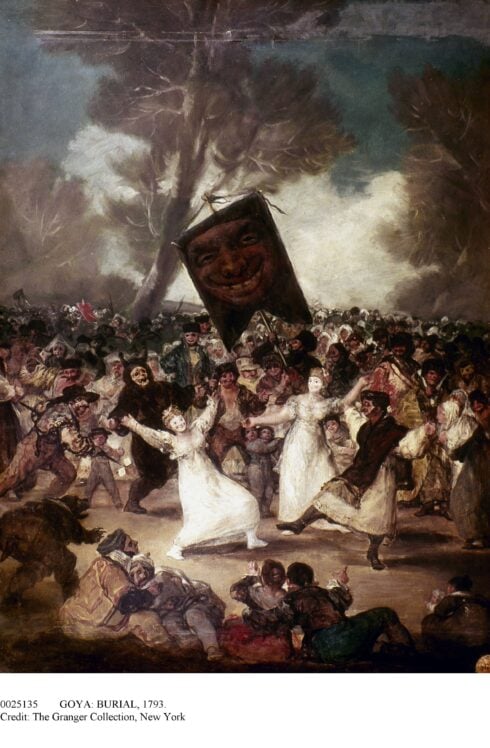
The painting depicts masked figures, lively movement, and a sense of social satire, reflecting the irreverent tone that still defines the event today.
When Is the Burial of the Sardine in 2026?
In most Spanish cities, the ceremony takes place on Ash Wednesday—the day after Carnival ends. In 2026, this falls on 18 February but some places choose to stage their festival on another day.
The Burial of the Sardine in Murcia and Madrid
The celebration in Murcia is widely regarded as Spain’s most spectacular. Unlike other cities, Murcia holds its Burial of the Sardine after Semana Santa at Easter.
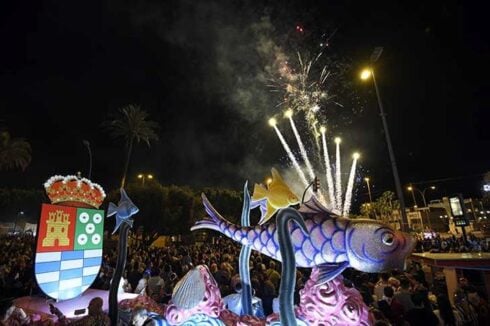
Recognised as a Fiesta of International Tourist Interest, the event transforms the city into a stage of themed floats, elaborate costumes, and lively “sardine clubs.” Parades are held where participants throw toys and sweets into the crowds, much to the delight of children.
The grand finale takes place on Saturday night, when the sardine effigy is burned amid fireworks, music, and celebration.
Madrid has its own version of the Entierro de la Sardina staged by the Alegre Cofradia del Entierro de la Sardina. The procession begins at the Ermita de San Antonio at 6pm before crossing the river and heading into the Casa de Campo for the ritual burning after sunset. Crowds gather along the way.

Smaller celebrations are held in many cities across Spain, so look out for one happening near you. Don your funeral clothes and join the fun.
READ ALSO:
- The tragic love story that is celebrated each February in Spain’s Teruel
- Ten romantic spa breaks in Spain and Portugal to woo your sweetheart this Valentine’s Day weekend
Click here to read more Olive Press Travel News from The Olive Press.