

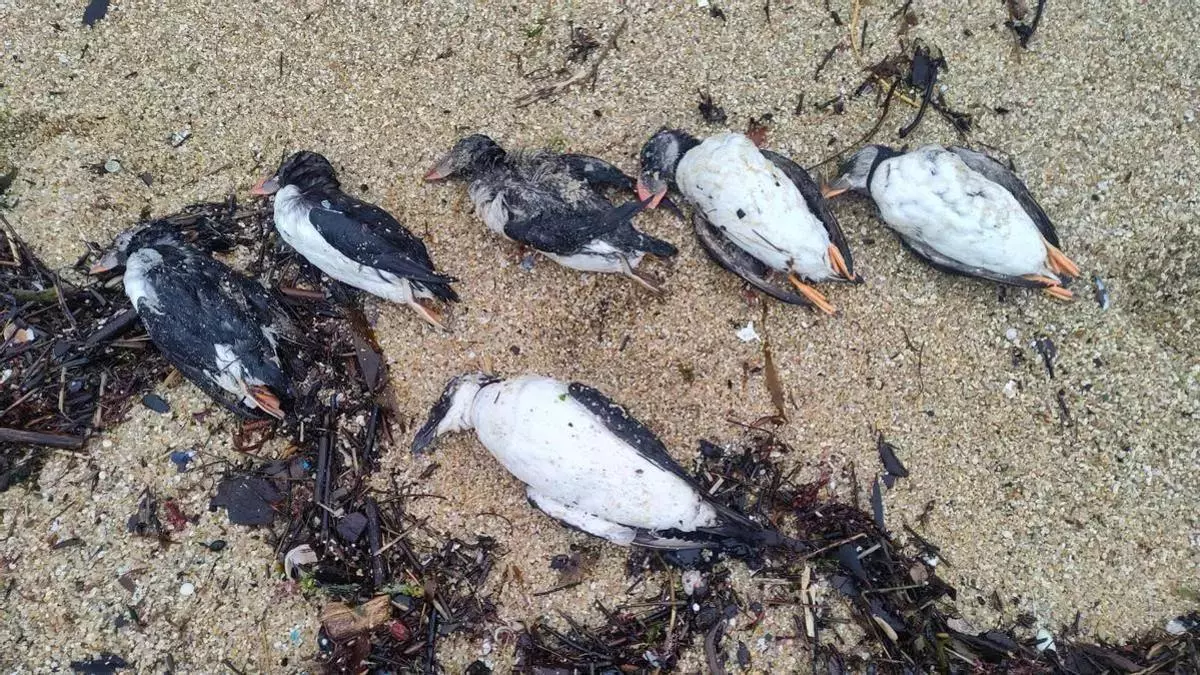
A DEVASTATING discovery has been made along Spain’s northern coast after weeks of violent Atlantic storms left hundreds of rare seabirds exhausted, starving and washed up far from home.
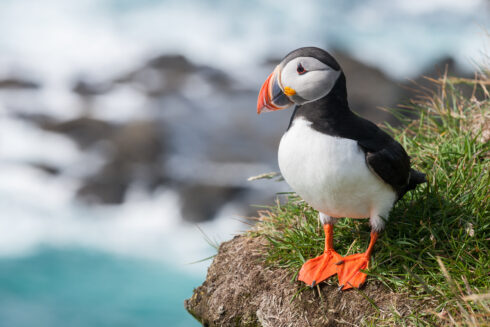
Around 1,000 seabirds, mainly Atlantic puffins from the British Isles, have washed up dead or severely weakened on beaches in Galicia and across northern Spain over the past two weeks after a relentless surge of stormy weather battered the region.
The worst affected area is Galicia, although cases have also been recorded in Asturias and Cantabria, as well as along France’s eastern coast and northern Portugal.
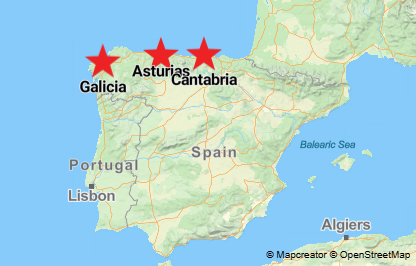
Environmental group SEO/BirdLife says more than 800 puffins have already been counted in Spain alone.
Most were found dead on the sand, while others were still alive but extremely weak and have been taken to wildlife recovery centres.
Several of the birds were wearing scientific rings confirming they had travelled from breeding colonies in the United Kingdom and Ireland.
Puffins breed in northern Europe but spend the winter months at sea in Spanish waters.
Experts say the chain of powerful storms is the main reason behind the mass deaths.
During heavy storms, puffins struggle against strong winds and huge waves while also finding it harder to catch fish.
READ MORE: BIOPARC Fuengirola: 365 Days of Conservation on the Costa del Sol
Many become exhausted, starve or die from the cold after days battling the conditions.
Conservationists say it is normal to see a small number of seabirds washed ashore at this time of year.
What is unusual is the sheer number now appearing on beaches in Galicia.
In France, some birds have been found stained with fuel believed to be linked to small but ongoing oil pollution at sea.
A small number of fuel-stained birds have also been detected in Spain, although experts believe these are more likely linked to minor spills from passing ships.
The Atlantic puffin is already a species in decline due to climate change and reduced fish stocks.
SEO/BirdLife is urging members of the public not to touch any birds they find due to the risk of disease.
Instead, people are advised to call 112 or contact a wildlife recovery centre if they find a live animal in distress.
Conservationists warn that the shocking scenes on northern beaches show how vulnerable seabirds are to extreme weather and pollution in the Atlantic.
Click here to read more Spain News from The Olive Press.