
MARCH 2 is a date etched into Spanish history for a bizarre combination of reasons.
It is a day that links a fatal case of professional jealousy, a violent uprising against modern technology, and the birth of the country’s infamous national identity card.
The drama begins with 17th-century Spanish painter Claudio Coello, who was born on this day in 1642 and became renowned for his breathtaking precision.
His perfect canvas was San Lorenzo del Escorial, the magnificent palace and monastery located just west of Madrid.
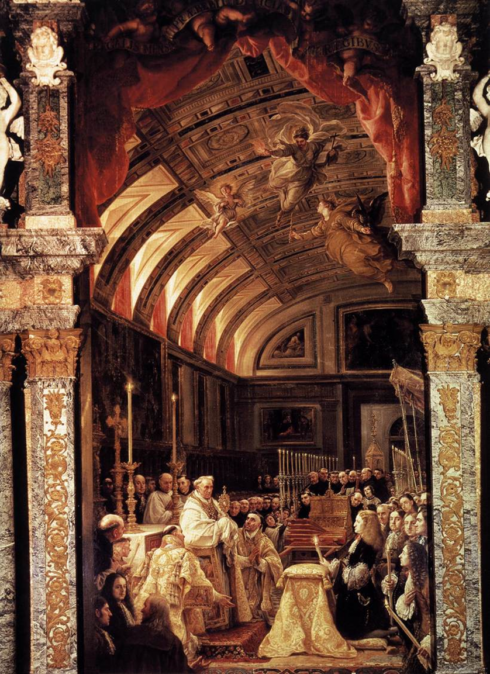
Coello laboured for years painting its walls with his characteristic group scenes, which were almost photographic in their realism.
His trademark was ensuring every face in his crowded works was a recognisable portrait of a royal, noble, bishop or servant.
In 1692, King Carlos II announced he was appointing a painter to fresco the Grand Staircase of the Escorial.
Coello was utterly convinced he would win the commission to create what he believed would be his immortal masterpiece and his own Sistine Chapel.
When news reached him that the monarch had instead hired Italian painter Luca Giordano, the 51-year-old Coello is said to have quite literally died of rage.
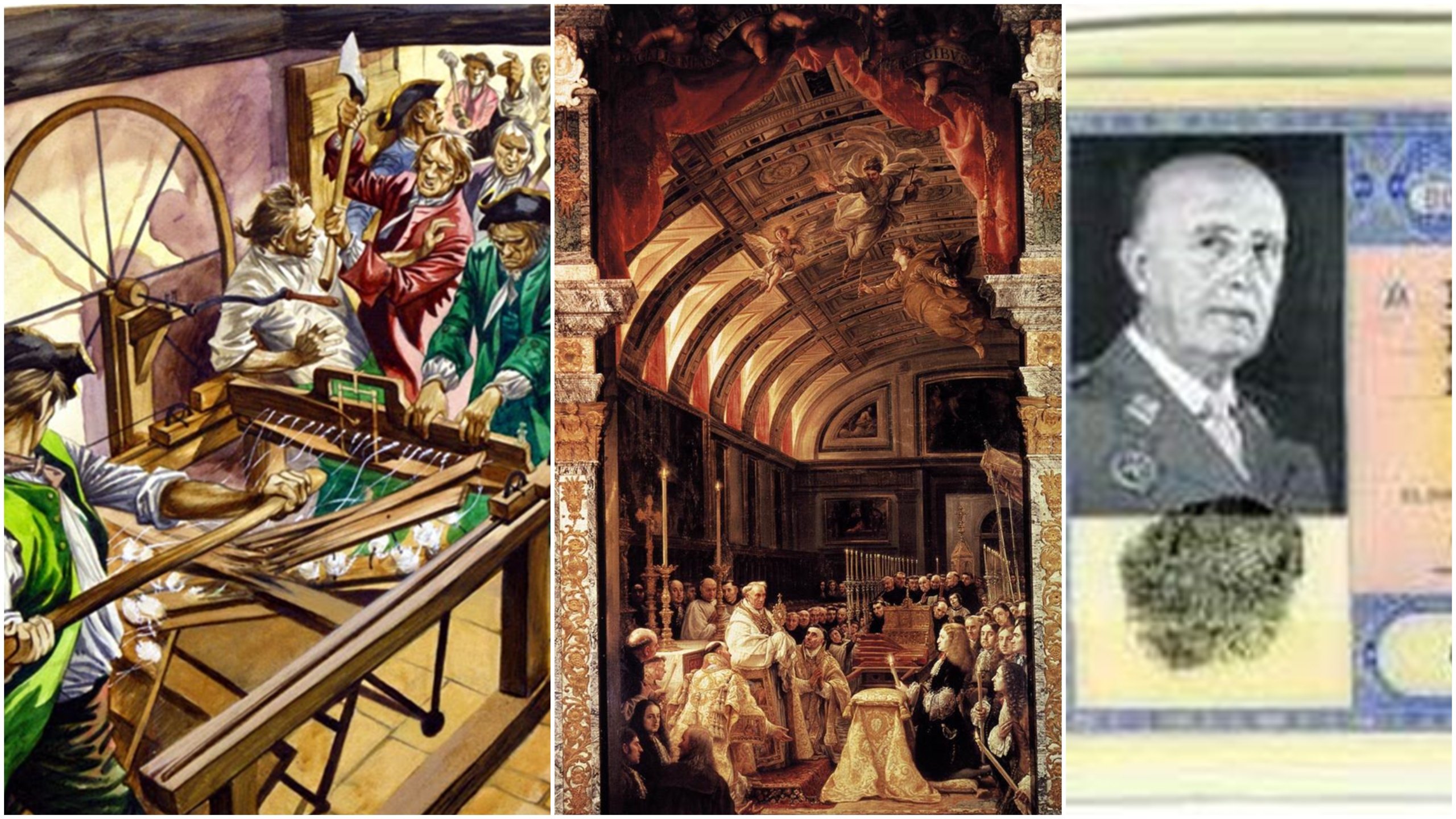
Fast forward to March 2, 1821, and the town of Alcoy was experiencing a very different kind of fury.
As the beating heart of the Spanish wool trade, situated a few kilometres north of Alicante, the town was undergoing radical and terrifying changes.
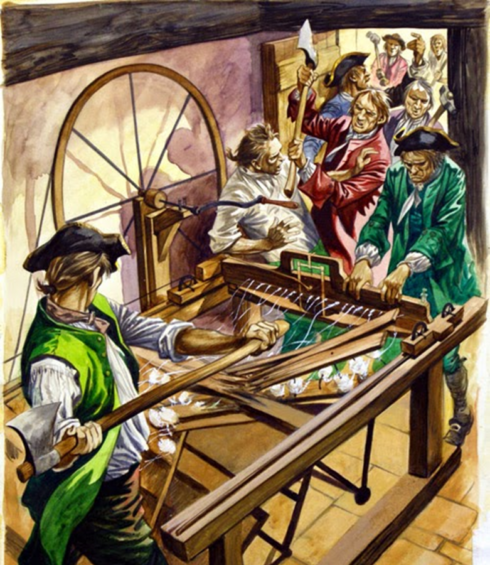
Much like modern anxieties surrounding artificial intelligence making human workers obsolete, the 19th-century residents of Alcoy were facing the terrifying prospect of losing their livelihoods to machines.
Until then, the tedious task of ‘carding’ raw wool into threads had been done by ordinary people in hundreds of local cottages.
When carding machines were suddenly introduced, more than a thousand desperate people ran riot and smashed the new technology to pieces.
The army had to be called in to establish order among these early Spanish luddites.
More than a century later, on March 2, 1944, the Spanish government introduced a system that every modern expat is deeply familiar with.
The state made it compulsory for all citizens aged 14 and over to carry a Documento Nacional de Identidad, commonly known as a DNI.
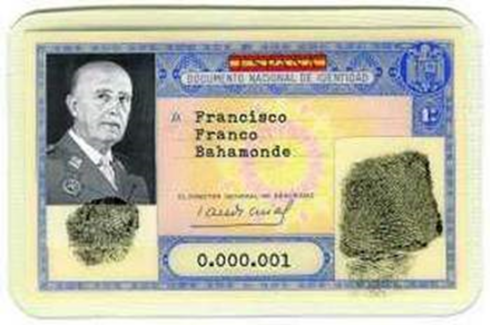
It took seven years to fully implement the system, but dictator Francisco Franco ensured he immediately received card number one.
The future King Juan Carlos, who was a mere six years old at the time, was mysteriously issued with card number 10.
While British people have traditionally been suspicious of identity cards, Spaniards and expats alike now rely on them to navigate the endless maze of official bureaucracy.
Flashing your resident card makes dealing with officialdom infinitely easier and allows for seamless travel to Portugal, France and Italy.
However, as any local knows all too well, that same piece of plastic will never be enough to get you across the border into Gibraltar.
Click here to read more La Cultura News from The Olive Press.