
THE price of oil and gas has climbed steeply yet again as the ongoing war in Iran continues to spook global markets and raise fears of a catastrophic energy crisis.
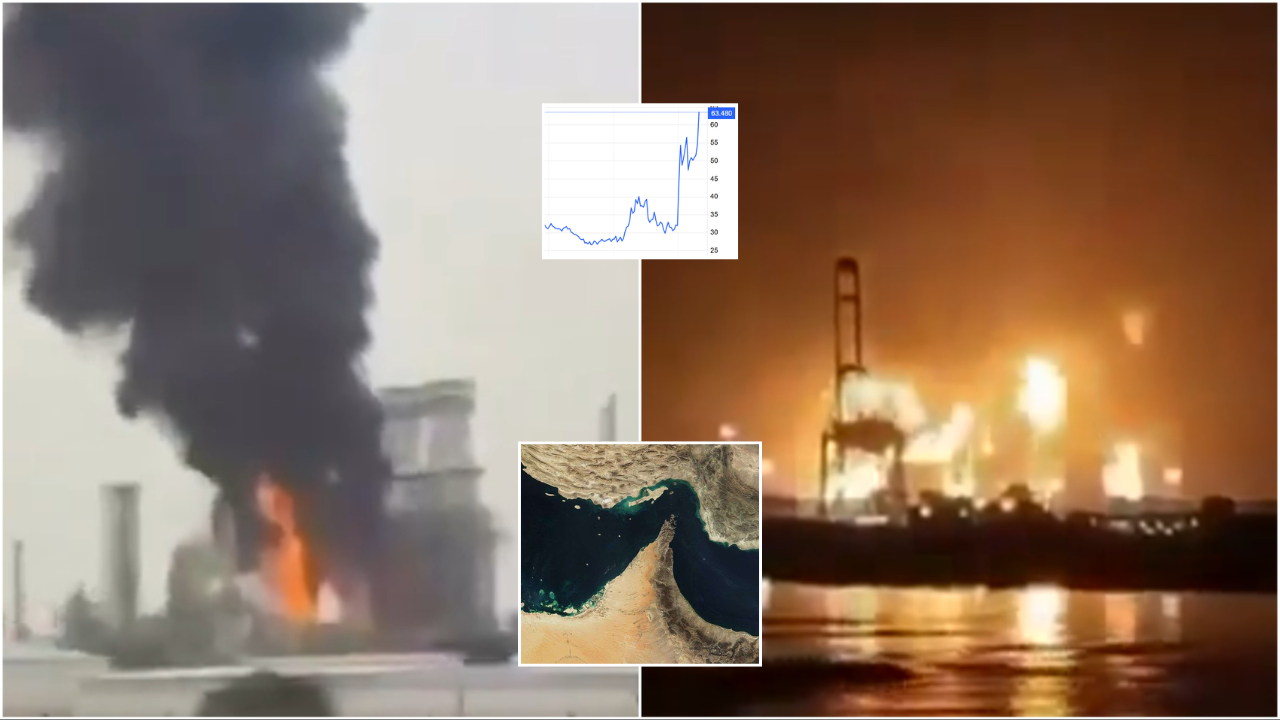
Brent crude, the international benchmark for oil prices, leapt by 8% on Thursday morning to reach $116 (€101) per barrel, a cumulative rise of nearly 60% since the US and Israel began launching strikes on Iran late last month.
Things are even worse with gas after Iran struck the vital Ras Laffan liquified natural gas complex in Qatar overnight, causing what operator QatarEnergy described as ‘considerable damage’.
In response, US president Donald Trump said he would ‘massively blow up’ the South Pars gas field in Iran – the world’s largest through which more than 70% of Iran’s natural gas production – if Tehran continues to attack Qatar.
That attack has prompted gas prices to surge by around 24% in Europe to €68 per megawatt hour – the highest level since the end of December 2022.
In total, European gas prices have more than doubled since the conflict began.
The conflict is also having repercussions on the stock market with growing investor anxiety, with Spain’s Ibex 35 falling by 1.4% on Thursday morning.
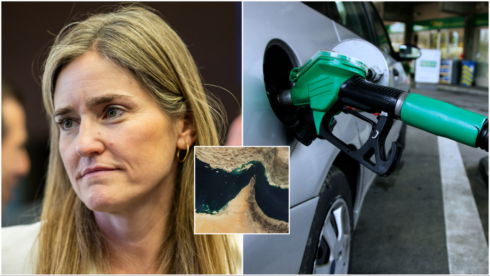
“Fears of a sustained energy shock have resurfaced after the escalation in the Iran war sent oil and gas prices soaring,” said Susannah Streeter, the chief investment strategist at Wealth Club.
“The prospect of a longer, more drawn-out conflict is in sharp focus, as both sides ratchet up attacks on energy infrastructure.
“The conflict is not only highly damaging for economies in the region, with tourism and business activity hit, but the knock-on effects of higher energy prices will have toxic repercussions worldwide.”
The latest wave of instability comes just days after the Spanish government agreed to release 11.5 million barrels from the country’s strategic oil reserves as part of a coordinated effort to mitigate the impact of the ongoing near-total closure of the Strait of Hormuz.
The latest batch will cover more than a week and a half of national consumption and represents almost 3% of the 400 million barrels that the International Energy Agency (IEA) has agreed to release from global emergency reserves – roughly one-third of the total worldwide.
Iran has effectively shut down the Strait of Hormuz, a crucial maritime shipping route through which around 20% of the world’s oil and liquified natural gas passes.
Shipping traffic exiting the Persian Gulf through the strait has been effectively halted and tankers are stranded because of the risk that vessels could be attacked.
In total, Spain currently holds oil reserves equivalent to 92 days of national consumption.
The 11.5 million barrels set to be released will include 2.2 million barrels of petrol, 9 million barrels of middle distillates such as diesel and kerosene, plus 227,000 barrels of fuel oil.
Ministers hope the move will contain spiralling prices for households and motorists.
On Friday, the cabinet is set to approve an emergency package of support designed to protect the sectors most vulnerable to the current crisis, including agriculture, transport and fishing.
Click here to read more Spain News from The Olive Press.