
HOPES that Storm Therese was beginning to subside have been dramatically washed away after the weather system unleashed its fiercest deluge yet on the Canary Islands, leaving behind a trail of chaos and destruction.
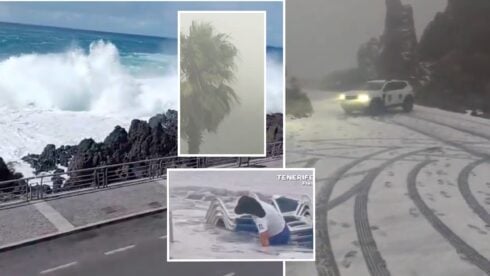
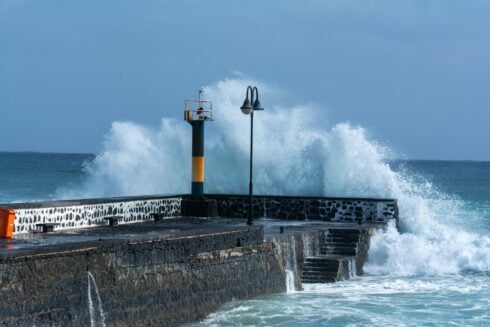
Therese – the 19th named storm to hit Spain this winter – had already been labelled as the ‘storm of the decade’ by meteorologists after battering the archipelago with heavy rainfall and 90km/h gale-force gusts last week.
It made landfall last Tuesday but has continued to gather pace and intensity in recent days thanks to the arrival of a second front.
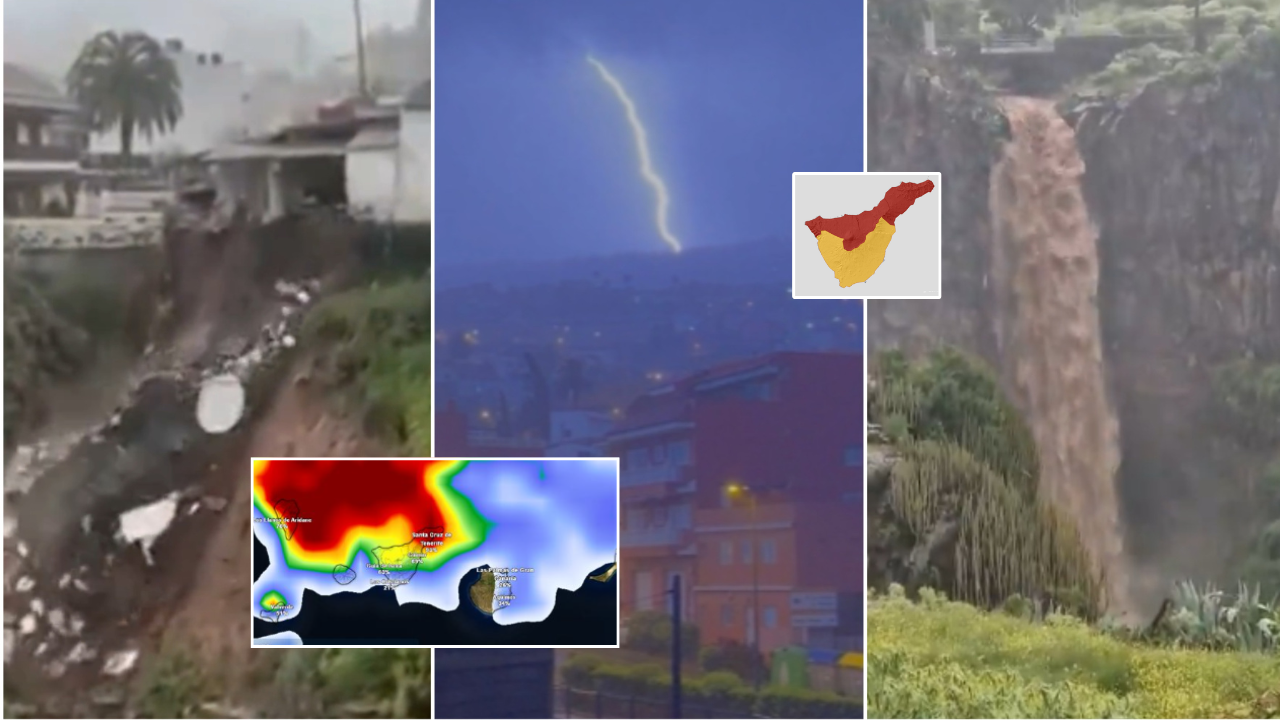
Late on Tuesday night, state weather agency Aemet issued a rare red alert for large swathes of Tenerife as the centre of the powerful storm swept in.
The ‘danger to life’ warning, which covered the northern half of the island, was put in place after up to 60mm of rain fell in just one hour in Tacoronte, a city located just 7km from Tenerife North airport.
More than a dozen flights were diverted from the airport late on Tuesday as poor visibility made it impossible for aircraft to safely land.
More than 30mm of rainfall was also recorded in several other nearby areas, including the wine-making region of Valle de la Orotova.
The president of the island council, Rosa Davila, announced the activation of the ES-Alert system, which sent an emergency text message directly to affected residents and visitors urging them to avoid all unnecessary travel.
Schools, nurseries and day care centres have also been shut just days after being re-opened following suspension last week.
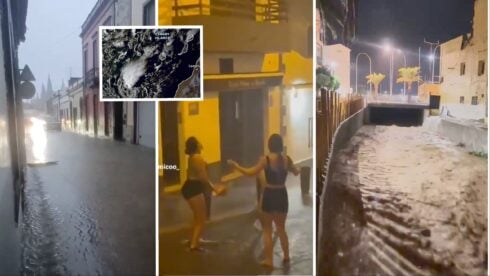
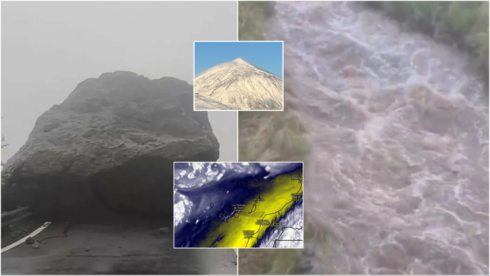
The torrential rainfall is causing significant flooding across Tenerife and Gran Canaria as intense, sustained downpours continue to overpower already waterlogged ground.
The storm has also triggered evacuations, road closures and widespread disruption across the islands, with many expats and tourists left stranded as storm damage blocks key access routes.
One video shared on social media shows a British tourist screaming, ‘Can someone get us help’, as she climbed onto the roof of a minibus surrounded by muddy floodwater.
The dramatic scene took place in Puerto de la Cruz, a city popular with visitors on Tenerife’s northern coast.
In Gran Canaria, authorities have been forced to release water from reservoirs, with around 30 of the island’s water reserves running the risk of overflowing.
“We are facing historic circumstances in terms of the volume of rainfall and its impact on the islands,” said Antonio Morales, Gran Canaria’s president, at a press conference on Tuesday.
Since the storm made landfall last week, more than 1,800 incidents have been recorded by the emergency 112 line.
READ MORE: Spain IS warming up: Official data shows brutal trend with ZERO cold records in last four years
However, no casualties have been reported.
Authorities have warned that the situation remains critical and highly unpredictable as the centre of Storm Therese continues to linger around the archipelago.
A lower yellow weather alert remains in place for Gran Canaria, Tenerife, La Gomera, El Hierro and La Palma, warning of frequent, localised storms and rainfall of up to 15mm per hour.
“We remain very attentive to the impact of Storm Therese,” prime minister Pedro Sanchez posted on X on Tuesday night.
He added: “The public is urged to avoid unnecessary travel and follow the instructions of local and island authorities. Much caution.”
Click here to read more Spain News from The Olive Press.