By Michael Coy
TODAY marks exactly 49 years since the world’s deadliest aviation disaster claimed 583 lives right here on Spanish soil.
But in a tragic twist of fate, the worst crash in aviation history didn’t happen in the sky, but firmly on the ground.
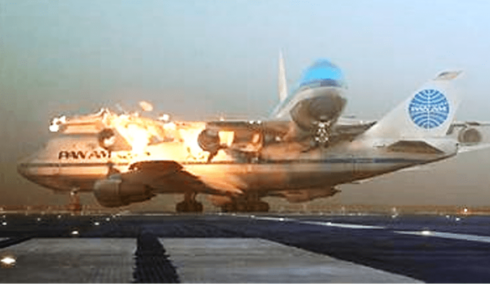
On March 27, 1977, two fully loaded Boeing 747 jumbo jets collided at devastating speed on the runway of Tenerife’s Los Rodeos airport.
The deadly chain of events began when a bomb threat forced the emergency closure of neighbouring Gran Canaria airport.
A slew of international flights were abruptly diverted to Tenerife’s much smaller northern facility, which simply couldn’t cope with the sudden influx of massive aircraft.
With taxiways completely jammed with parked planes, air traffic controllers were forced to route departing jets straight down the main runway.
To make matters worse, a highly localised and notoriously unpredictable ‘Canaries fog’ began rolling across the tarmac.
This thick sea fog moves in dense, ground-level clusters, creating moments of absolute zero visibility followed by sudden patches of clear air.
The final fatal ingredient was the aviation culture of the 1970s, an era when a pilot’s authority was absolute and rarely questioned by junior crew members.
Aboard KLM flight 4805 from Amsterdam, 265 passengers and 14 crew were growing increasingly frustrated after hours spent trapped on the Tenerife runway.
One passenger, Robina van Lanschot, made a snap decision to abandon the delayed flight so she could see her boyfriend who lived in Tenerife.
It was a romantic detour that ultimately saved her life.
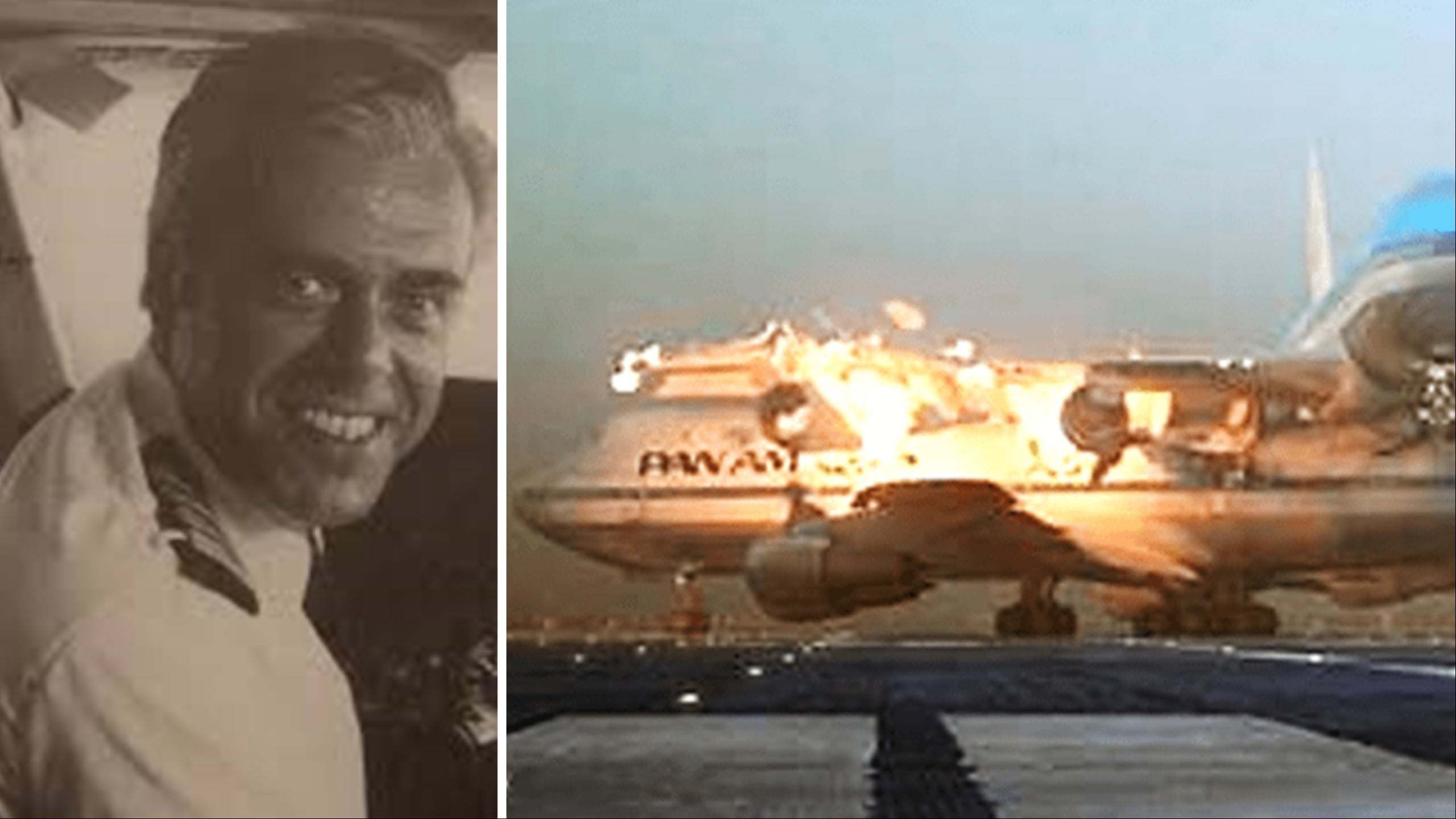
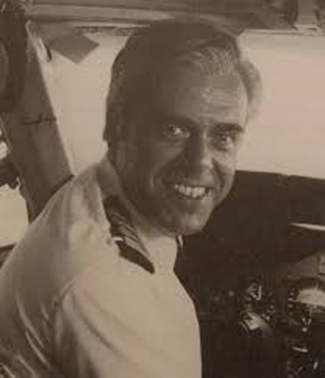
The rest of the passengers placed their trust in 50-year-old Captain Jacob Veldhuyzen van Zanten, a man so highly regarded he was KLM’s ‘poster boy’ pilot and chief instructor.
Meanwhile, the exhausted passengers and crew of Pan Am flight 1736 had been travelling for a gruelling 24 hours from Los Angeles.
They had informed air traffic control they had plenty of fuel to safely circle Gran Canaria, but were ordered by harassed Spanish controllers to put down in Tenerife.
At 5pm, the all-clear was finally given for Gran Canaria, setting the stage for the ultimate tragedy.
The KLM jet was ordered to taxi down the main runway and turn around for take-off.
READ MORE: ON THIS DAY: The Madrid train bombings – how Spain’s worst ever terror attack unfolded 22 years ago
The Pan Am plane was instructed to taxi behind it, before turning off onto a side taxiway to leave the runway clear.
In the chaotic final minutes, three disastrous elements aligned.
First, the impatient KLM captain assumed he was cleared for take-off without explicit tower confirmation, and his deferential crew failed to stop him.
Second, the exhausted Pan Am crew, confused by the airport layout in the thick weather, remained on the active runway longer than intended.
Finally, a blinding squall of dense fog swept across the airfield, completely erasing both massive aircraft from each other’s view.
The KLM jumbo jet came roaring down the tarmac at full thrust, slicing directly into the Pan Am 747 in a catastrophic collision that forever changed aviation history.
Click here to read more Canary Islands News from The Olive Press.