

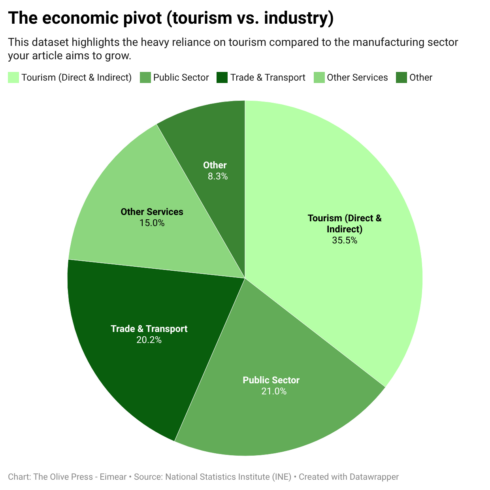
THE Canary Islands have long relied on tourism, with millions visiting each year for beaches, resorts and sun.
But tourism jobs are often seasonal, pay is low, and the economy struggles when visitor numbers drop.
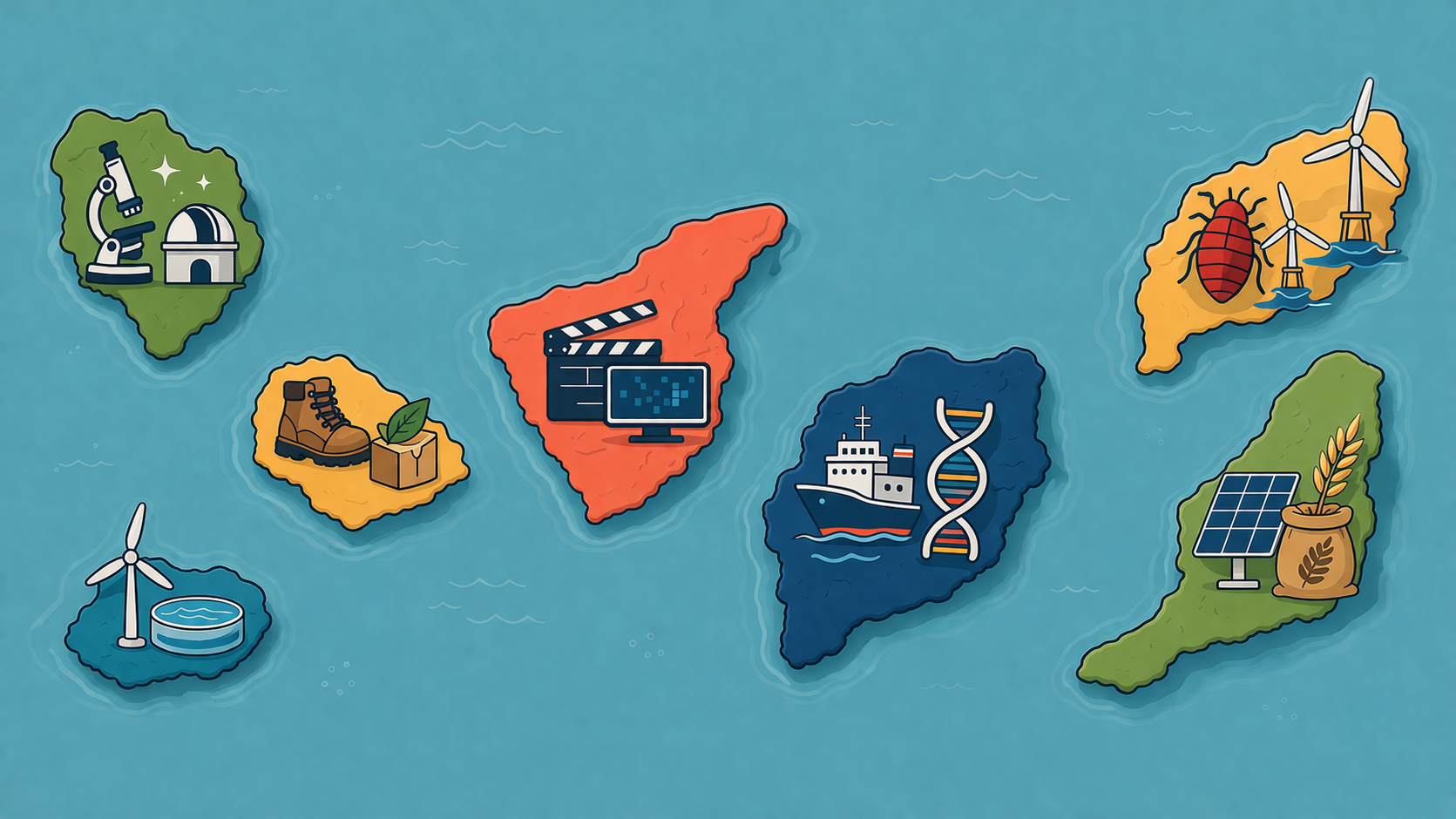
Now, the islands are investing in microchips, renewable energy and specialised industries to create more stable, year-round jobs and boost exports.
La Palma is leading the way with the CanaryChip strategy, focusing on microelectronics, photonics and advanced communications.
The island is also a top European destination for audiovisual productions, linking high-tech science with creative industries.
A flagship project on La Palma involves a microchip capable of detecting individual photons for research at the Roque de los Muchachos Observatory.
Officials say this technology will support astronomy, medicine, quantum communications and space navigation, while attracting highly skilled scientists.
READ MORE: Pedro Sanchez announces €11 billion investment for Spain’s microchip and semiconductor sector
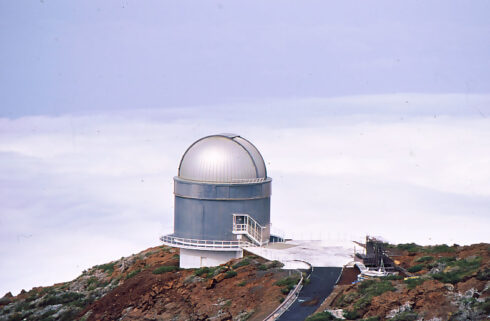
This facility is a key testing ground for the island’s new microchip technology, using advanced sensors to detect individual photons and transition the local economy toward high-tech research and quantum communications.
Gran Canaria focuses on the marine-maritime industry and biotech.
The Port of Las Palmas is the largest ship repair and refueling hub in the mid-Atlantic, while biotech companies produce high-value products such as marine collagen.
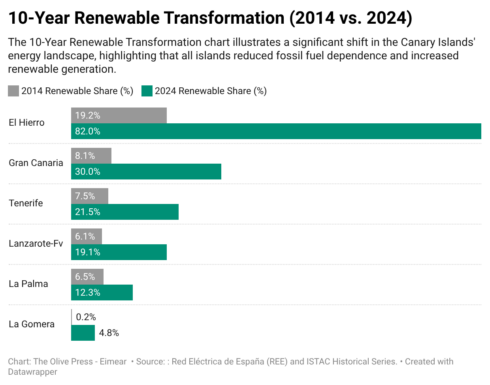
Renewable energy is a major priority, with Gran Canaria proposing reforms to its electricity rules to better integrate solar and wind power and support energy storage, following models used in other EU outermost regions.
Tenerife specialises in audiovisual, animation and digital services.
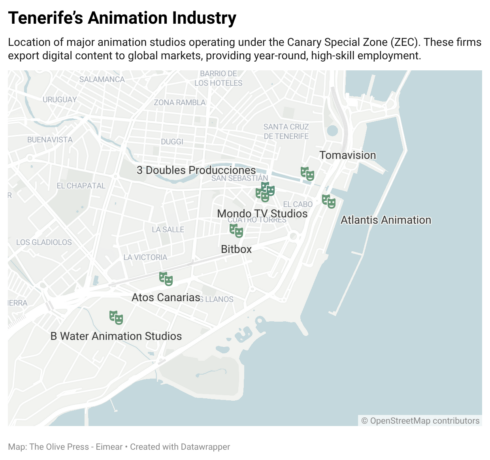
Animation studios and software companies there are exporting products globally, creating over 4,200 jobs in 2025 alone, while Tenerife also exports refined petroleum products.
El Hierro is a global benchmark for renewable energy innovation, achieving high levels of clean energy penetration through its integrated hydro-wind system.
High-tech companies such as Wooptix on Tenerife are producing advanced semiconductor inspection tools, already sold internationally, with plans to manufacture critical parts locally.
Other industries are growing too. Animation studios like Ánima Kitchent and 3Doubles are nurturing local talent, while Atos Canarias provides IT services across Europe.
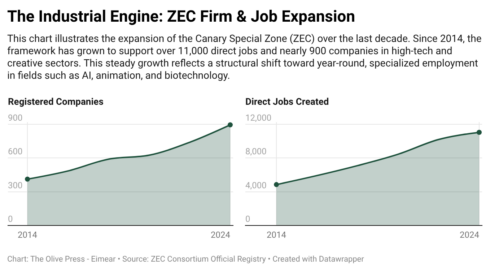
The Canary Special Zone (ZEC) offers financial incentives to attract companies, supporting almost 700 firms and more than 11,000 jobs across tech, science, and creative sectors.
Education and training remain essential, with universities and businesses working together to develop the skilled workforce needed for these new industries.
Officials say the transformation will take years, with quicker growth expected in software, animation and specialised tools, while energy and industrial projects may take a decade or more.
If successful, the Canary Islands could enjoy higher-paid jobs, stronger exports, leading-edge science and technology, and a year-round economy less dependent on tourism.
Click here to read more Spain News from The Olive Press.