
TECH-mogul Elon Musk recently chimed in on the ‘Empty Spain’ debate, as he does on most things.
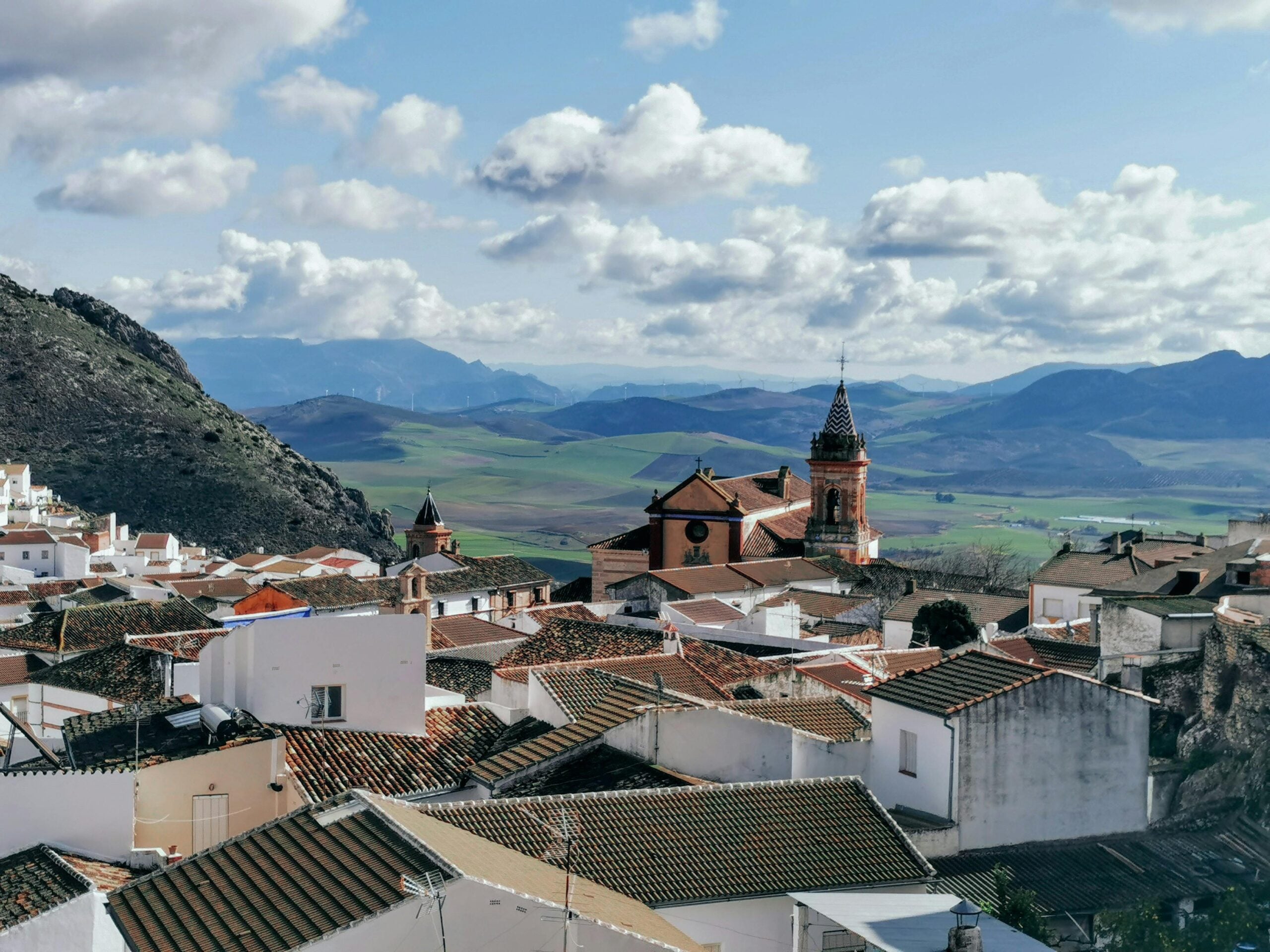
And he’s right, the issue of rural depopulation has left vast parts of the country’s rural interior scarcely populated.
Indeed, almost completely vacant, with around 90% of the population now living in just 20% of Spain’s territory.
While charming for many expats and urban tourists to get out into the hills in almost blissful peace away from the crowds, the problems this evacuation is causing are many.

Take the Toledo village of Illan de Vacas. It has only one resident – living in an abandoned pueblo with no neighbours, no public services, shops or schools.
It’s a familiar tale – around 3000 Spanish pueblos have been abandoned in recent decades as young people migrate to the cities or coastal resorts to find work.
Musk’s solution? Not to invest in these regions to try and encourage inward investment. No. To sacrifice and transform rural Spain into a solar energy powerhouse capable of powering Europe.
Speaking at the World Economic Forum, he insisted these low population density areas offer both the land and sunlight needed for large-scale solar projects.
While outsiders pitch big ideas, what are the homegrown solutions to Spain’s rural depopulation crisis.
READ MORE: Tourism frenzy in rural Spain as 10 million solar eclipse seekers book up for August
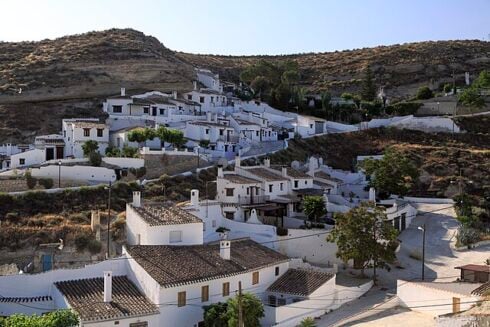
Galera, in Granada, has successfully appealed to expats to solve the problem, with a third of its 1,139 inhabitants now coming from 32 nationalities.
It started from a clever campaign called ‘Move to Galera’ which promoted the village’s affordable housing, tranquil lifestyle and proximity to nature.
It also stresses the open minded attitude to immigrants in the town.
Other similar schemes designed to combat the effects of rural depopulation.
Notably, the Holapueblo campaign is a national initiative to connect foreign entrepreneurs to pueblos desperate for new residents.
Some 11 regions are involved, including Extremadura and Castilla, and investors must first fill out a detailed application on the official Holapueblo website, outlining their plans to launch a business inland.
Led by AlmaNatura and backed by Ikea, between 2021 and 2023 alone some €788 million was invested in 262 rural destinations, much of it with help from the EU’s post-pandemic Next Generation fund, which is expected to close at the end of this year.
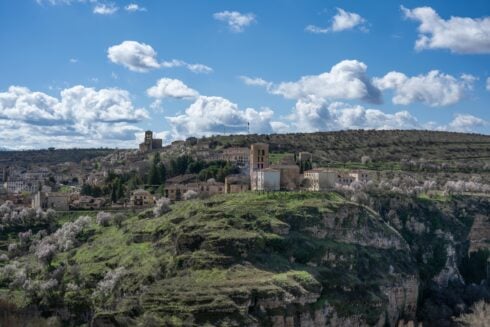
There are now hundreds of examples with pueblos including Paymogo, La Bobadilla and Coripe having a range of new businesses arriving from bakeries and bodegas to hotels and e-bike businesses.
Many examples have seen young families (around 50% of the total) relocating from the other side of the world, many of them even paid to relocate.
Most of the new businesses are run by women (58%), while 67% are between 35 and 50 years old.
In Castilla-La Mancha’s Almadrones, where the population had plunged to just 50 people, the authorities launched a scheme offering jobs with salaries up to €1,600 per month and allegedly free housing, garnering headlines nationally.
While there have been claims that the offer was heavily exaggerated, it appears to be working with the latest census showing 67 people live there.
Financial aid to move inland in Spain was offered by the government since 2022 with €10,800 for individuals under the age of 35 who purchase a property in a town of under 10,000 residents.
And to avoid fraud, the property must serve as the buyer’s main residence for a minimum of five years.
Once a participant is matched with a village, the project often provides guidance and local contacts to help with the property search.
Some success stories include an Argentinian family who settled in the village of Pradena, in Segovia, where the husband launched a much-needed carpentry business and the wife is now teaching music.
Meanwhile a couple moved to Villa del Rey in Caceres to run the village bar and shop, a decision motivated by seeking a better quality of life for their young son.

Then there are entrepreneurs like American Jason Lee Beckwith who bought Salto de Castro, on the Portuguese border for €310,000.
The CEO of Rocking Hospitality plans to transform the village into a luxury tourist destination and create 35 local jobs.
Click here to read more Property News from The Olive Press.