MARBELLA wasn’t always glitz and glam or the international hub for the ‘manosphere’ it is today.
In the 1970s, the town could have ended up like any other crowded Mediterranean resort.
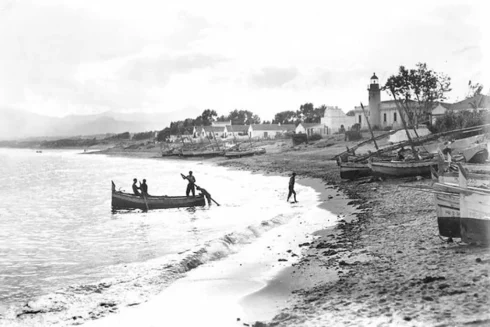
During the Civil War, the town, then home to just 900 people and nicknamed the Pearl, suffered badly, with many buildings burned to the ground.
Franco seemed unconcerned at the time, as his Nationalist allies moved in and seized the area, including Jose Antonio Giron de Velasco and Jose Banus, the man behind Puerto Banus.
The dictator has been criticised in recent years, but in Marbella, he played a surprising role in shaping the town we know today.
It all started during his last trip to Marbella in the summer of 1973, when he came to inaugurate the new Clinica Incosol.
As he looked around, he noticed two recently built towers, the Hilton Hotel, now the Hotel Don Carlos, and Torre Real, and reportedly, he was horrified.
READ MORE: Tourism slumps on the Costa del Sol with Marbella hotels barely over a third full
Some say he felt intimidated by the skyscrapers, understandable given that Franco himself was only 1.63 meters tall.
He thought the tall buildings ruined the natural beauty of the coastline, similar to what had already happened in Torremolinos and Benalmadena Costa.
The story goes that he immediately ordered that no more skyscrapers should ever be built in Marbella, freezing the skyline at a low-to-mid-rise level.
This created the ‘Marbella Model’ of urban development, which survives today.
Unlike other parts of the Costa del Sol, Marbella focused on horizontal luxury with villas, gated communities, and low-rise hotels.
READ MORE: Yamal, Rashford and Haaland: Which footy stars have flocked to Marbella this summer?
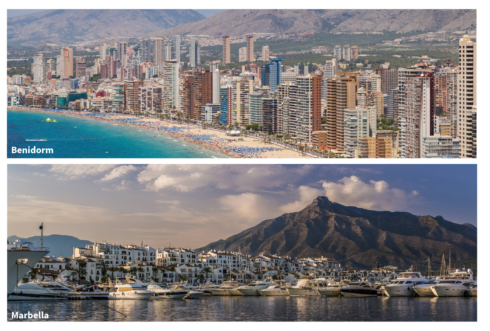
By the 1950s and 60s, it had become an exclusive retreat for European nobility and Hollywood stars, who valued privacy over crowded vertical resorts.
Franco’s decision reinforced the vision of Marbella’s early developers, including Ricardo Soriano, Prince Alfonso of Hohenlohe-Langenburg, and José Banús, who had encouraged low-rise, Andalusian-style construction.
No tower has been built in Marbella since 1973, preserving its unique character.
In the 1960s and 70s, the regime’s tourism policy shifted to attract foreign currency, giving pioneers like Prince Alfonso and José Banús the licences and support to create luxury projects.
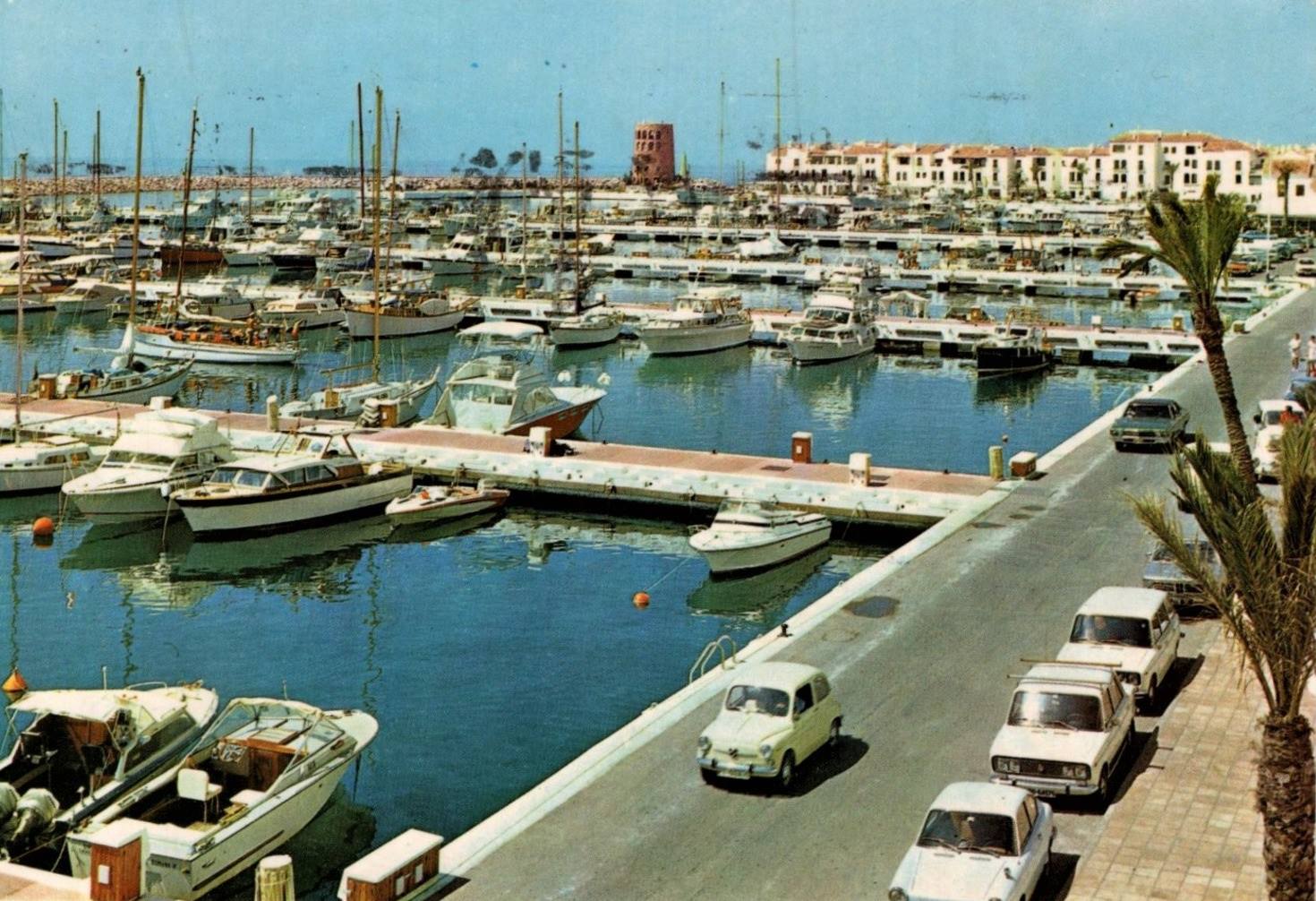
Puerto Banus opened in 1970, drawing figures like Hugh Hefner, Roman Polanski, and Princess Grace of Monaco, cementing Marbella’s elite status.
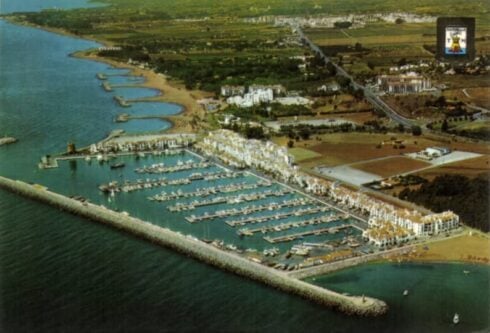
Even today, the influence of Franco and Marbella’s founders is clear in strict height rules, careful urban planning, and the city’s reputation as the Costa del Sol’s most exclusive resort.
Without their combined vision and Franco’s intervention, Marbella might have looked very different.
Click here to read more Spain News from The Olive Press.