


A 17TH CENTURY manuscript that disappeared from a Valencia collection has been recovered by the Policia Nacional- over a century later.
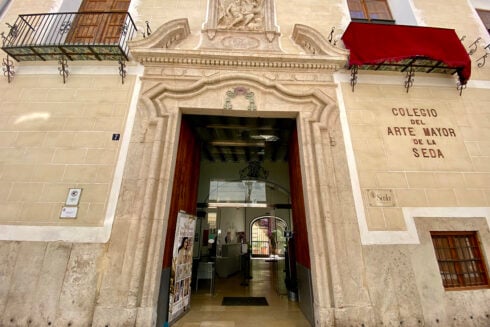
The work was found to be missing from Valencia’s College of the Major Art of Silk during an audit 117 years ago.
It had been put up for online sale with an asking price of €71,900.
READ MORE:
- Spanish police find painting believed to be €600,000 Picasso masterpiece that disappeared en route to Andalucia
- Fake El Greco painting is seized in Spain just before selling for €1.3m: Owner claimed he bought ‘genuine’ piece for €200 at a flea market

The manuscript is a copy of ordinances signed in 1479 by Ferdinand the Catholic that elevated velvet-making from a trade to an art, granting the velvet-makers privileges and social recognition.
Officers from the Policia Nacional’s Heritage Unit based in the Valencian region found the document during the routine monitoring of online sales of cultural goods.
The current owner will be able to keep the item so long as he adheres to protection guarantees to make sure it is not damaged and it is registered in official Valencia heritage records.
The seller told police that he knew nothing about the manuscript’s origin and that his father came into possession of it in the 1970s.
The item was never officially sold but vanished between inventories taken in 1907 and 1909.
The ordinances of the Gremi de Velluters, or velvet guild, were approved on 16 February 1479 and officially ratified eight months later by Ferdinand the Catholic.
The manuscript also includes the statutes of the Brotherhood of San Jeronimo, founded in 1483.
The book is made of green vellum, bound in velvet of the same colour and decorated with bronze fittings.
It contains 26 chapters from the 1479 ordinances and the Brotherhood statutes.
The manuscript is currently being examined by Department of Culture experts before being returned to its current owner.
It was never registered as protected cultural heritage, according to the Policia Nacional.
The College of the Major Art of Silk holds what is considered Europe’s oldest guild archive, with documentation produced by the institution from the 15th century including records of masters, officials, apprentices and factory inspections.
Click here to read more La Cultura News from The Olive Press.