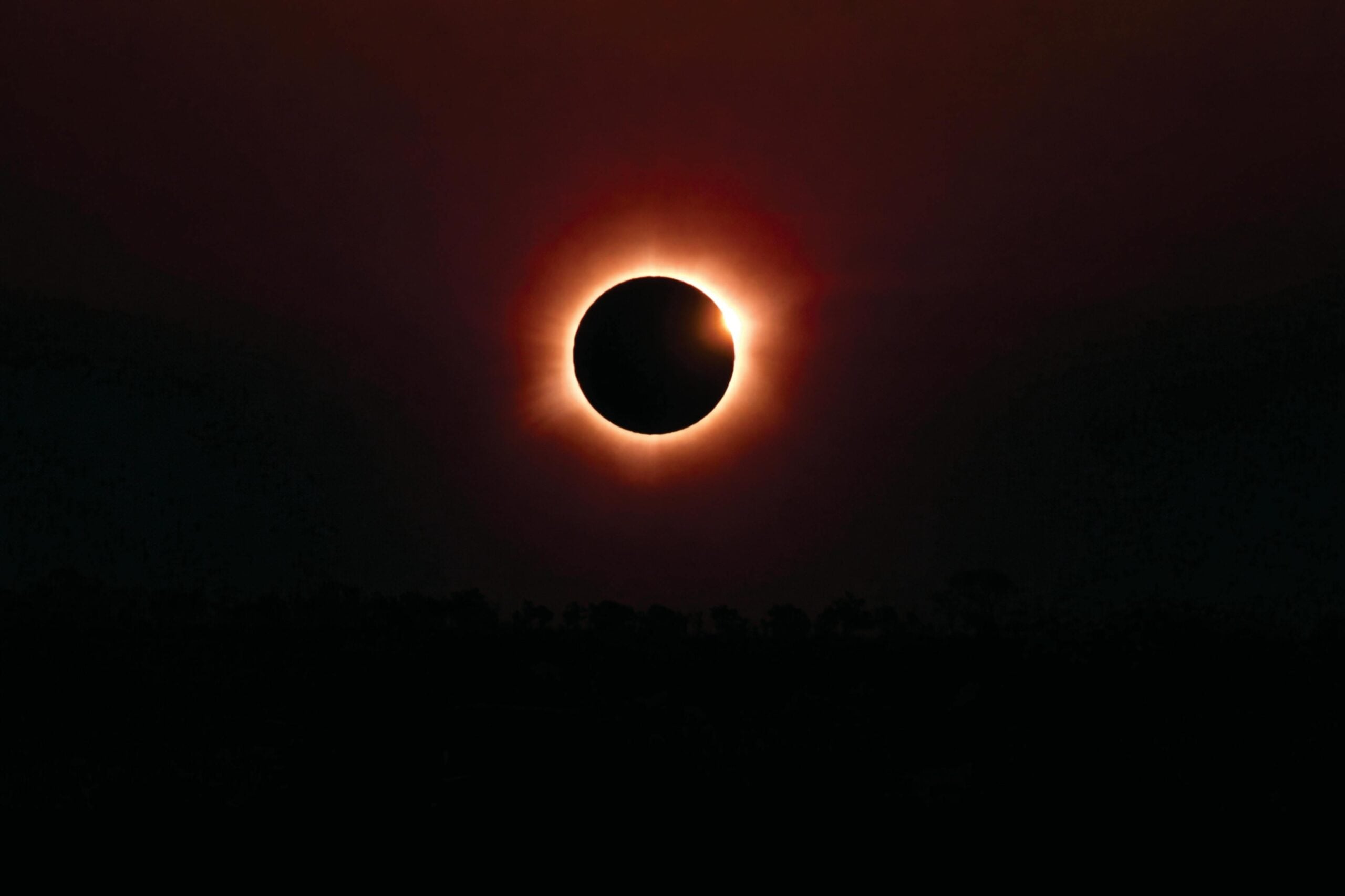
SPAIN will witness a total solar eclipse this August for the first time in 114 years – and if you want to book somewhere to see it, you’re almost certainly too late.
Such a rare event is it that the last time the Iberian Peninsula saw a total eclipse was in 1912.
At around 8.30pm on August 12, 2026, the phenomenon will cast an eerie shadow over a strip of Spanish towns located within the path of totality, the narrow area where total darkness is visible, for roughly 90 seconds.
Viewers in Spain’s more temperate north-western regions will get a front row seat, starting in Galicia and quickly moving over Asturias, Cantabria, Pais Vasco.
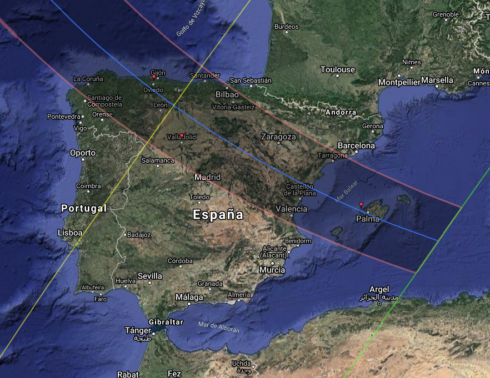
The show will then continue moving south-east, passing over Navarra, La Rioja and then Castilla y Leon. Finally Castellon and parts of Valencia will see the eclipse before the Balearic islands wave it on to the next country.
But if you’re thinking of trying to get in on the action, think again.
Many eclipse chasers rushed to book accommodation in Spanish towns in the eclipse’s path thinking that this was their chance to witness the ‘once-in-a-lifetime’ phenomenon.
Searches for bookings in the areas where it will be visible, especially in rural areas, soared by 820%, according to data from Airbnb while the Spanish government forecasts up to 10 million people will travel to rural areas to view the eclipse.
However, if you were late to the party this year, it could be a blessing in disguise as a longer, even more spectacular solar eclipse will take place less than a year later, on August 2, 2027.
While Andalucia will miss out on this year’s eclipse, witnessing only a partial eclipse, next year it will be in a prime viewing location for the rare phenomenon.
At around 10.40am, much of southern Spain will be plunged as the moon briefly blocks the sun.
READ MORE: Spain’s first total solar eclipse in 100 years is coming – is YOUR home in the path of totality?
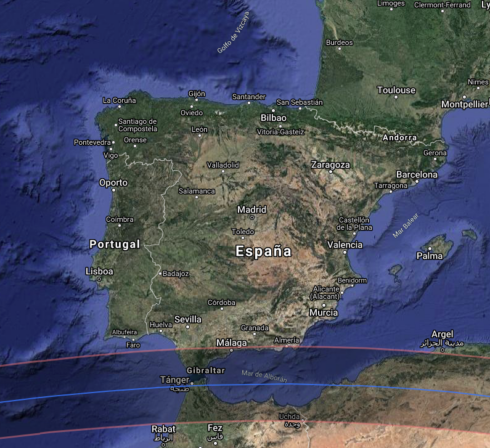
This time, the best views for ‘astrotourists’ will be in Marbella, Malaga, Cadiz, Almeria, Sevilla and Algeciras, and across the Strait of Gibraltar in Ceuta and Melilla.
The eclipse’s shadow will pass over Marbella for approximately 3 minutes and 21 seconds at around 10.46am, making it an ideal spot for astronomers seeking a touch of luxury with their stargazing.
Conil de la Frontera, on the Costa de la Luz, is another excellent choice, witnessing around 2 minutes and 19 seconds of totality at about 10.47am.
For die-hard umbraphiles, Ceuta offers the longest totality in Spain, with 4 minutes and 49 seconds of darkness.
Coinciding with peak tourism season in Spain, it’s best to book now to see the spectacle for yourself – and remember to pack eclipse glasses.
Click here to read more Environment News from The Olive Press.