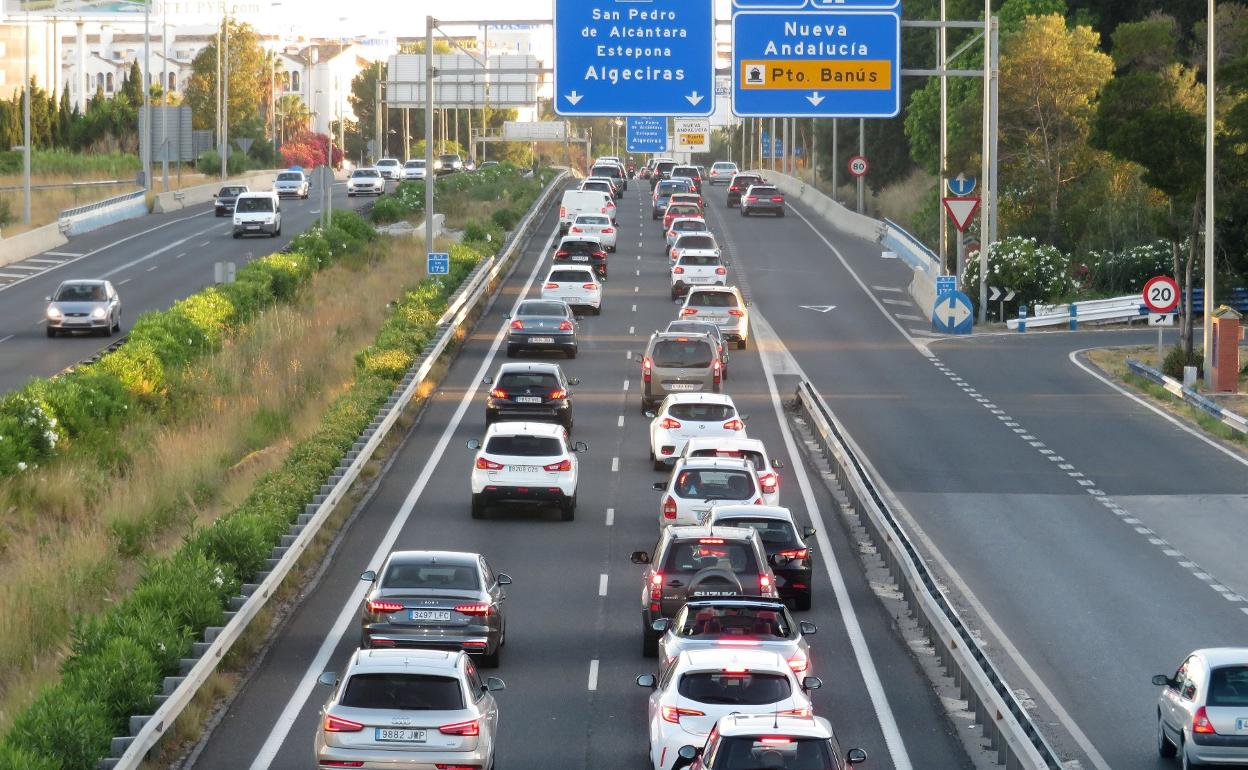
MORE than 100,000 vehicles were added to the roads of Alicante and Malaga combined in a single year, with both provinces now more motorised than Madrid, according to official figures.
Data published by Spain’s Directorate-General for Traffic shows Alicante’s vehicle fleet grew by 52,559 in 2025, reaching a total of 1,550,088 – a rise of 3.5%, well above the national average of 2.2%.
That puts Alicante fourth in Spain by total fleet size, behind only Madrid, Barcelona and Valencia.
With 762 vehicles registered for every 1,000 residents, the province now has roughly three vehicles for every four people – above the national average of 754 and above Madrid, which registers 772 per 1,000 despite being the capital.
READ MORE: Costa Blanca businessman buried under concrete in Alicante house was ‘killed over €5k debt’

Passenger cars account for 1,112,366 of that total, and motorcycles add a further 206,515 in a province with a population of 2.03 million.
Malaga tells a similar story.
The province added 48,485 vehicles over the same period, bringing its total to 1,396,623 — a 3.6% rise, the higher of the two growth rates.
Its vehicle density stands at 780 vehicles per 1,000 residents, also above Madrid and above the national average.
Of Malaga’s fleet, 938,048 are passenger cars and 230,794 are motorcycles.
Nationally, Spain’s total vehicle fleet grew by 804,057 in 2025 to reach 37,045,841 – its largest single-year increase since before the pandemic.
READ MORE: Long-awaited plans for Alicante’s new Central Park unveiled at a cost of €420m
Vehicle numbers in both provinces grew at roughly one and a half times the national rate, consistent with the breakneck growth seen along Spain’s Mediterranean coast.
Rising tourist numbers, population growth and expat demand have contributed to push vehicle numbers well above the national trend.
But the official figures omit one vital piece of information to capture the true story of the provinces’ congested roads.
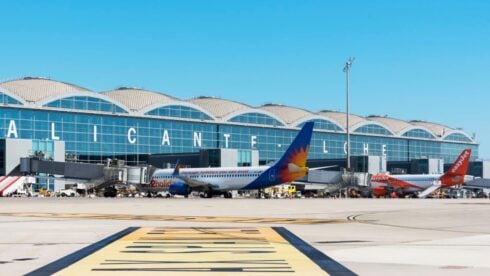
Both provinces are served by two of Spain’s busiest airports – Malaga-Costa del Sol handled a record 26.7 million passenger movements in 2025, while Alicante-Elche registered 19.95 million, also a record.
READ MORE: Relief for travellers as direct Malaga-Madrid high-speed trains finally return after three months
But rental cars hired by those tourists do not appear in the DGT provincial data.
Hire companies register their fleets at corporate headquarters – overwhelmingly in Madrid – so every car collected at Malaga or Alicante airport is invisible to the provincial count.
Based on conservative industry estimates of car hire uptake at leisure airports, the two provinces together could be adding upwards of two million additional rental transactions to their roads every year.
This hidden fleet that peaks sharply in July and August, precisely when the official figures suggest things are already stretched.
Meanwhile, the greatest overall vehicle increase was seen in Valencia – but for more macabre reasons.
READ MORE: Tourist coach driver arrested in Valencia for snorting cocaine leaving 25 passengers needing taxis
The province’s fleet grew by 113,153 in 2025 – a rise of 6.37%, nearly three times the national average of 2.2%, and the highest growth rate of any province in Spain.
But the explanation is not down to economic growth or population pressure.
On October 29, 2024, a catastrophic DANA storm system struck the Valencia region, killing 227 people and destroying more than 120,000 vehicles in a matter of hours.
In the worst-affected municipalities, vehicle registrations between November 2024 and June 2025 surged by 273% as tens of thousands of households replaced destroyed cars simultaneously.
The rebound was sharp and short-lived. By January 2026, registrations in Valencia had collapsed by 54% as the replacement cycle burned out and public subsidies expired.
Valencia’s 2025 fleet figures are, in other words, a statistical echo of a disaster – not a trend.
Click here to read more Malaga News from The Olive Press.