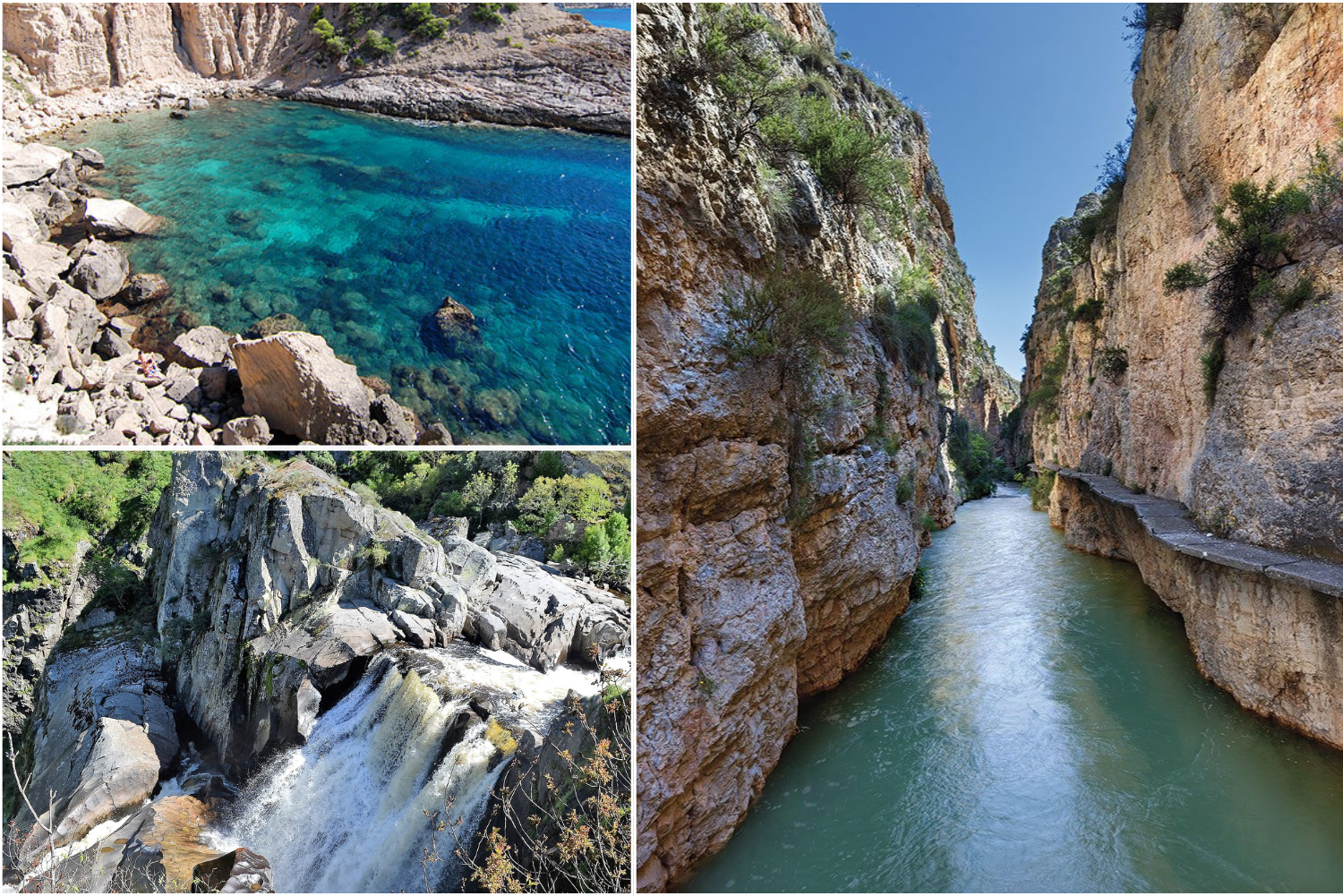
FROM mist-laced waterfalls to ancient canyons carved over millennia, Spain’s landscapes come alive in spring with a rare intensity.
These seven natural wonders reveal a country shaped by water, rock and time, as highlighted by National Geographic Traveler.
Each offers a reminder that nature remains the finest architect.
Cega River Gorge (Segovia)
Hidden in the Sierra de Guadarrama, the Cega River cuts through gneiss rock to form a narrow, wooded gorge near Pedraza.
Cega River flows for almost 150km between Segovia and Valladolid before joining the Duero.
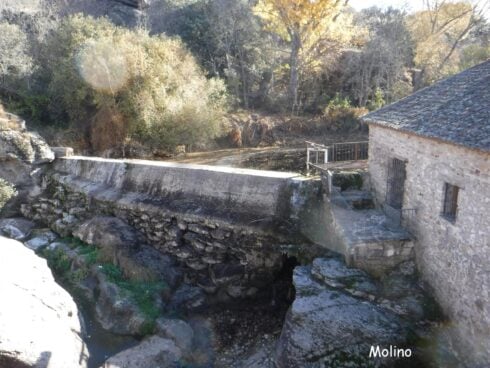
The popular Fishermen’s Trail follows wooden walkways and natural paths through dense riverside forest.
Poplars and willows lean over fast-moving water where otters still survive.
The route’s gentle difficulty makes it one of Castilla y Leon’s most rewarding spring hikes.
Pozo de los Humos (Salamanca)
The Pozo de los Humos, located in the Arribes del Duero Natural Park, creates a rising cloud of mist that mimics the famous Niagara Falls.
Geologists say the phenomenon occurs where the river hits a tectonic fault, forcing the water over a massive wall of resistant granite.
It’s the most famous attraction in the area and sits just a stone’s throw from the Portuguese border.
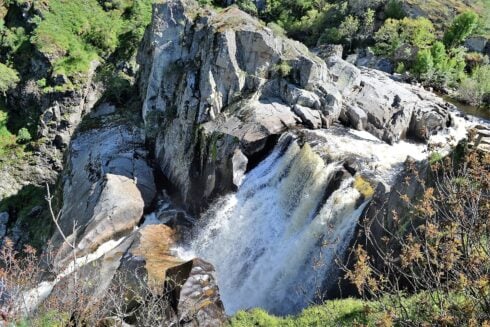
A second cascade nearby is known as the Pozo de las Vacas after a local legend involving a grain cart that plunged into the pool.
Visitors can view the falls from a footbridge on the Masueco side or from a viewpoint in Pereña.
The flow is usually at its most abundant between December and May.
Sa Pedrera de Cala d’Hort – Atlantis (Ibiza)
A surreal landscape of stone terraces, hollows and carved platforms lies on the southwest coast of Ibiza.
The site was once used as a 16th-century quarry before being abandoned.
READ MORE: Climbing banned in Madrid park until August to protect birds of prey during breeding season
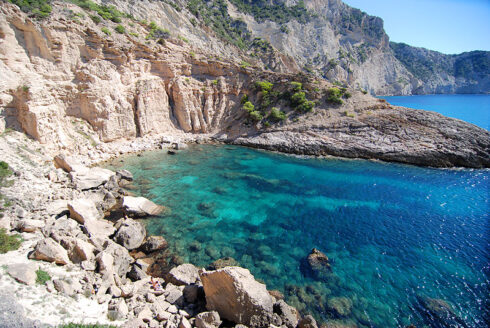
It was later reimagined by 1960s hippies and became known as Atlantis.
Today, its geometric rock formations and turquoise rock pools remain one of the island’s most mystical coastal experiences.
Laguna Grande de Peñalara (Madrid)
This glacial lake sits in a cirque carved during the last ice age at over 2,000m in the Sierra de Guadarrama National Park.
Being the park’s largest permanent lake, it was once threatened by over-tourism.
It has now recovered and offers a peaceful high-altitude hike surrounded by pine forest.
READ MORE: FROM THE ARCHIVES: Get off the beaten track with a holiday in Spain’s northern region Asturias
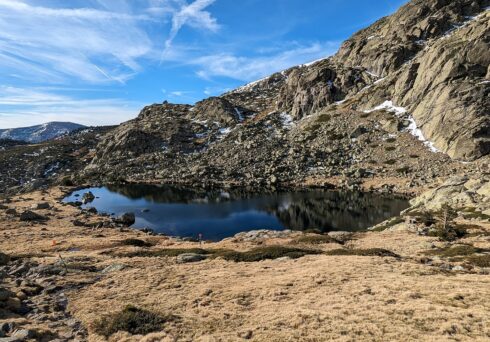
Thawing ice and reflections of the mountains create a striking alpine scene just outside Madrid in spring.
The lagoon remains frozen from December to March, and its waters come alive again in spring, being the perfect time to hike the 3km trail.
Lake Valdemurio (Asturias)
This reservoir near Oviedo blends engineered landscape with wild beauty, encircled by the green peaks of the Cantabrian Mountains.
Canoeing, hiking the Senda del Oso and wildlife spotting make it a standout spring destination in northern Spain.
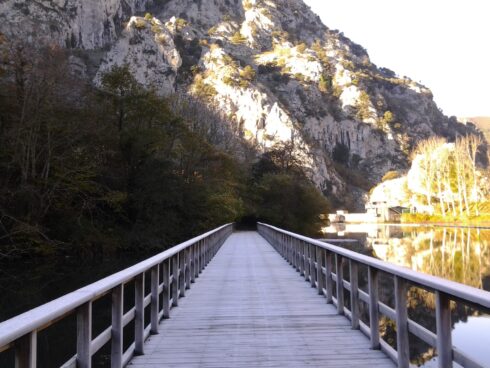
Visitors can spot vultures and even the elusive Cantabrian brown bear.
The slopes overlooking Valdemurio serve as a vital breeding ground for the protected species.
The lake marks the start of the first stage of the Senda del Oso, a popular greenway following an old mining railway line through the heart of the region.
Sierra de Castril Natural Park (Granada)
North of Granada, on the edge of Jaen, the village of Castril takes its name from the river that runs through it and the surrounding natural park.
The Sierra de Castril Natural Park covers nearly 13,000ha of limestone landscape shaped by water into canyons, caves, sinkholes and waterfalls.
The mountains filter rainwater through underground systems before it resurfaces in powerful springs, including the one at Castril, which flows at around 1,200 liters per second.
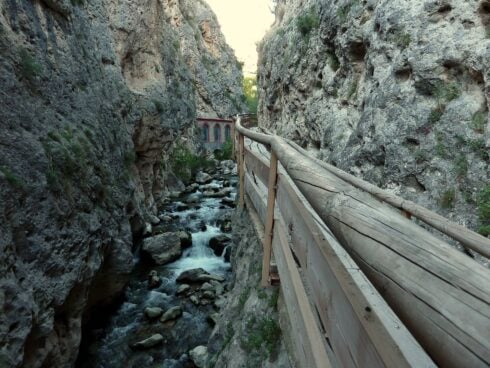
The main highlight is the Cerrada del Rio Castril, a walkway tracing the river through a narrow gorge.
Wooden paths cling to the rock, crossing a suspension bridge and even a tunnel with a small waterfall inside—often dubbed Granada’s answer to the Caminito del Rey.
Otters and trout live in the river below, while vultures and peregrine falcons circle the cliffs above.
Almadenes Canyon (Murcia)
First described in the 12th century by the Arab geographer Al-Zhury, who called it a divine split in red marble, the Almadenes Canyon in northwest Murcia still impresses today.
Carved over millions of years by the Segura River along a tectonic fault, it forms an 11km gorge with cliffs rising up to 150m.
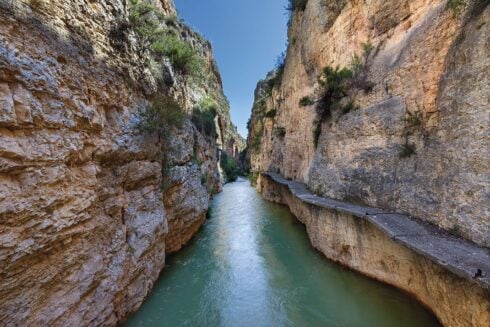
A lush riverside forest of poplars, ash and willows supports the region’s largest otter population, a marker of its clean waters.
The canyon also holds UNESCO-listed rock art sites, visible on guided river routes.
Visitors can explore it from above along the cliff edge, or from within by kayak through its narrow, towering walls.
Click here to read more Spain News from The Olive Press.