
IT has long been an exciting awayday for expats in the know.
Flights to Ibiza – and Mallorca – from the mainland cost as little as €30 for a midweek return.
Direct flights cost between €27 and €50 flying return from Malaga, Valencia or Barcelona – and don’t assume this means a brutal 5am airport run.
In fact most of the flights take off early in the afternoon.

Take the week going out Tuesday June 2, returning June 4 from Malaga for example, the Ryanair flight goes at a very reasonable 13.35 from the Costa del Sol and leaves from the island two days later at 16.25.
Total cost: just €37, assuming you fly with hand luggage only.
From Valencia it is even more civilised leaving at 11.10am and coming back at 16.00. Total cost: €27, while Barcelona has three direct flights both ways with tickets costing as little as €33 return.
May and June meanwhile are the perfect times to go, as the island’s temperatures hover from around 22C to 30C.
Even better, Ibiza is relatively quiet right now, unlike summer, and you can find rental cars for reasonable rates and get into almost every restaurant without an advance booking.
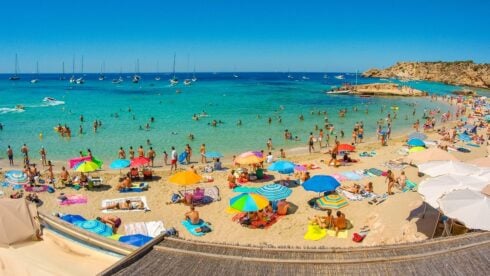
Arriving outside peak season means seeing a different side of the island, much more relaxed, empty-ish beaches and roads much easier to explore.
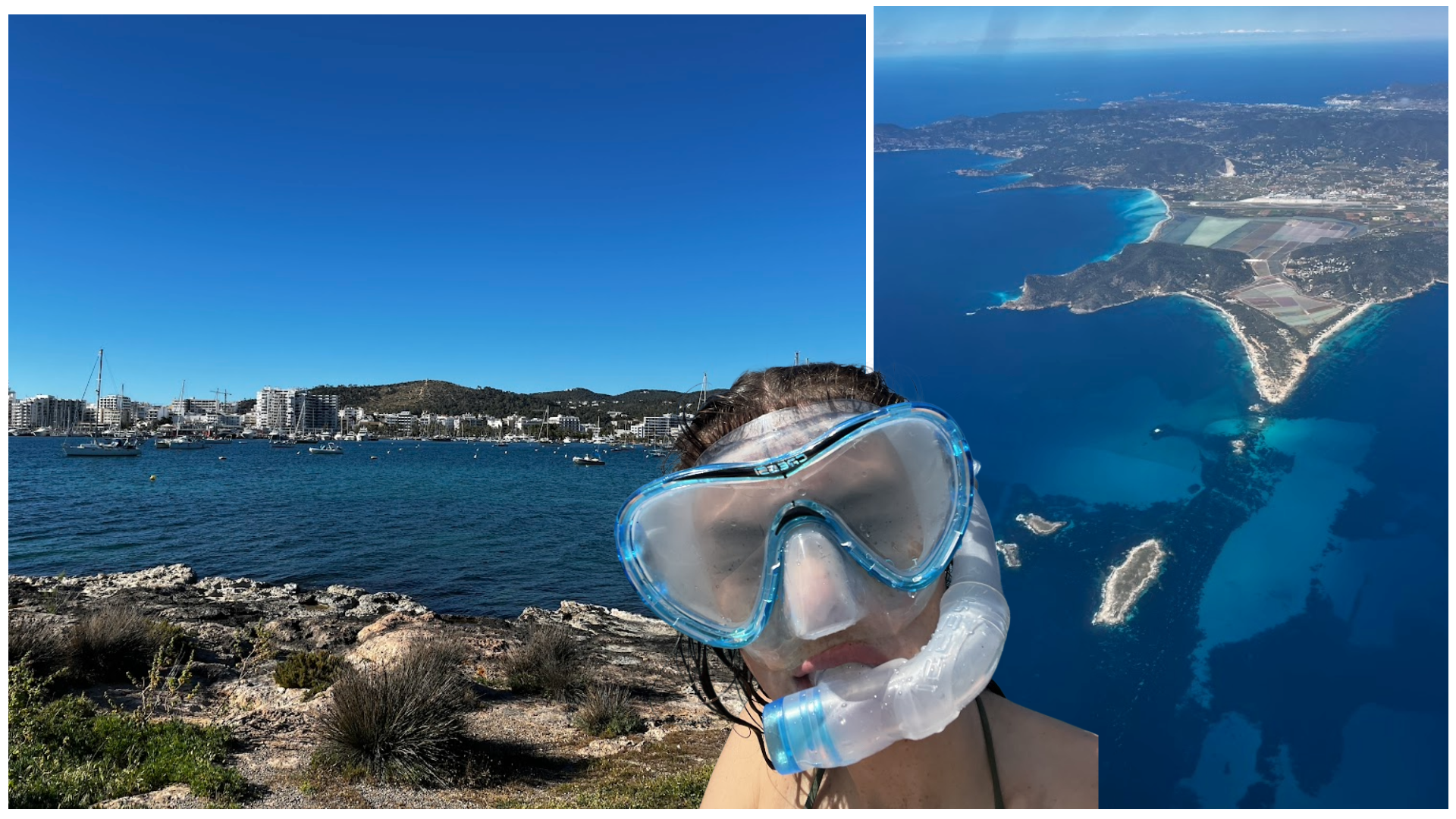
With just two days I decided to base myself in San Antonio and avoid hiring a car.
The idea was to see if the much posher sounding Sant Antoni de Portmany, to use its full local name, could be a refined short break out of season.
Of course San Antonio (and Ibiza over recent decades) has built its reputation on nightlife and partying, but the island’s second city quickly proves it has far more to offer than just clubs and late nights.
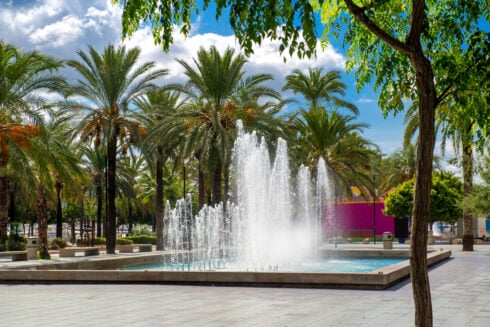
The town may not win any beauty prizes, but it is no ugly duckling like Benidorm or Benalmadena.
It does, however, have a wide natural harbour that was also, surprise surprise, loved by the Romans who named it ‘Portus Magnus’, because of its size and the shelter it provided for their ships.
The town itself is an interesting mix of old and new architecture, which when you go looking for it is surprisingly easy to find.
The 14th-century fortified church still marks the original heart of the town, while the skyline now includes the high-rise hotels that arrived during the tourism boom of the 1960s.
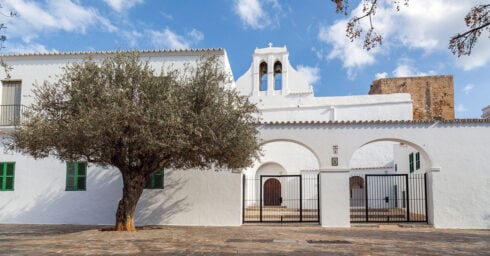
Along the waterfront runs a long promenade that is clean and easy to walk, lined with bars, cafes and some of Ibiza’s biggest clubs, which only really come alive later in the day during high season.
Much of the daytime activity centres around San Antonio’s harbour, where the coastline becomes the main attraction.
READ MORE:
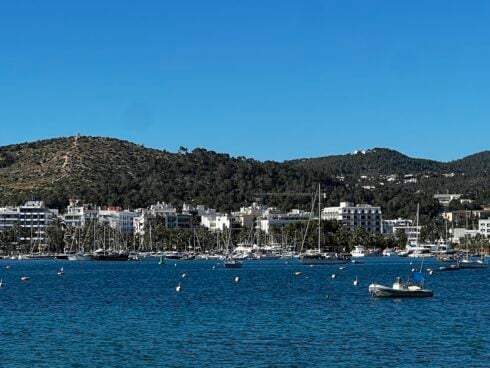
From here, visitors can head out on boat trips, hire jet skis or paddleboards, or take a slower route by kayak to reach hidden coves and caves that remain untouched by larger boats.
Out at sea, I was amazed to discover how incredibly clear the water was, thanks to the Posidonia Oceanica seagrass meadows beneath the surface, a protected ecosystem that has earned UNESCO World Heritage status.
Snorkelling here is a unique experience that feels less like a tourist activity and more like stepping into a carefully preserved natural world.
‘I loved putting on my goggles and pretending I was on Baywatch’
READ MORE: Making a splash: British pair snorkel around Spanish island of Mallorca in just 33 days
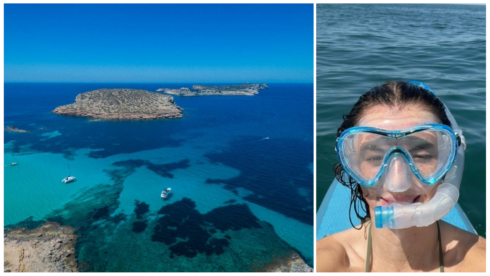
For those wanting something more active, ‘coasteering’ offers a mix of cliffside hiking, scrambling over rocks and jumping into the sea, all along Ibiza’s rugged edges.
Back on dry land, the pace slows again, especially as evening approaches and San Antonio leans into its role as the island’s sunset capital of the world!
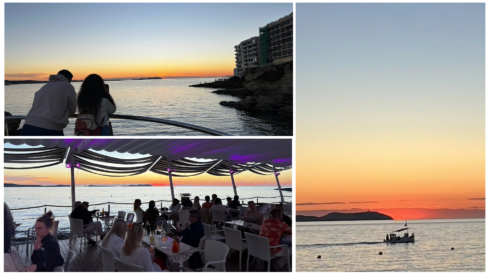
Along the nearby coastline, you find not only young people in groups but all generations with drinks and snacks, watching the sun drop and change colour over the water.
Bars and restaurants along Passeig de Ponent fill up for the same reason, offering stunning views of the sun dropping into the horizon.
The promenade itself becomes part of the experience, with people walking, cycling or rollerblading alongside the shore.
One of the most striking places to visit is the Sa Punta des Moli, nestled at the southern end of the bay and centred around a traditional flour mill that stands as a reminder of the island’s past.
READ MORE:
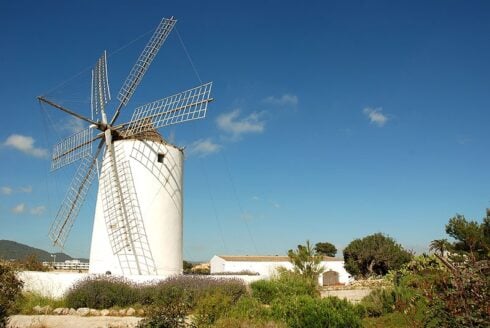
Nearby, an old olive mill, Trui de n’Andreu, has been preserved, offering a glimpse into how the island once functioned, while a typical farmhouse has been transformed into a museum and a small botanical garden and open-air auditorium add to the setting.
WHERE TO EAT
A local recommendation is Rita’s Cantina, a long-standing favourite known for its ‘non-Ibiza prices’.
READ MORE: Insider tips to the ultimate Ibiza getaway
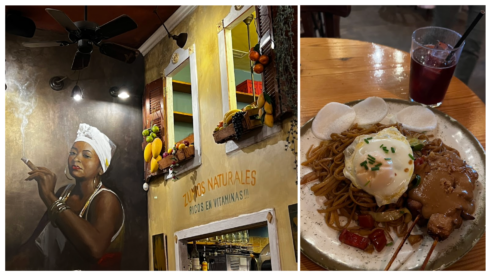
The menu is an eclectic mix of international cuisines, reflecting the owner’s Dutch roots alongside local and Asian influences, with everything from full English breakfasts to fresh smoothies and crepes served throughout the day.
Set just off the promenade, it is an easy and laid-back spot to refuel between exploring the coastline and settling in for sunset.
WHERE TO STAY
For those wanting the best of both worlds, Parco Ibiza has become a go-to, offering luxury glamping surrounded by nature just a five-minute walk from some of the island’s biggest venues.
READ MORE: TOP SPOT: Hotels in Madrid and Ibiza lead the way in a global luxury travel brand ranking
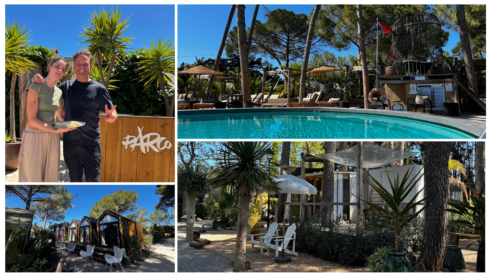
The contrast is part of the appeal, with mornings starting to the sound of birds in peaceful surroundings while still being within easy reach of the action.
You can also host private events here, including weddings, birthdays and tailor-made celebrations, while the accommodation features a restaurant led by an acclaimed chef focusing exclusively on ingredients sourced from the island, making it a strong choice for those looking to experience authentic local cuisine.
Click here to read more Spain News from The Olive Press.