
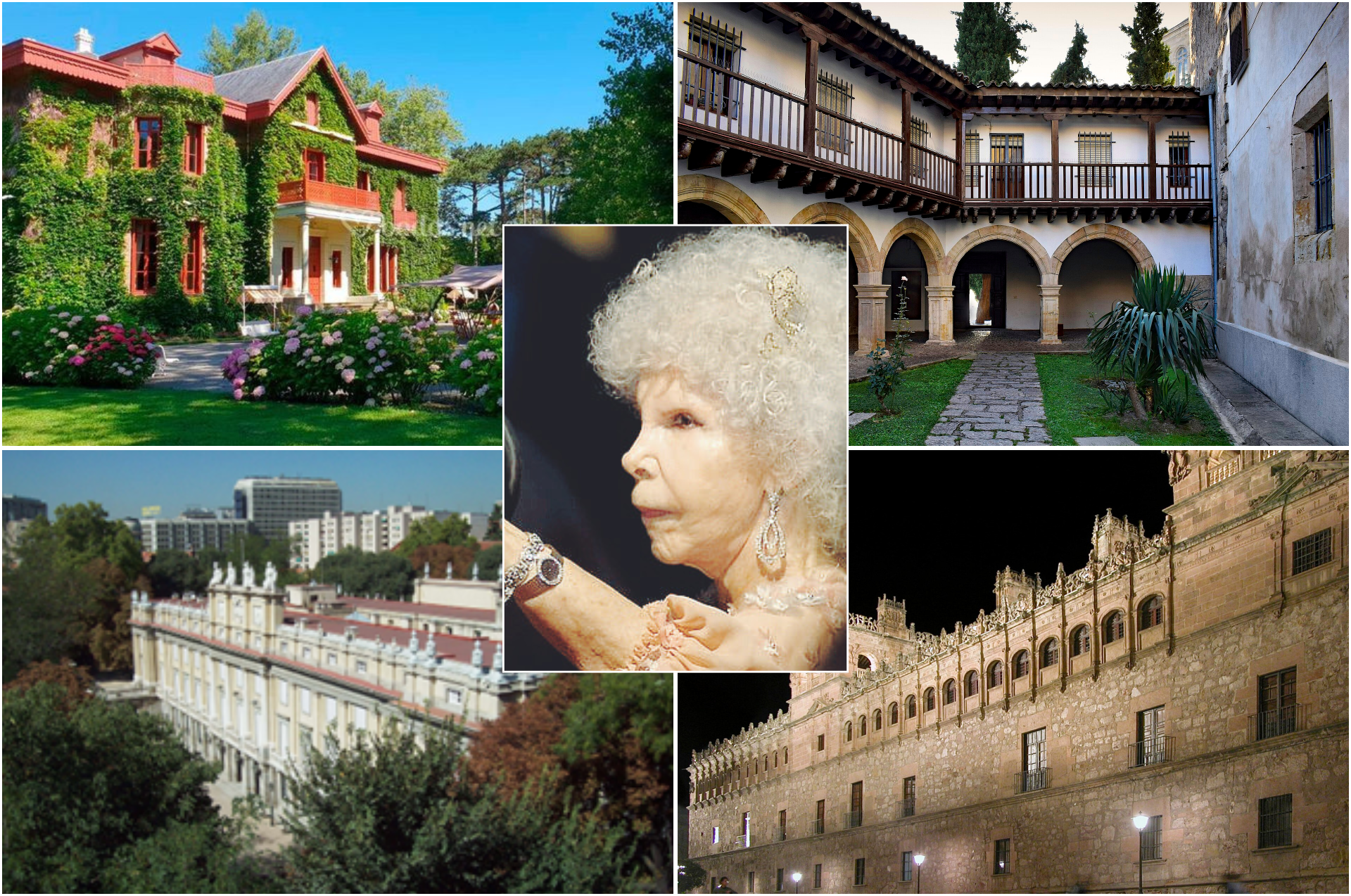
SHE became famous as Spain’s most titled woman and appropriately the life of the Duquesa de Alba is part of a brand new exhibition and related Netflix documentary this Spring.
But few know the story behind the late Sevilla aristocrat Cayetana Fitz-James Stuart, and even less can begin to contemplate the incredible riches her family have.
It was once said the duchess – who had more royal titles than the Queen of England – was so wealthy she could cross the entirety of Spain without leaving her own property.
The House of Alba, now divided between her various children, is one of the country’s oldest and most powerful aristocratic dynasties.

Its properties, scattered across Spain, are more than grand residences – they are living archives of political power, cultural patronage and shifting ideas about heritage.
The family’s fortune is estimated by Forbes at €2.8 billion and it owns 34,000 hectares across Spain, making them the country’s largest landowner.
Built on military might and royal favour since the 12th century, the family accumulated palaces, castles and a priceless art collection that puts them among Europe’s richest aristocratic dynasties.
While less than a century ago, the family has spent centuries at the very top of Spain’s power structure and commands rare influence.
But equally, the family is also surprisingly popular among the masses, much of this thanks to the late Duchess, who played a crucial role in opening many parts of the Alba estate to the public.
Known for her charisma and unconventional public image, the Duchess – who died in 2014 at the age of 88 – helped to transform private wealth into a shared cultural memory.
While for generations, these estates symbolised concentrated wealth and political power, today many of them operate as museums, opening their collections to the public while maintaining their identity as family homes.
Here the Olive Press chooses half a dozen of our favourite Alba family homes, most of them open to the public.
Madrid’s hidden treasure
The Liria Palace is hidden in plain sight in the capital, a building most tourists walk right past.
The Alba family’s principal residence in Madrid, it was nearly wiped out during the Spanish Civil War, but somehow bounced back.
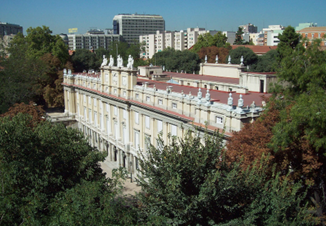
From the outside, it’s elegant but understated.
Inside? A different story entirely with one of Europe’s most impressive private art collections.
Works by Francisco de Goya and Diego Velazquez hang alongside family archives.
Now open daily, it offers a rare peek into how Spain’s elite really lived – and still live.
Salamanca Renaissance
The Monterrey Palace stands as a masterpiece of Spanish Renaissance architecture.
It is one of the best examples of civil architecture and one of the greatest exponents of the so-called Plateresco style.
READ MORE: Spain’s richest man becomes the world’s number one landlord with €21bn real estate empire
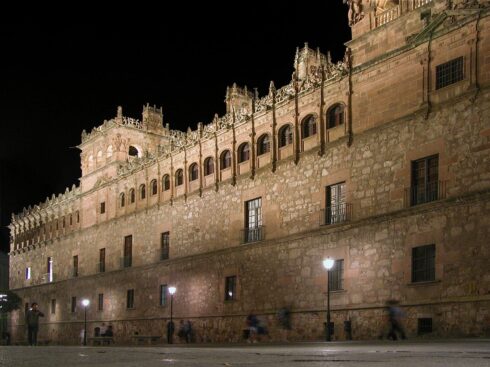
With its ornate façades and symmetrical design, it reflects the aesthetic ambitions of a family deeply invested in art and prestige.
Unlike some historic estates that have become fully public institutions, Monterrey remains partly inhabited by the Alba family, but can still be visited daily.
A Salamanca monastery
Often overshadowed by the family’s grander palaces, the Las Dueñas Monastery offers a quieter glimpse into the historical reach of the Alba family.
Rather than serving as a residence, the Gothic-Mudejar and Renaissance building reflects the dynasty’s long-standing ties to religion.
Founded in the 15th century and still home to a community of Dominican nuns, it stands as a reminder that aristocratic influence extended well beyond lavish homes into the spiritual and social fabric of the country.
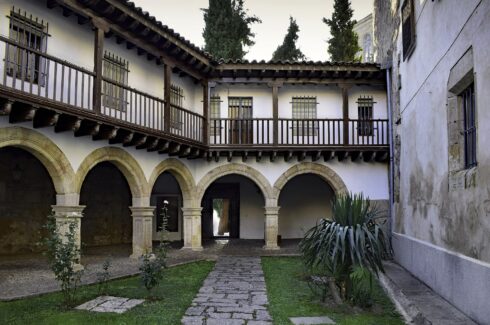
With its cloisters full of orange trees, intricate stonework and serene atmosphere, Las Dueñas contrasts sharply with the opulence of Alba palaces – yet it underscores the same legacy of power, patronage and continuity.
It was the birthplace of celebrated poet Antonio Machado, adding a literary dimension to its history and is open to visit daily.
San Sebastian: geographic breadth
On a leafy hill in San Sebastian, the Arbaizenea Palace is one of the lesser-known jewels in the Alba property crown – and all the more intriguing for it.
Exquisite, it remains largely private, giving it an air of mystery that fits perfectly with the discreet elegance of the Basque city it overlooks.
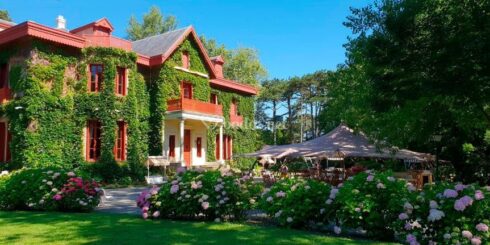
It is typically associated with seasonal stays, family gatherings and private use, reflecting a different side of the Alba lifestyle – less about showcasing heritage and more about maintaining a functional, lived-in home.
Surrounded by 15 hectares of manicured gardens, off the tourist trail, it is rarely open to the public, but can however be rented for private events and weddings.
Marbella getaway
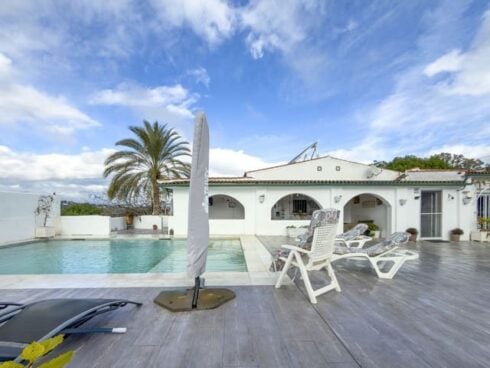
Compared to the headline-grabbing palaces of the dynasty, the Las Cañas Estate offers a more understated glimpse into how the Alba family lives away from the spotlight.
This coastal property is less about gilded halls and Old Master paintings, and more about privacy, leisure and location.
Fernando, the fourth son of the Duchess, inherited it during his lifetime and it was the family’s meeting place for decades.
While not open to the public it can be rented for an eye-watering €35,000 a month.
It was reportedly the Duchess’s favourite home.
Click here to read more Spain News from The Olive Press.