
SCIENTISTS have identified the coasts of Almeria and Alicante as vital sanctuaries for threatened sharks.
A study by Spain’s National Research Council (CSIC) found the areas are critical for the survival of endangered species in the western Mediterranean.
They discovered the waters off Almeria and the Gulf of Alicante act as essential corridors for feeding, migration and reproduction.
The areas connect marine populations across the region due to unique underwater geography and ocean currents.
Sharks are among the most threatened animals on the planet, according to the International Union for Conservation of Nature.
They play a crucial role in maintaining the balance of marine ecosystems.
Sharks don’t dominate the ocean, but they prevent any group of animals from becoming too dominant, which keeps marine ecosystems stable and diverse.
In Spain’s waters (both the Mediterranean and Atlantic), sharks are fairly common offshore.
However, they usually stay in deeper, open waters and avoid crowded coastal areas.
Shark sightings near Spanish beaches only happen a handful of times each summer.
According to the International Shark Attack File, only about 40 unprovoked shark attacks have taken place at Spanish beaches over the last century.
The COTI project used satellite tracking, genetic analysis and biological testing to monitor the marine life.
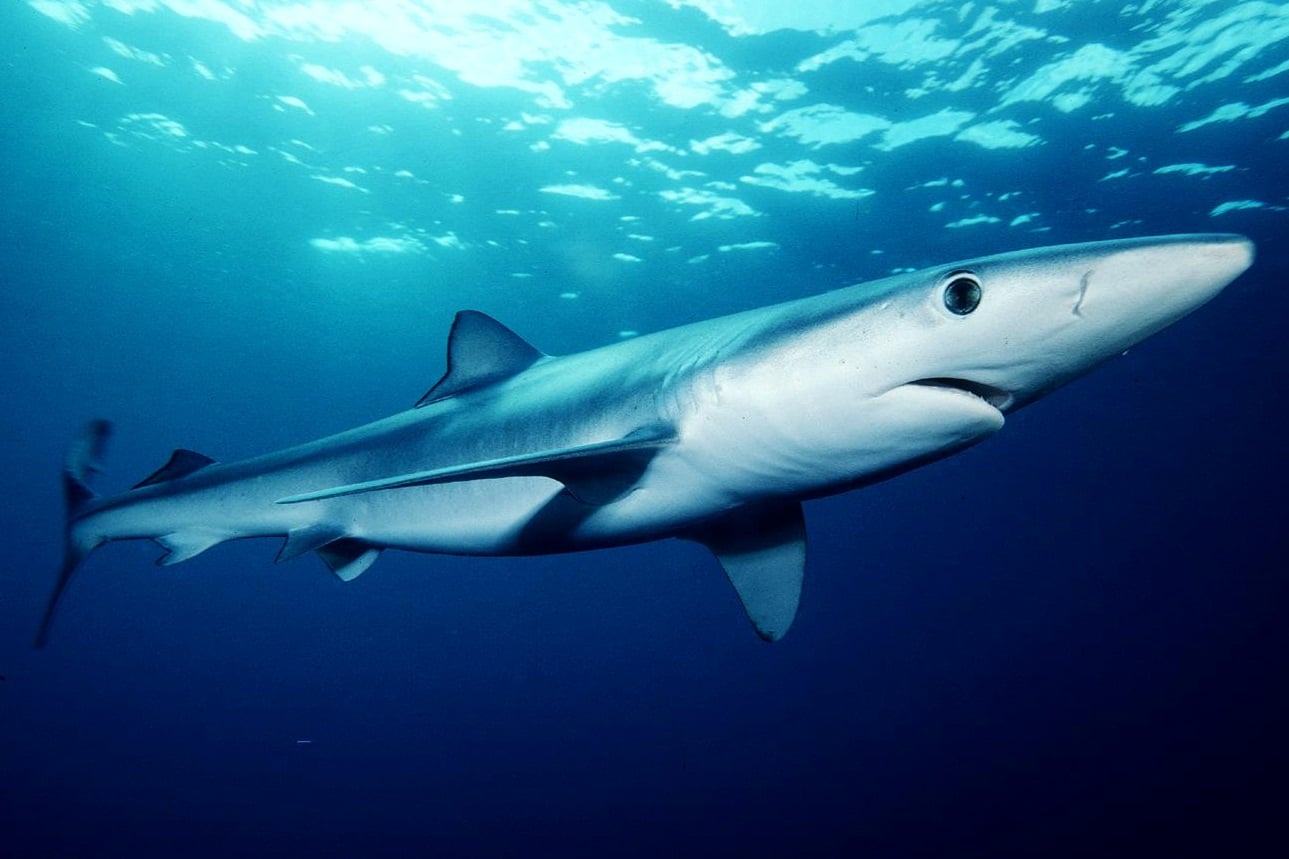
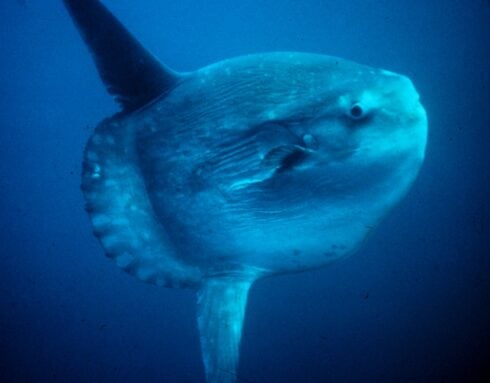
Species studied included the Prionace glauca (Blue shark), Hexanchus griseus (Sixgill shark) and Mola mola (Sunfish).
READ MORE: Is it true that great white sharks swim in Spain’s waters off the Costa del Sol?

Scientists also analyzed samples from Isurus oxyrinchus (Shortfin mako shark) and Xiphias gladius (Swordfish).
Data shows that marine animals rely on interconnected zones rather than isolated habitats.
Sergi Taboada, biologist of the National Museum of Natural Sciences, said the work is key to understanding population connectivity.
He said the information determines whether different groups belong to the same stock, which is essential for future management.

The local fishing industry collaborated with scientists by tagging and releasing specimens and collecting samples at sea.
Researchers said this partnership is crucial for balancing conservation with sustainable fishing practices.
The study concluded that Almeria and Alicante must be prioritised in future marine protection policies.
Click here to read more Spain News from The Olive Press.