

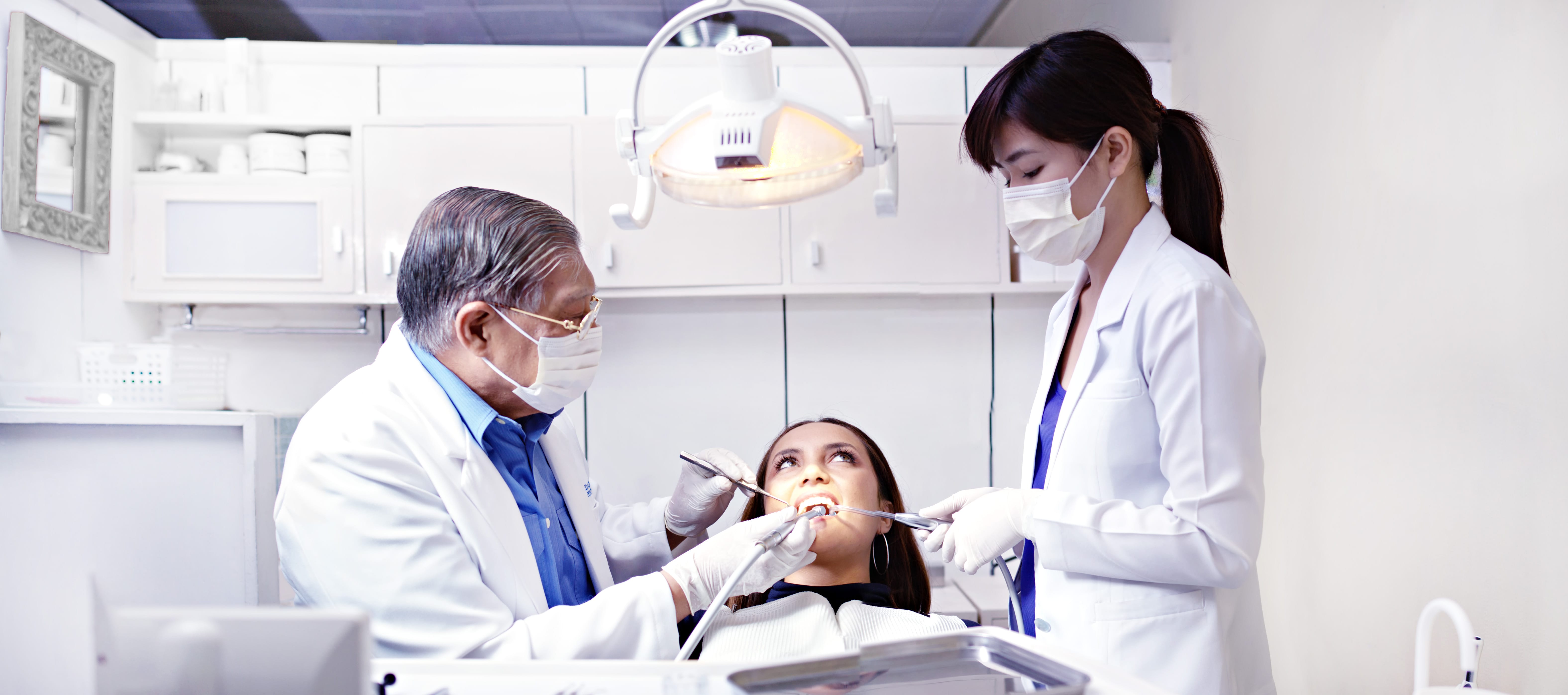
SPAIN’s government has approved €60 million to expand public dental care, targeting pensioners and other vulnerable groups in a move it says will help reduce healthcare inequality.
The funding will be distributed to Spain’s autonomous regions to widen access to dental treatment through the public health system.
Health officials said the money will help strengthen coverage for children, pregnant women, people with disabilities and certain cancer patients, while continuing efforts to bring more over-65s into the system.
The move comes amid growing concern over the cost of dental treatment in Spain, where the vast majority of care is still paid for directly by patients.
According to figures cited by the Health Ministry, around 98% of dental costs in Spain are paid out of pocket by families – roughly three times the European Union average.
The latest investment forms part of a broader government strategy to expand public oral healthcare coverage nationwide.
Madrid previously allocated €68 million in 2025 to begin extending dental services to older people, while a wider national oral health plan has already directed hundreds of millions of euros towards preventive care and vulnerable groups.
Under the scheme, regional governments will receive funding based on the size of eligible groups within their populations, including children under 15, pregnant women, people with disabilities and patients undergoing treatment for cancers affecting the head and neck.
Part of the new funding will also specifically target Spain’s ageing population, with 10% of the allocation linked directly to the number of residents aged over 65 in each region.
READ MORE: Five heat-related deaths recorded in northern Spain during unprecedented May heatwave
The government says recent expansions have already increased dental coverage among key groups, with services now reaching around 30% of children and teenagers, 25% of pregnant women and a growing number of pensioners.
Spain’s oral health plan includes free check-ups, preventive treatments, extractions, emergency dental care and screenings for oral diseases through the public health system, although treatments such as orthodontics, implants and cosmetic procedures remain excluded.
Alongside the dental funding, the government also approved a further €172 million investment in primary healthcare services, aimed at modernising equipment, improving diagnostic capacity and introducing new technologies including AI-assisted consultation tools.
Health experts have long warned that poor access to dental care remains one of the biggest gaps in Spain’s public healthcare system, particularly among older residents and lower-income households.
Click here to read more Health News from The Olive Press.