BEACHES on the Costa del Sol and in Gibraltar have come under bacteria warnings this week.
The warnings have landed in the middle of peak summer, with beaches on both sides of the Strait packed with holidaymakers.
Malaga’s Pedregalejo and El Palo beaches, both on the city’s eastern seafront, were closed to swimmers on Thursday after tests found E. coli, a bacteria that lives in the human gut and signals sewage contamination, at levels above Spain’s legal safe limit.
They reopened on Friday once new samples from the Junta confirmed the bacteria had dropped back within safe levels.
The closure triggered Spain’s red-flag protocol, a mandatory swimming ban that stays in force until health inspectors confirm the water meets standards.
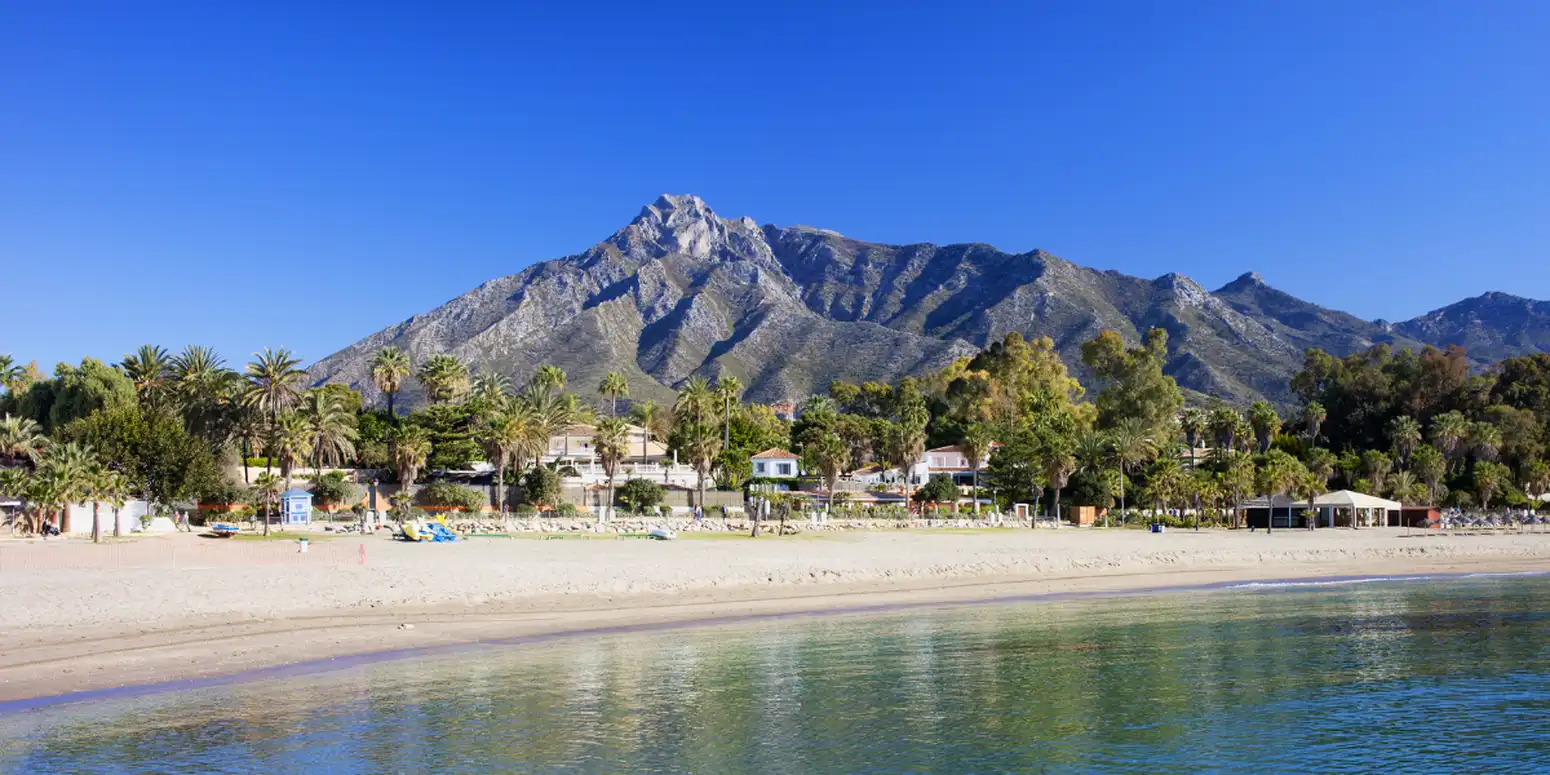
In Marbella, health inspectors flagged a rise in intestinal enterococci, another gut bacteria used to test seawater for sewage, in a sample taken on Monday, July 20 from waters off Los Monteros, El Cable and Rio Real, a stretch of the town’s eastern seafront a few kilometres from the centre.
However unlike in Malaga, no red flag was raised.
Marbella council said the recommendation to avoid swimming applies only to a single marked-off stretch of water, not the beaches themselves, which have remained open throughout.
Early reports on Friday described the contamination as E. coli above the legal limit, but the council said those E. coli readings were in fact compliant, and that initial signs on the enterococci count were not elevated either.
Final results are due on Monday, July 27, when health authorities will decide whether to lift the recommendation.
The council also hit out at ‘inaccurate’ claims spreading on social media and messaging apps, which it said were causing unnecessary alarm among residents and visitors.
READ MORE: Marbella nightlife turns to terror as armed man goes on knife attack before police arrest
Further along the coast in Gibraltar, the same bacteria triggered a harder response: its Department of Environment raised the red flag at Western Beach, on the Rock’s bay-facing west side, after finding intestinal enterococci during routine testing on Friday.
It is advising against all swimming there until further notice. All of Gibraltar’s other beaches passed their tests and remain open.
The department called the detection ‘unusual’ and said it was investigating the cause ‘as a matter of urgency.’
It said the source could be the same one behind an earlier, unspecified contamination problem ‘from north of the border’ — or simply the result of seagull droppings.
Click here to read more Costa Del Sol News from The Olive Press.