
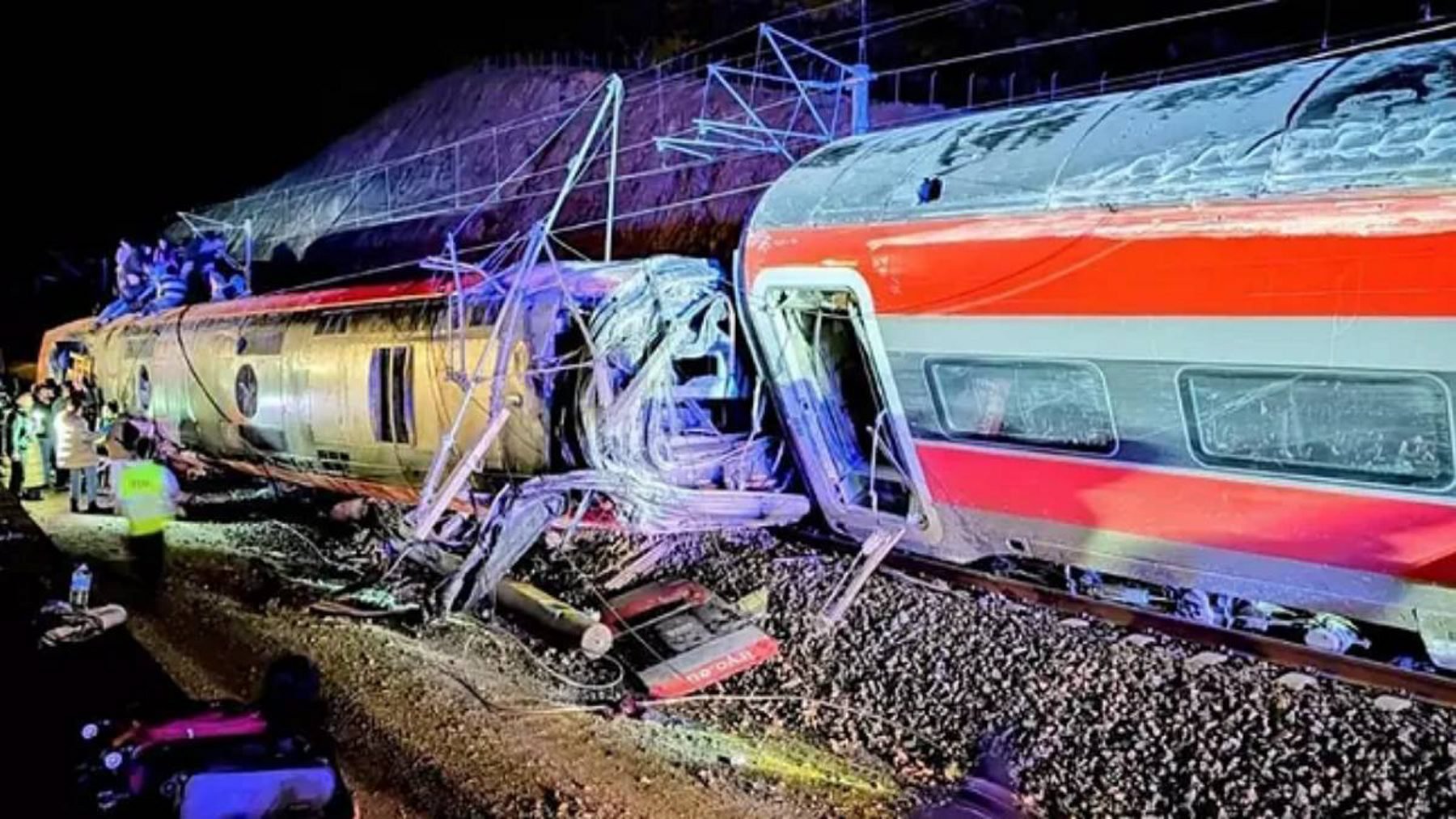
INVESTIGATORS are focusing on the heart-stoppingly short interval between which a train heading north from Malaga to Madrid derailed – and smashed into another train heading south to Huelva.
Those twenty seconds are now the key figure being analysed in the deadly collision near Adamuz, Cordoba, which left at least 39 people dead and scores injured.
Spain’s rail operator Renfe says that was the short window between the derailment of the Iryo high-speed train and the moment it was struck by the oncoming Alvia service travelling in the opposite direction.
READ MORE: Spain’s PM Pedro Sanchez to visit train disaster crash site where at least 39 people died

According to Renfe president Álvaro Fernández Heredia, the Iryo train derailed for reasons still unknown and ended up occupying the adjacent track, leaving the Alvia with almost no time to react before the fatal impact.
He has warned that determining the exact cause of the derailment could take several days, stressing that the circumstances of the crash are “rare and difficult to explain”.
Fernández Heredia said the limited time gap meant neither the driver nor the automatic safety systems were able to prevent the collision.
The Alvia was travelling at more than 205 km/h at the time, a speed that was within the permitted limit for that stretch of line, he added.
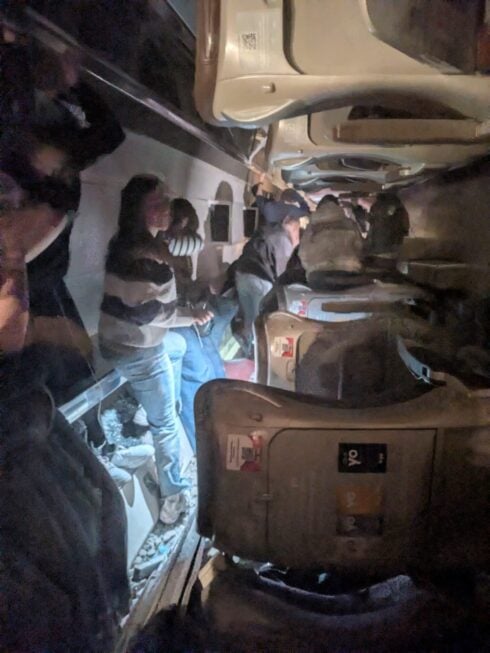
He also indicated that the signalling and track-based safety mechanisms designed to detect an occupied line did not have enough time to activate before the impact occurred.
Transport minister Oscar Puente has echoed the view that the crash is “strange”, noting that it happened on a straight section of track that had been renewed in May 2025.
The Iryo train involved, a modern Frecciarossa 1000 model built in 2022, had undergone routine maintenance just days before the accident.
Investigators are now examining whether a fault in the rolling stock, the infrastructure, or another technical factor caused the initial derailment.
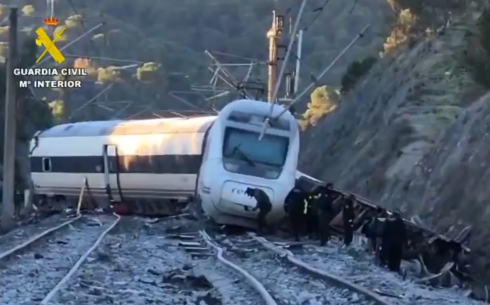
The technical inquiry is being led by the Commission for the Investigation of Railway Accidents, which operates under Spain’s Transport Ministry.
A parallel judicial investigation has been opened by a court in Montoro, Cordoba.
Fernández Heredia has urged caution against speculation while forensic work continues, saying that only a detailed analysis of data recorders, track conditions and mechanical components will provide reliable answers.
Rail services on the Madrid-Andalucia corridor remain heavily disrupted as recovery and inspection work continues at the crash site.
Click here to read more Andalucia News from The Olive Press.