

The UK’s new border control system ETA comes into effect on February 25th, meaning new rules will be enforced for EU nationals when travelling to British airports.
This issue has raised questions among those in Spain who have dual nationality. What passport should they travel on? And will they be denied entry to the country if they do not have a valid UK passport?
Here we try to unpick the complicated issue and provide answers.
WHY NOW?
The Electronic Travel Authorisation (ETA) system has been on the cards since Brexit. It was introduced for EU nationals last spring but the ‘tolerance period’ comes to an end in late February when it will be necessary for those non-Brits to show authorisation to airlines, ferry and train operators, before starting their journey to the UK.
“Visitors to the UK need an Electronic Travel Authorisation (ETA) if they do not need a visa for short stays of up to six months, or do not already have a UK immigration status,” explains the UK’s Home Office website.
“From 25 February 2026 eligible visitors without an ETA will not be able to board their transport and cannot legally travel to the UK.visiting the UK to show either a visa or for those EU nationals on a short visit, a visa waiver.”
From 25 February 2026 eligible visitors to the UK can’t legally travel without an Electronic Travel Authorisation. Find out more at https://t.co/EjuG34rm94. pic.twitter.com/D5NhcAmh81
— UK Visas & Immigration Official (@UKVIgovuk) February 9, 2026
The ETA process can be carried out simply online – with the recommendation that it is applied for at least three days before travel – but it is ONLY for those who are not UK citizens or do not have the right to live there.
SO WHAT ABOUT THOSE WITH DUAL NATIONALITY?
Many British residents in Spain chose to apply for Spanish citizenship after the Brexit vote, and after no doubt going through a lengthy process that can take up to three years, can happily brandish a Spanish passport and skip through the EU national queue at the airport on arrival in Spain.

But Spain only recognises dual nationality for certain countries (mostly its former colonies) and those with a British passport have to make a formal declaration to the Spanish Civil Registry that they renounce their British nationality in order to obtain Spanish nationality.
While this does not mean that you are asked to inform the British government that you are actually renouncing, it means that you can no longer legally claim to be British while in Spain.
WHAT DOES THAT MATTER?
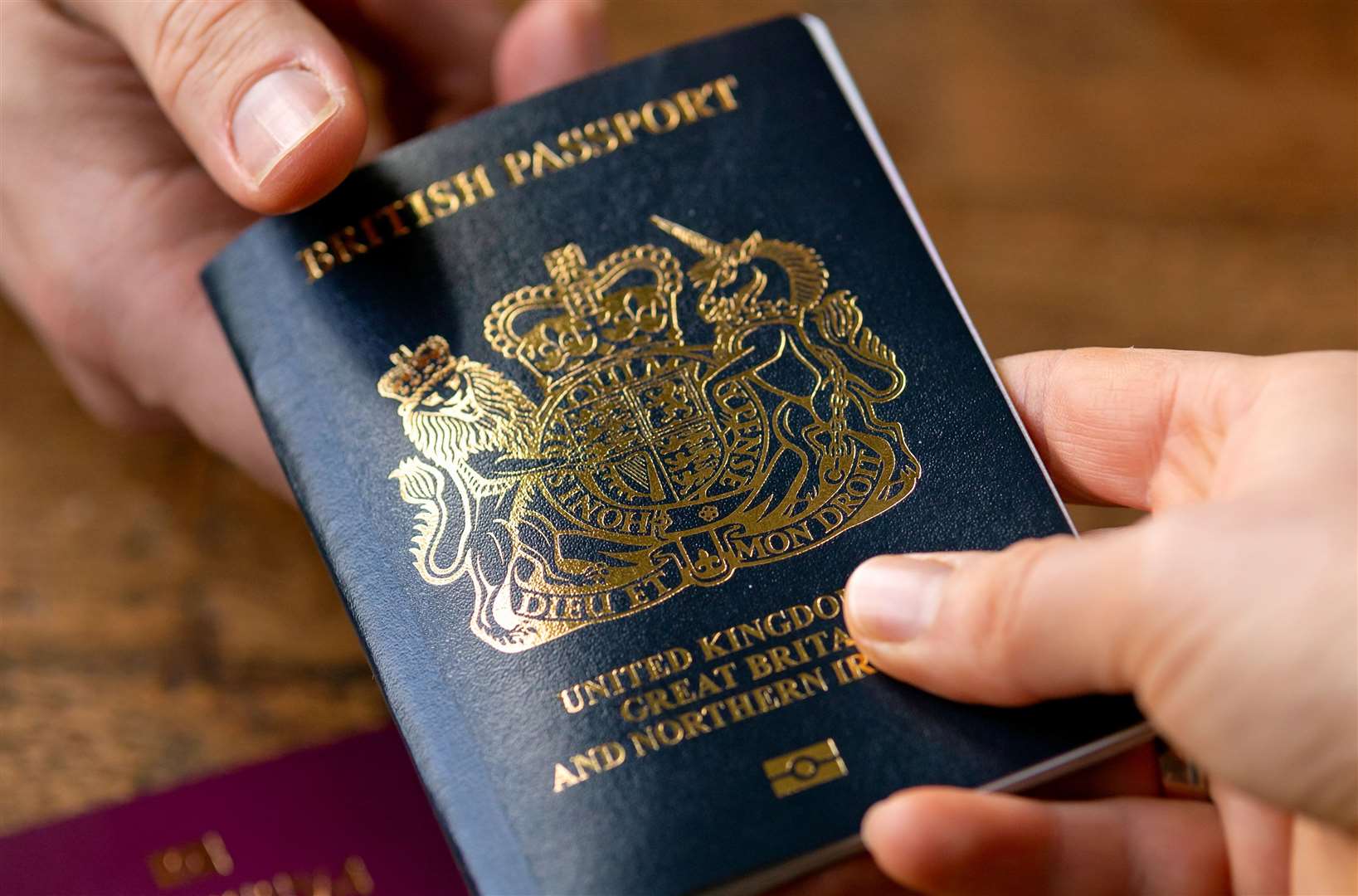
Under the new ETA rules, British dual nationals have been targeted with official messaging suggesting that they will only be able to enter the UK if they have a valid British passport or a certificate of entitlement – a document that must be applied for in person at a consulate and can take between six to eight weeks to be processed at a cost of €634.

This means that they shouldn’t let their British passport expire in the belief that they can exclusively travel on their Spanish one when visiting the UK.
The Olive Press sought clarification from the British Embassy in Madrid on the issue and were told ““Dual citizens with British or Irish citizenship are exempt from needing an ETA. When travelling to the UK, British citizens must carry a valid British passport or certificate of entitlement.”
“The United Kingdom permits dual citizenship, and the UK has no objections to individuals holding British nationality alongside the citizenship of another country. Specific questions around the rules on dual nationality are a matter for the relevant country’s authorities,” a spokesman said.
CAN’T I JUST USE MY SPANISH PASSPORT?
So, if you find out your passport has expired or haven’t bothered to renew it, you might be tempted to just travel on your Spanish passport and complete ETA registration like all the other Spaniards at a fee of €19.
However, you will be asked whether you have any other nationalities when applying but there is no option on the app to select for UK nationals (options listed include British Citizen (Overseas) or British Subject which only apply to small groups of people such as those born in Hong Kong).
You could simply fail to declare that you have another nationality but this would be making a false declaration, so the official advice is: Travel into the UK using a valid British passport.

WHAT DOES SPAIN SAY?
For those ‘dual citizens’ it might seem a bit murky. Can those who have officially told Spain they renounce British nationality travel to and from Spain on a British passport?
According to Spain’s Foreign Ministry the answer is unequivocally ‘yes’ even though Spain doesn’t recognise you dual nationality.
A webpage explaining the new rules states that you are exempt from the ETA if ‘you are a British or Irish citizen, or you hold dual nationality.’
It states: “If you hold dual Spanish and British or Irish nationality, you can travel with your Spanish passport, but you must carry your British (or Irish) passport with you or have a certificate of entitlement in your Spanish passport.”
USE BOTH
Don’t be tempted to just travel on your British passport though, or you will be forced into the non-EU queue and risk getting your passport stamped and fall under the limitations of the 90 day-rule.
The UK offers this guidance on the matter. “Always carry your passport and residence document (TIE) when entering, leaving or travelling within the Schengen area. If you’re asked to show your passport at border control, make sure you also show your residence document or other evidence of residence status. Your passport may be stamped if you do not.
“If you have dual citizenship of an EU or European Free Trade Association (EFTA) country, you should enter and leave Spain using your EU or EFTA passport.”
READ MORE:
- Spain dishes out fresh travel advice for citizens visiting the UK as major visa overhaul comes into effect
- Immigrants in Spain could be required to speak Spanish to B2 level in order to claim Spanish nationality
Click here to read more Olive Press Travel News from The Olive Press.