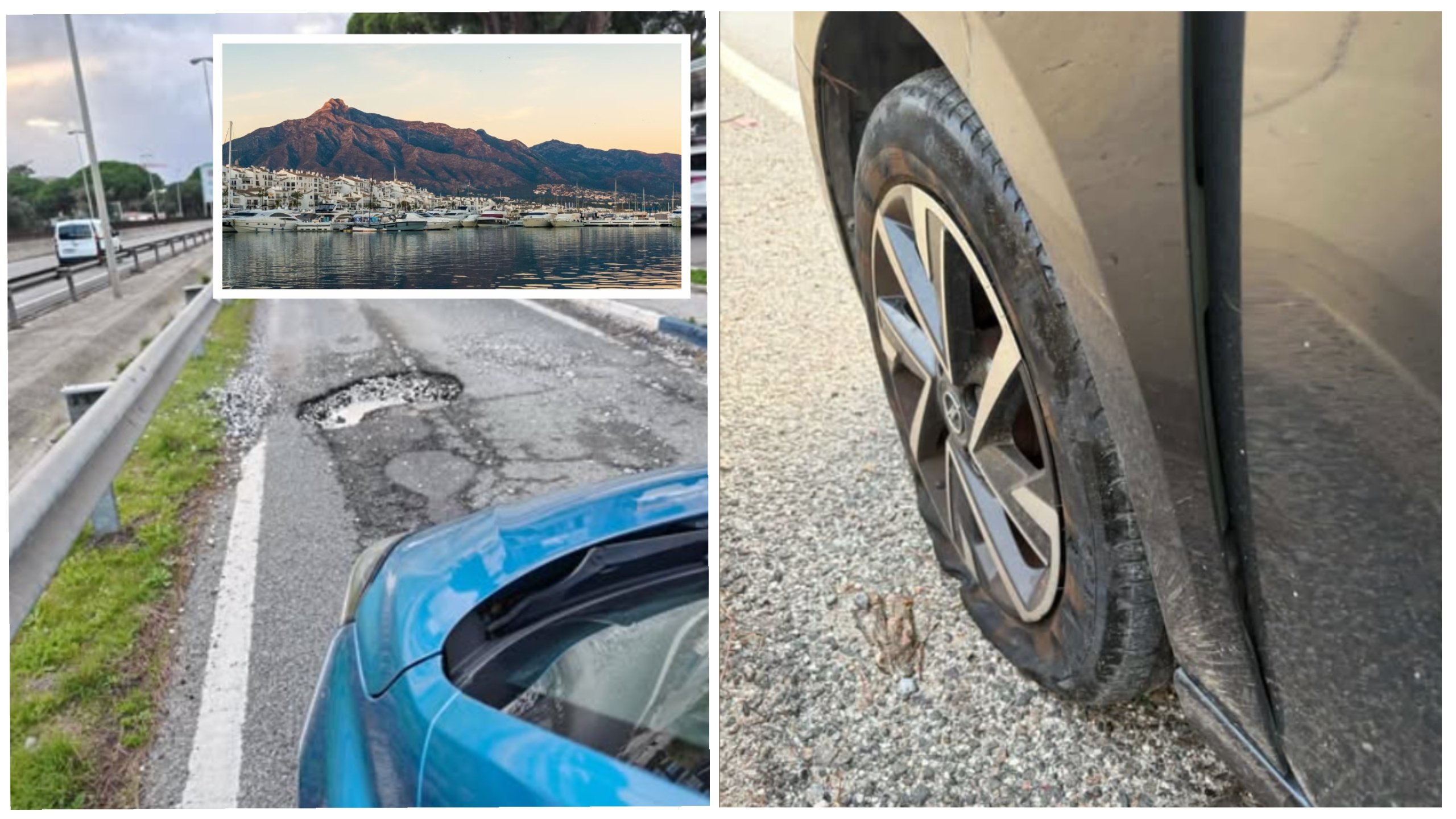
HUNDREDS of potholes have appeared on Costa del Sol motorways after recent storms, prompting safety warnings and growing frustration among drivers.
The A-7 and several other roads now have more than 300 pits of varying sizes recorded between Marbella and Estepona.

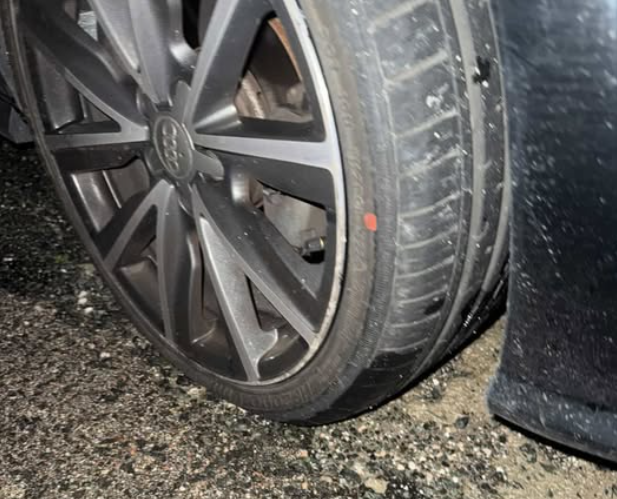
Motorists have flooded social media with images of damaged tyres, buckled rims and vehicles stranded on the hard shoulder after hitting deep craters in the road surface.
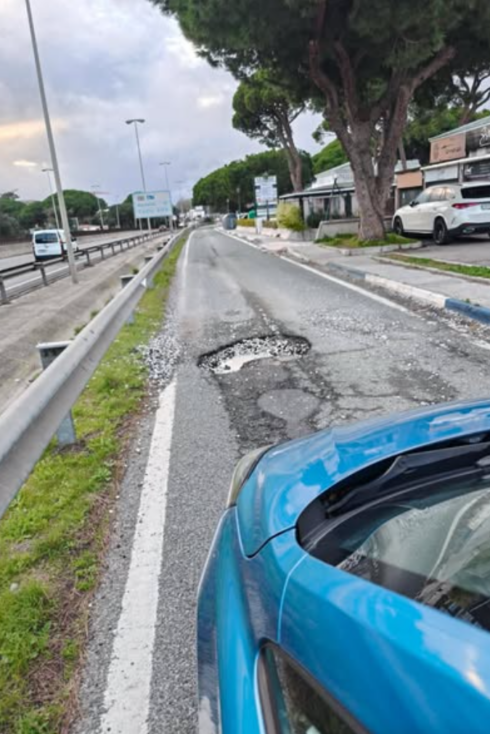
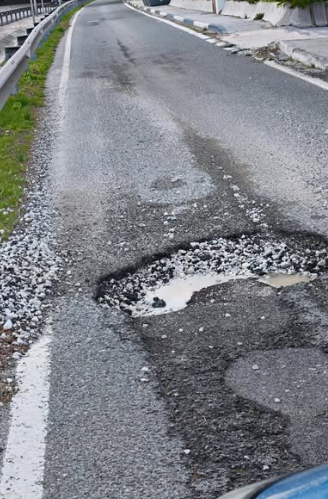
In the Facebook group ‘Marbella se queja‘ (‘Marbella complains’), drivers have shared videos of cars swerving to avoid multiple potholes in quick succession, while others report dangerous sinkholes forming where the asphalt has collapsed.
READ MORE: Spain’s rail safety under scrutiny after Cordoba crash – as passengers report worrying vibrations on high-speed trains ‘for over a year’

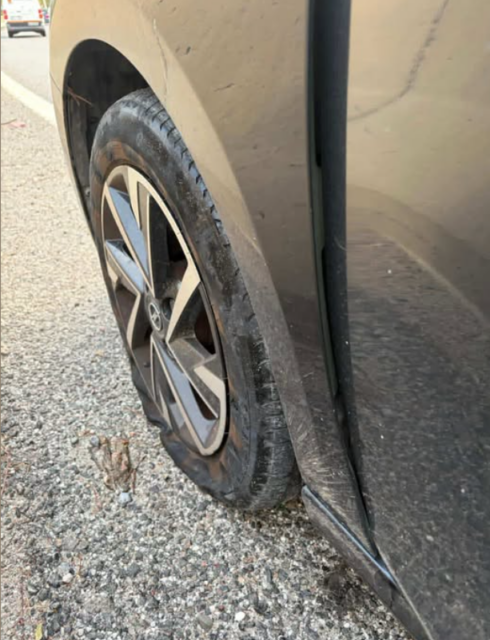
Several motorists say they suffered blowouts at motorway speeds.
One Marbella resident told The Olive Press she was stunned by the amount of potholes on Spanish roadways after experiencing a flat tyre on Monday.
She said: “It was quite shocking – and honestly scary. You’re navigating high winds and rain at 70 to 100km per hour, and there are monster potholes right where your wheels are supposed to go.”
“You can’t just swerve at that speed, especially if there’s a car in the lane next to you. It’s terrifying,” she added.
The local resident compared road conditions to her hometown in Scotland, claiming that she had always considered Spain’s infrastructure to be superior to the UK’s, but was surprised to find out the opposite.
The driver had to call for emergency services to come assist with her vehicle.
READ MORE: Storm Nelson arrives to Spain: Rain, strong winds and rough seas predicted for much of the country
Estepona Town Hall has launched complaints to Spain’s central government, insisting there is still ‘no project, no planning of works and no concrete budget’ to urgently repair the damaged A-7.

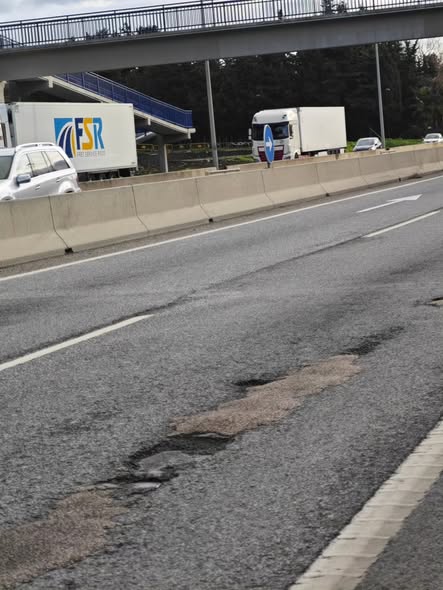
The Ayuntamiento de Estepona said technicians identified more than 300 points that required immediate intervention.
The council stressed that the A-7 falls under the jurisdiction of the national government – not the town hall – meaning Madrid is responsible for maintenance and repairs.
Meanwhile, Estepona says it is urgently repairing storm damage on urban roads under its control, with a full incident map already prepared by municipal technicians and local police.
READ MORE: WATCH: Moment poker player’s yacht bursts into flames off Spain’s Formentera as huge plumes of smoke billow into the sky and are visible from Ibiza
But unlike local streets, major motorways such as the A-7 are state roads managed by Spain’s central government.
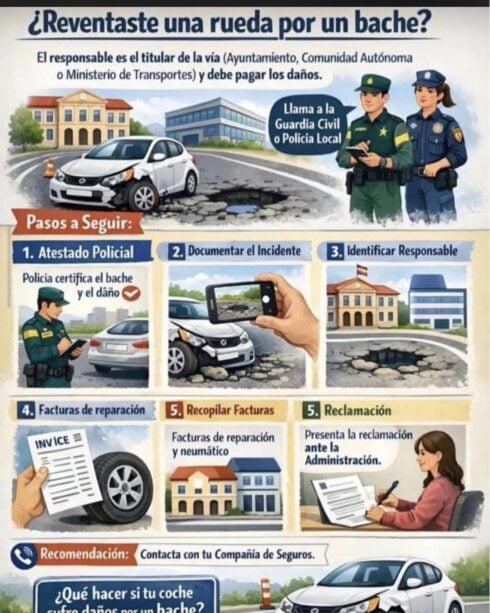
Under Article 106 of the Spanish Constitution, individuals have the right to be compensated for damage to property caused by the operation – or failure – of public services.
Although poor road conditions rarely appear in official DGT accident reports as direct causes of crashes, potholes, degraded surfaces and inadequate signage are widely recognised safety risks.
READ MORE: Fresh flood fears for Malaga as Storm Nils set to drench the Serrania de Ronda – and overflow the Montejaque dam?
That means any compensation claims for vehicle damage must be directed to the relevant road authority – not the local council.
If you suffer a flat tyre or other damage to your vehicle, experts advise to follow the PAS protocol:
Drivers should report dangerous road conditions to official social media channels or consumer associations that forward complaints to relevant authorities.
With the Costa de Sol heavily reliant on daily commuter traffic and tourism, anger is growing.
READ MORE: Malaga’s Montejaque dam: How a 100-year-old engineering mistake has come back to haunt the Guadiaro Valley
For now, drivers are being urged to proceed with extreme caution – particularly in wet conditions where standing water can conceal deep craters in the asphalt.
Click here to read more Spain News from The Olive Press.