

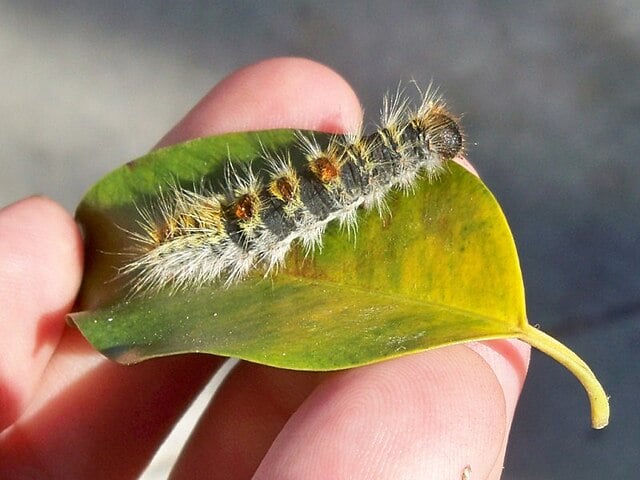
PARENTS and dog owners should take extra care when out in the wilderness on the Costa del Sol, scientists have warned, as scores of poisonous caterpillars are set to swarm through the area in March.
Expert Jose Manuel Moreno-Benitez, of Andalucia’s Society of Entomology, says pine forests in Marbella, Mijas, Torremolinos, and the Gibralfaro mountains in Malaga city are likely to bristle with the insects following this year’s warm winter.
The warning also applies to pine forests across the Costa del Sol, experts have added, including Doñana National Park, the Sierra de Grazalema, and the Aznalcazar area in Sevilla.
Processionary caterpillars are covered with toxin-laden bristles, Moreno-Benitez explained, which can cause allergic reactions in young children and pets.
READ MORE: Spain’s first total solar eclipse in 100 years is coming – is YOUR home in the path of totality?
While adverse effects are generally mild in humans, the toxin can cause a dog’s lungs to shut down if inhaled – meaning dog walkers should avoid areas with a heavy caterpillar presence.
“Of course this is a downside to caterpillars,” Moreno-Benitez told MalagaHoy, “but they are part of our ecosystem, and we must learn to live with them.”
Butterfly and moth eggs normally hatch into caterpillars between February and March – and this year, thanks to January’s mild temperatures across Andalucia, many more are believed to have survived the winter than in previous years, entomologists say.
This means pine forests across the region are likely to swarm with the insects until early April, when caterpillars usually retreat into their cocoons before turning into butterflies or moths in late August.
For the next couple of months, ramblers are likely to spot caterpillars crawling on the forest floor as they search for the perfect sandy spot to spin their cocoons.
But if dogs sniff them or gobble them up, they are likely to suffer severe allergic reactions – meaning dog owners should avoid pine forests for as long as the alert remains in place.
Moreover, on windy days, caterpillars’ moults can be blown into a person’s mouth, nose, or eyes – often causing allergic reactions that can particularly affect children.
READ MORE: Tram or electric bus? New rapid transit system planned to solve Campo de Gibraltar daily gridlock
Click here to read more Green News from The Olive Press.