

A NEW biometric system and a lack of staffing at Alicante airport has pushed border officers to breaking point, Spain’s police union has claimed.
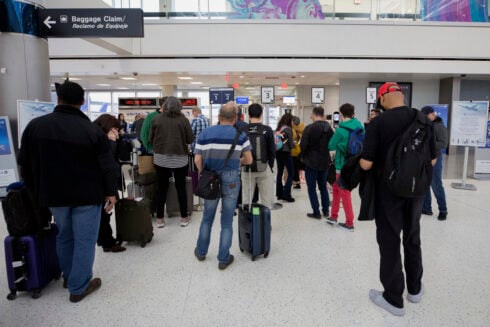
Since the EU’s new Entry/Exit System (EES) for travellers from third countries came into force last October, passenger queues have regularly reached 500-strong, said JUPOL, the union for Spain’s Policia Nacional.
The added queues and issues are pushing workloads for border agents to unsustainable levels while multiplying delays at one of Spain’s busiest airports for international tourism.
The total workforce at the airport is approximately 130 agents, with around 80% assigned to frontline passport control duties.
“If these new machines, instead of easing the workload, generate more work, you need more police,” one agent said.
“We might need between 10 and 15 more officers to properly cover all shifts.”
Agents are now warning of operational chaos as Easter travel begins.
The new system is causing widespread disruption, particularly at an airport heavily reliant on UK passengers.
The EES replaces traditional passport stamping with biometric checks for non-EU travellers.
At first entry, passengers must provide fingerprints, a facial photograph, and document data, significantly increasing processing time per passenger.
Border agents say: “Instead of taking away work, it has increased it; we are under a lot of pressure.
“But in the end, it is the traveler who pays the consequences.”
Elderly passengers are especially affected by the machines. Their fingerprints can be worn down, which results in failed scans.
They get redirected to the police officers, forcing them to queue twice, only to receive the same passport stamp that the system aims to replace.
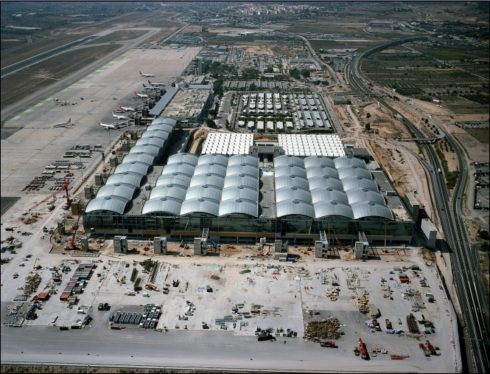
At peak times, queues of up to 500 people can form at border control points.
“Airlines tend to schedule flights at certain times, and queues of 500 people can form at the controls.
“You can’t even leave your post for a moment or step away without leaving a colleague exposed,” union sources explained.
The situation is worsened by the airport’s layout, with arrivals distributed across three different control points.
This forces officers to split resources, worsening shortages as the machines add to the workload.
A typical shift may involve about 20 officers covering both arrivals and departures.
READ MORE: Mystery as Emir of Dubai’s luxury 747 makes unexpected landing at Palma airport
Click here to read more Alicante News from The Olive Press.