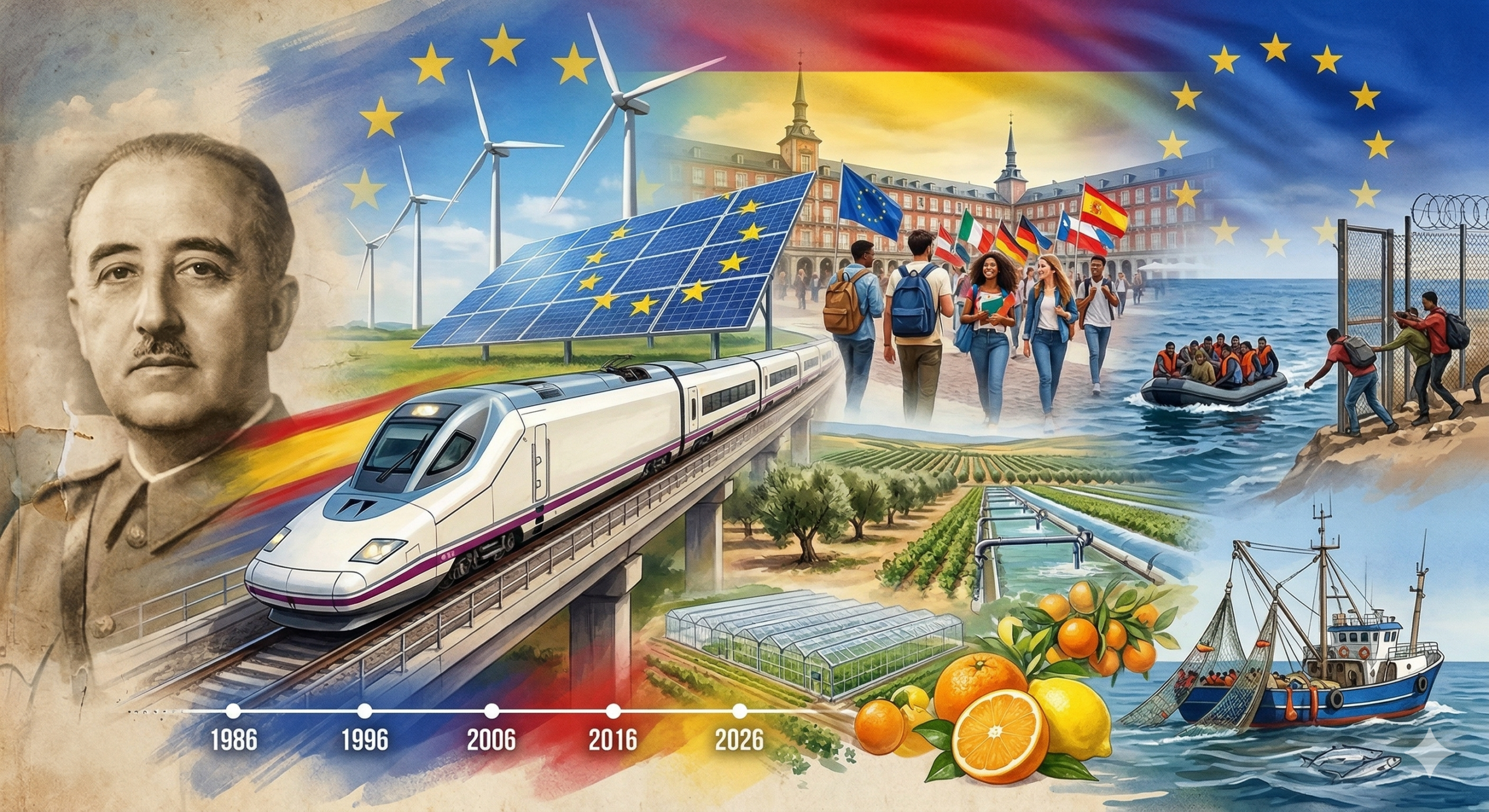
IN 1986 Spain was a young, fledgling democracy, still shaking off nearly 40 years of a centralised, authoritarian dictatorship under General Francisco Franco – one marked by isolation, slow economic growth, and a rigid social structure.
Then Spain joined the EU, opening the country up to the world and a route to modernise faster.
READ MORE: Spain to pardon over 50 women locked up by wife of dictator during Franco regime
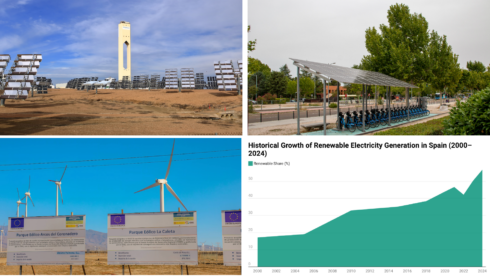
Since that time, Spain has quietly become one of Europe’s renewable energy leaders.
One of Spain’s biggest successes – especially with the current energy crisis in the Middle East in mind – solar and wind now provide the majority of the country’s electricity.
Solar overtook other sources in 2025, while wind still generates nearly a quarter of Spain’s power.
Coal use has almost disappeared, and workers have been retrained through the ‘Just Transition’ programme.
Electricity prices have fallen, billions of euros in investment have flowed in, and Spain now exports clean energy across Europe.
Projects like the European green hydrogen corridor aim to position Spain at the centre of Europe’s energy future.
READ MORE: Europe’s largest green hydrogen plant gets €3 billion green light to be built in Andalucia
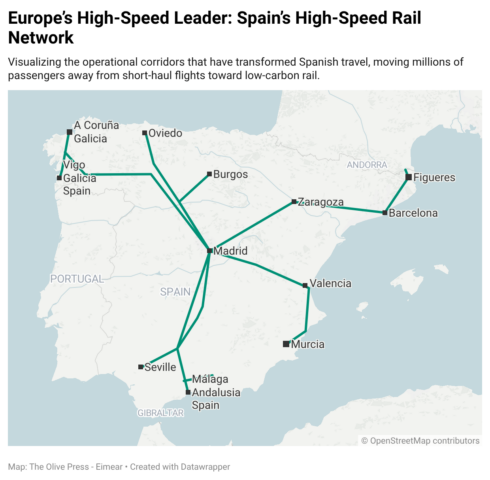
Spain’s high-speed rail network, the AVE, is one of the world’s most impressive transport achievements, stretching nearly 4,000 kilometres by 2026 and connecting Madrid to almost every major city.
EU funding contributed over €14 billion, around a quarter of the total cost, helping regions such as Andalucia and Galicia fully integrate into the national economy.
Competition has lowered ticket prices by up to 24%, bringing millions more passengers on board.
On key routes, trains have replaced domestic flights, cutting emissions and making travel cleaner.
The rail system is now exported globally and studied as a model of efficient, modern infrastructure.
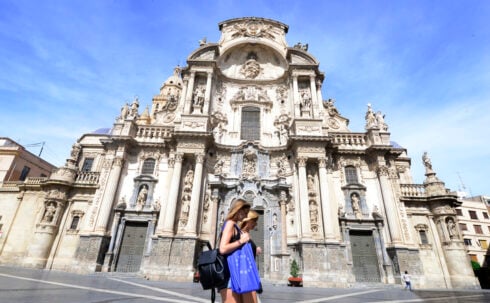
At the same time, Spain has become Europe’s Erasmus capital, attracting tens of thousands of students every year to cities like Madrid, Barcelona, Valencia, and Granada.
Spanish students also study abroad, gaining skills and bringing new ideas home.
Erasmus has strengthened Spain’s influence across Europe, created lifelong connections, and boosted tourism and investment.
READ MORE: Valencia is most popular city in Europe for erasmus students, according to data
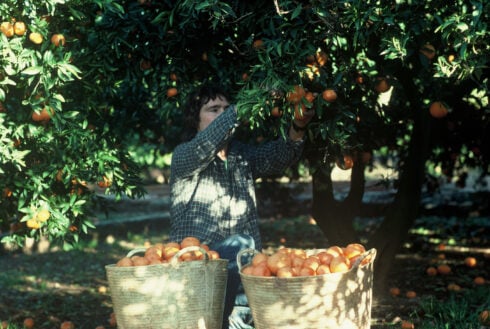
The successes also extend out into the fields.
Spain’s countryside has been transformed into Europe’s high-tech ‘Vegetable Garden,’ with the Common Agricultural Policy stabilising farmers’ incomes and keeping rural communities alive.
EU funding has modernised farming with advanced irrigation, greenhouses, and technology, even in water-scarce regions like Almería and Murcia.
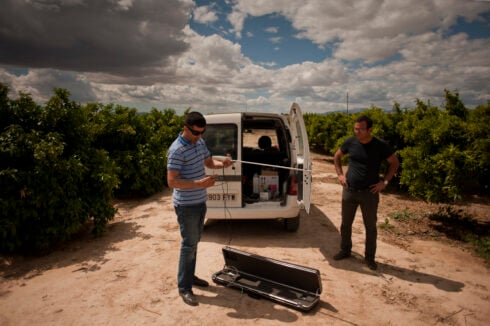
Spain is a world leader in olive oil exports and a top producer of citrus, pork, and wine.
Thousands of small family farms have survived, keeping rural areas vibrant and competitive.
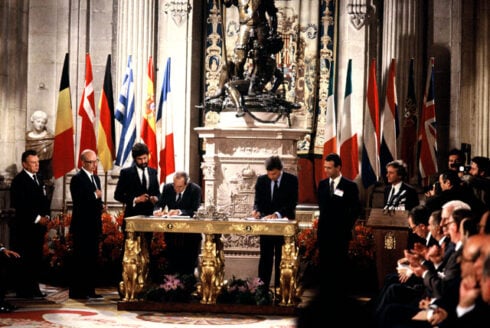
© European Communities, 1992 / Source: EC – Audiovisual Service
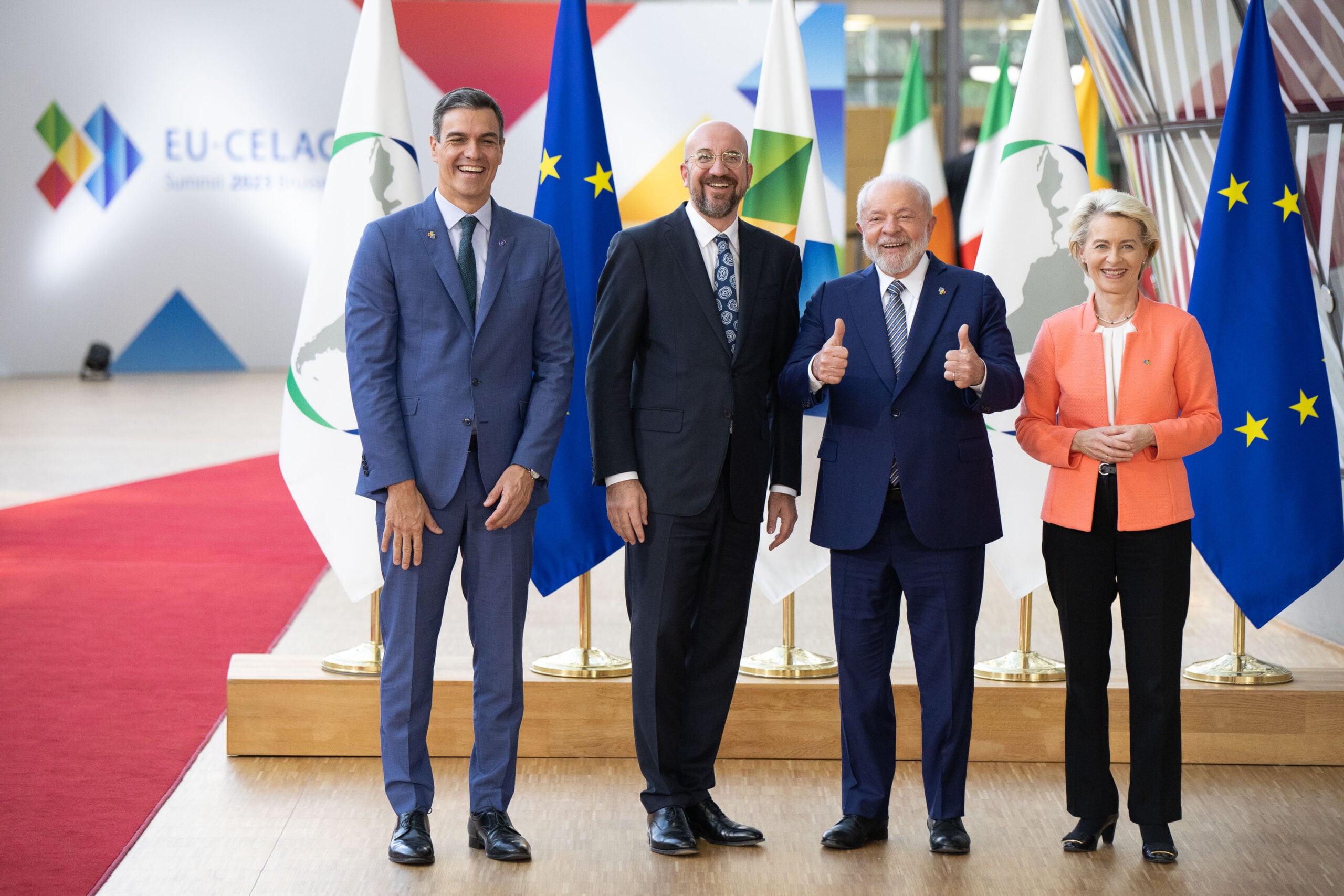
Internationally, Spain has become the EU’s key bridge to Latin America and the Mediterranean, strengthening trade and economic cooperation across the Atlantic.
Spanish leadership helped push landmark EU agreements with Latin American countries, and in the Mediterranean, Spain facilitated trade, migration, and security agreements with North African nations.
During its 2023 EU Presidency, Spain promoted policies that reduced reliance on China and strengthened Europe’s global partnerships.
Its history and language give the EU a unique voice abroad, making Madrid a central player in diplomacy.
READ MORE: Spain assumes the rotating presidency of the Council of the European Union as general elections loom
© European Union, 2023 / Photo: Bogdan Hoyaux / Source: EC – Audiovisual Service
However, not all EU experiences have been positive.
The 2008 financial crisis hit Spain particularly hard, collapsing the real estate bubble, bankrupting major companies, and plunging the economy into a deep recession.
Unemployment soared past 26%, and youth joblessness exceeded 50%.
As a Eurozone member, Spain could not devalue its currency and was forced into harsh austerity, cutting public spending and raising taxes.
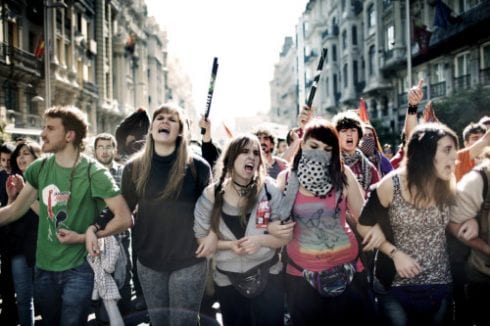
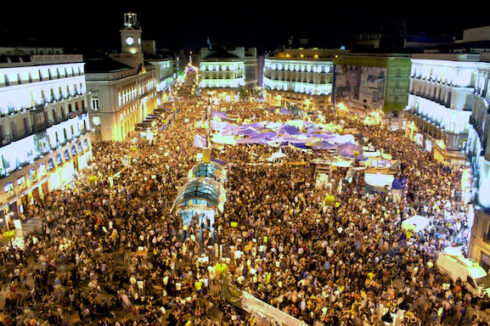
These years sparked widespread protests, most famously the 15-M movement, which reshaped Spanish politics.
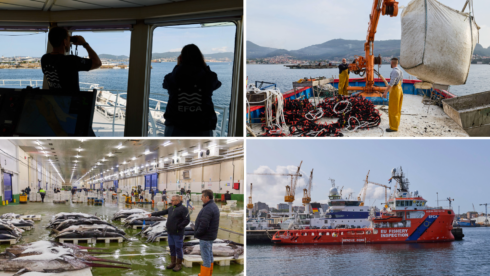
Spain’s fishing industry has also faced serious challenges since it fell under the remit of Brussels’ famous red tape.
Strict quotas were introduced to protect fish stocks, forcing Spanish fishermen to cut their fleets by half, and coastal towns in Galicia, Asturias, and Andalusia were hit hard.
Traditional fishing grounds were lost, and tensions arose with countries like the UK and France.
Even EU agreements with Morocco often left Spanish fishermen disadvantaged, despite them holding most of the licences.
Environmental protection came at the cost of centuries-old maritime traditions and local livelihoods.
READ MORE: IN PICS: Farmers take over Madrid streets to protest Spain’s agricultural policy
© European Union, 2025 / Photo: Lalo R. Villar / Source: EC – Audiovisual Service
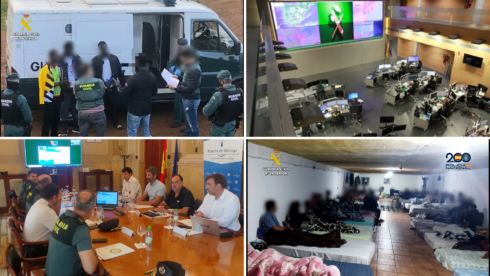
Joining the EU also suddenly made Spain a very attractive country to migrate to – and a frontline statte.
Madrid has struggled to manage migration flows at Europe’s southern borders, with its geography making it a primary entry point from Africa.
Record arrivals have hit the Canary Islands and the Mediterranean coast, stretching local resources to breaking point.
In Ceuta and Melilla, Spain handles the EU’s only land borders with Africa, where thousands attempt to scale high fences, creating humanitarian crises and tensions with Morocco.
Many argue Spain has been left to handle the pressure alone, as EU rules and agreements often fail to ensure solidarity from other member states.
Being a frontline EU country brings heavy responsibilities and difficult trade-offs between security and human rights.
Spain’s 40 years in the EU show a country transformed, greener, faster, more connected, and more influential.
Successes in energy, transport, education, agriculture, and diplomacy have reshaped the nation.
Setbacks in finance, fisheries, and migration highlight the challenges of EU membership.
Click here to read more Spain News from The Olive Press.