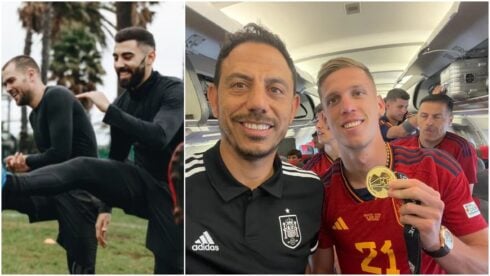

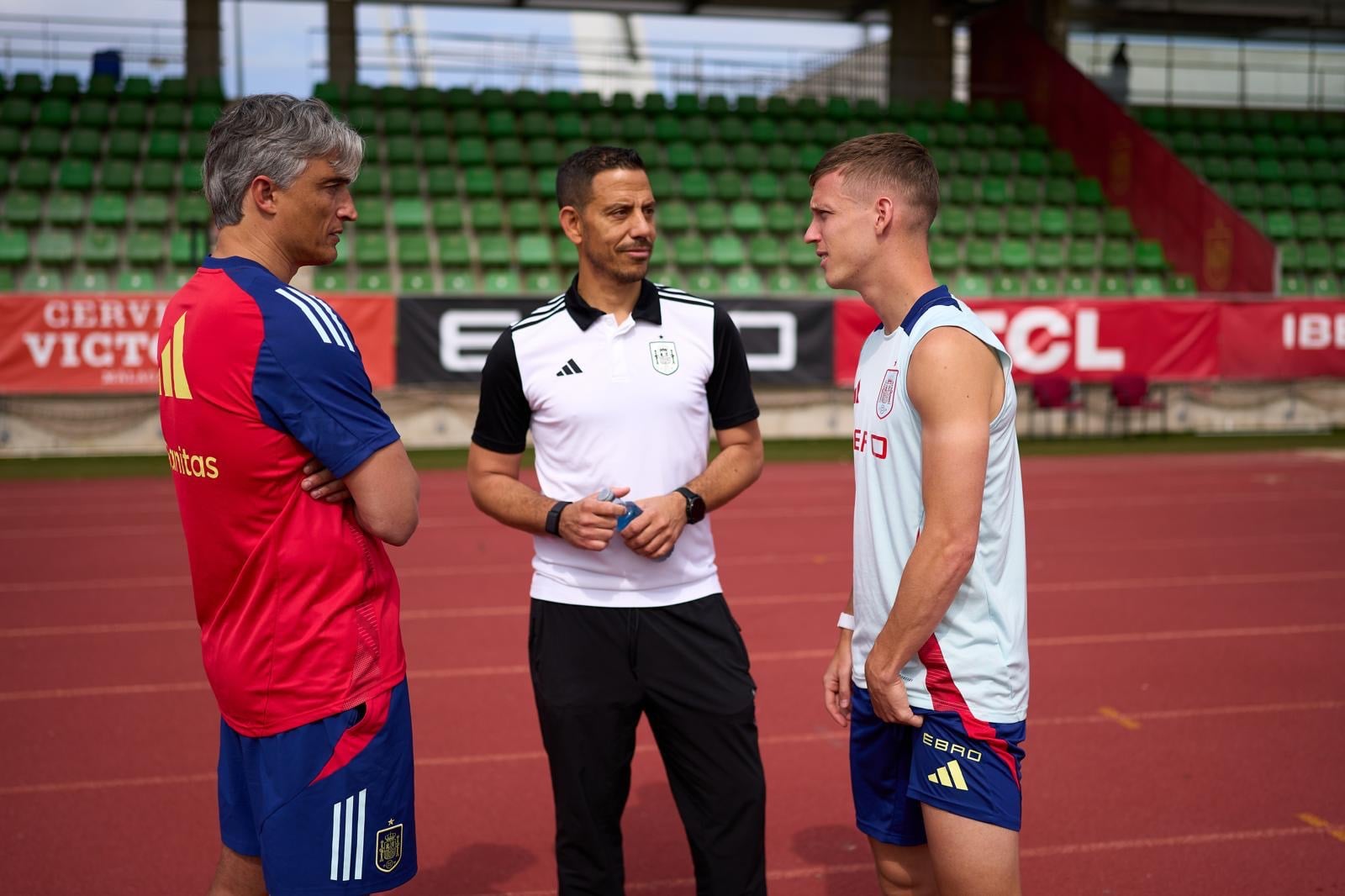
How it’s all the lateral, subtle tricks that make for the best sportsmen, writes Spain’s club doctor Dr Claudio Vazquez Colomo as he prepares for the World Cup
IT is fascinating what a World Cup can set in motion.
The spotlight, of course, always shines on football’s superstars. But as the tournament approaches, a preparation frenzy washes over millions around the world – from builders to lawmakers, from hotel workers to security forces.
Doctors are no exception to this. I have just returned from Atlanta, where I met dozens of colleagues from national teams to coordinate the medical planning for the upcoming 2026 FIFA World Cup – and it was not easy work.
The tournament will be held across the US, Mexico, and Canada, which means the logistics are not simple.
Over several days, we designated referral hospitals for each of the venues – and laid-out painstaking emergency protocols in case a player is injured during a match.
READ MORE: DR CLAUDIO VAZQUEZ COLOMO: The importance of warm-up exercises before and after sport
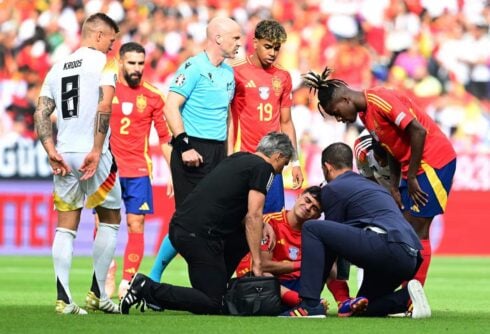
You will be surprised to learn, however, that the way we do this is substantially different from standard protocols in most clubs.
This is because, as national team doctors, our job is mainly to manage healthy players rather than injured ones.
When a footballer is injured during an international match, he is usually replaced by another fit player. For that reason, much of our work focuses on strengthening recovery strategies – essentially, we want players to arrive in the best possible condition for training sessions and matches.
In this context, I like to refer to a concept known as‘invisible training.’
Many factors exist that are not visible on the pitch – and yet, they are essential for performance and injury prevention.
I am talking about nutrition, rest, hydration, physiotherapy, and recovery strategies more in general. They form the pillars our approach, and each of these aspects could easily deserve an article of its own.
In recent years, recovery strategies have evolved by combining traditional methods with emerging technologies.
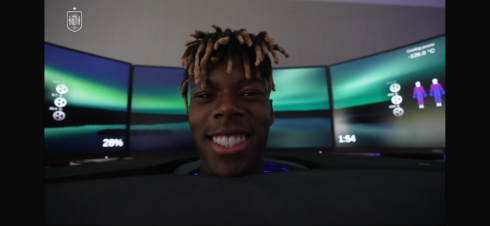
One of the most notable developments is hyperbaric medicine, which has gained increasing attention within sports medicine. This treatment involves breathing oxygen at high concentration inside a pressurised chamber, which increases the amount of oxygen dissolved in the bloodstream and facilitates its diffusion into body tissues.
Several studies have shown that this hyperoxygenation may promote muscle recovery, reduce inflammation and stimulate tissue repair processes such as angiogenesis – the formation of new blood vessels.
Research published in scientific journals such as Sports Medicine and Undersea & Hyperbaric Medicine has described improvements in recovery after intense exercise and in inflammatory muscle processes.
And here’s the good news for you: these therapies are no longer limited to elite athletes.
Increasingly, wellness and health centres are incorporating them for people who simply wish to remain active. Think of someone who walks several kilometres a day, plays golf on weekends, cycles regularly or continues running despite the passing of the years.
In many of these cases, people are not trying to train harder – they just want to recover better.
The sensation of heavy legs, muscular fatigue or minor joint discomfort are very common situations that, when managed properly, allow people to maintain an active lifestyle for much longer.
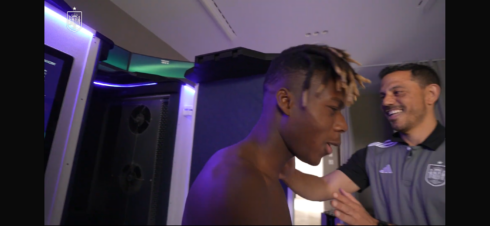
A similar principle applies to cryotherapy. Short exposure to very low temperatures triggers an astoundingphysiological response: blood vessels contract before dilating again, and the process reduces both pain and inflammation.
Cryotherapy has been used for many years in professional sport to accelerate muscle recovery after demanding training sessions or matches. Studies published in the British Journal of Sports Medicine have shown that it may delay muscle soreness and improve the feeling of recovery after exercise.
In practice, methods range from traditional ice baths to more advanced cryotherapy devices that massively cool down the body within minutes.
Another technology that has attracted growing interest is infrared light therapy – also known as photobiomodulation.
When infrared light penetrates tissues, it stimulates cellular activity at a mitochondrial level, studies have shown.
In plain terms, this means it can boost energy and tissue recovery.
Research published in journals such as Photomedicine and Laser Surgery suggests that infrared light therapy mayalso help reduce inflammation and accelerate muscle recovery after physical activity.
For many people who exercise regularly – even at a purely recreational level – the real goal is not competition, but the ability to continue moving freely, without pain, for many years.
Walking, swimming, playing tennis, cycling or simply staying physically active are part of a lifestyle that protects cardiovascular health, joint mobility and overall wellbeing.
In this context, recovery strategies become particularly important.
Sleeping well, maintaining a balanced diet, staying properly hydrated and respecting recovery times remain the fundamental pillars.
However, modern technologies can become an interesting complement for those who wish to care for their bodies in a more proactive way.
These therapies do not replace those basic habits, but they may help reduce fatigue, support tissue regeneration and improve the feeling of recovery after physical activity.
Ultimately, recovery is not something that onlyprofessional athletes should concern themselves with. It is also part of a broader personal health strategy.
Taking care of our bodies, allowing them to recover properly and using tools that support this process, can spell the difference between giving up physical activity as we age or continuing to enjoy movement for decades.
And that is perhaps one of the most valuable goals of modern sports medicine: helping people remain active, independent and healthy for longer.
Contact Dr Claudio Vazquez at claudio.vazquezcolomo@gmail.com
also visit www.claudiovazquez.es
Click here to read more Health News from The Olive Press.