
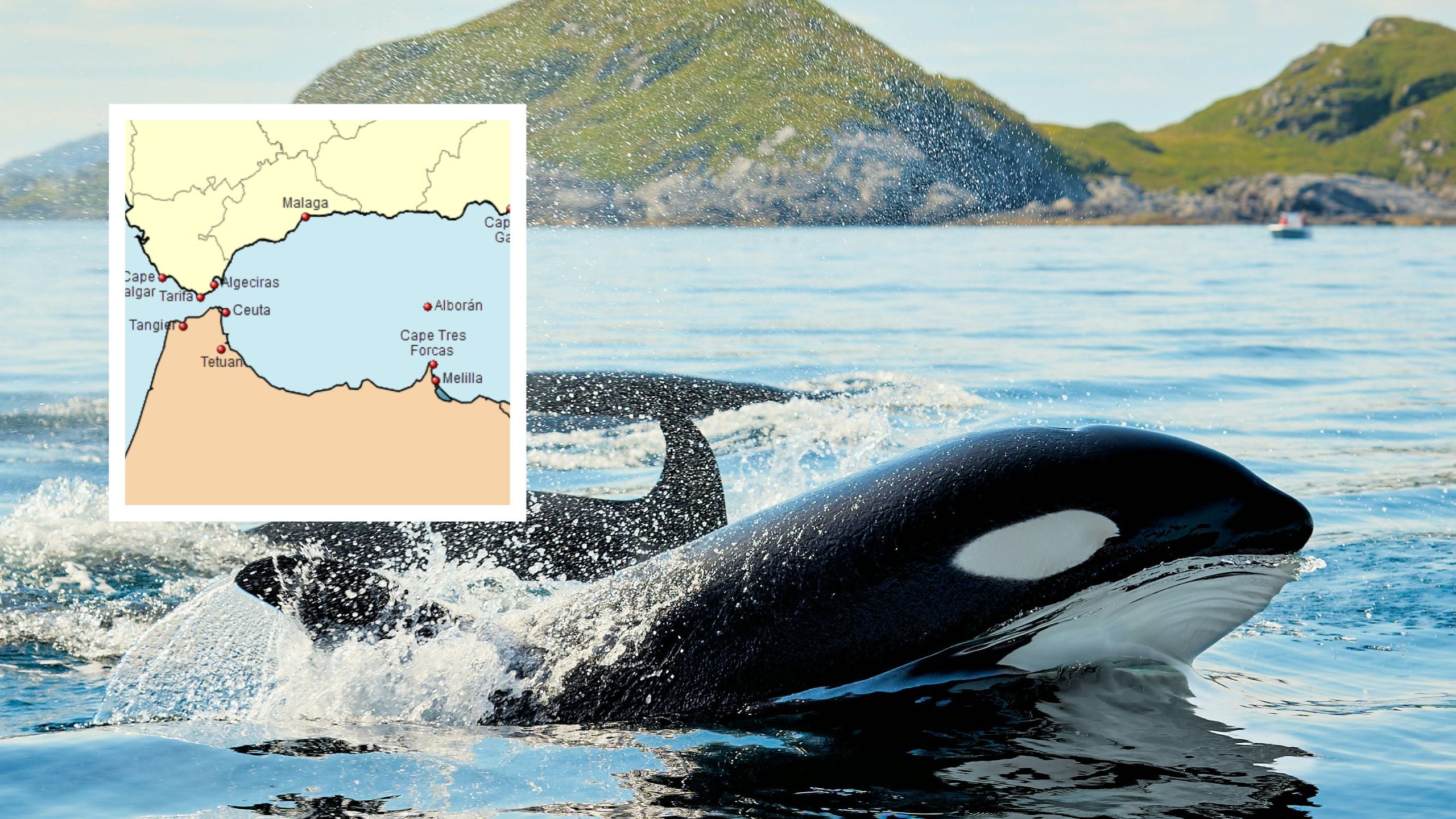
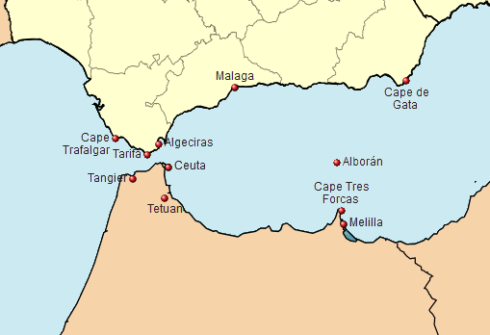
ORCA encounters in the Strait of Gibraltar have dropped dramatically, falling by around 80% in just two years .
As a result, sailboats operating in the area are experiencing a level of calm not seen in the last five years.
However, while the south is seeing far fewer incidents, Spain’s northern coast is now emerging as a new hotspot.
According to the latest data from Spain’s maritime rescue coordination centres, the number of encounters between orcas and boats has been steadily declining overall.
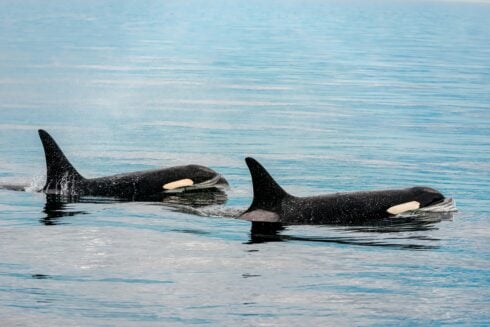
Last year, 45 incidents were recorded, representing a drop of almost 60% compared to figures from two years ago.
Nowhere is that decline more noticeable than in the Strait of Gibraltar.
In 2023, there were around 90 recorded encounters. By 2025, that number has fallen sharply to just 18.
At the same time, activity has shifted north.
READ MORE: The hour is nigh: Earth Hour is coming marking 20 years and 20 achievements for nature

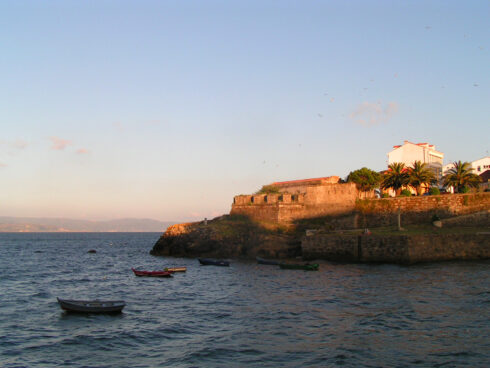
Along the coasts of Galicia and Cantabria, encounters have risen from 17 in 2023 to 27 in 2025, making it the most affected area in Spain right now.
This unusual behaviour dates back to 2020, when orcas began approaching, chasing and even ramming boats, something that had never been seen before.
Since then, they have damaged rudders, sunk boats and caused panic among crews, with some incidents requiring emergency rescues.
What started with just three individual orcas quickly spread.
Experts believe the behaviour passed between groups in a kind of social learning, often described as a ‘fad’ among the animals.
With very limited options for directly intervening, Spanish authorities have focused on reducing risk instead.
The strategy is simple: avoid areas where orcas are most active and guide vessels along safer routes, often closer to the coast where possible.
Officials say this approach is working.
The Ministry for Ecological Transition has pointed to the falling numbers in the Strait of Gibraltar as clear evidence that these measures are having an effect.
Now, with incidents rising in the north, the government is preparing a new risk map for the Galician coastline.
The aim is to identify high-risk zones so sailors can plan routes more safely and avoid unnecessary encounters.
Existing risk maps covering the Gulf of Cadiz and the Strait of Gibraltar will remain in place.

But why did the behaviour start in the first place?
A joint study by Spanish and Portuguese experts in 2024 suggested the answer may be surprisingly simple: the orcas are well-fed and, in a sense, bored.
A decade ago, finding food in these waters required long, energy-intensive chases lasting up to half an hour due to scarcity of prey.
Now, prey is more abundant and easier to catch, often taking just a few minutes.
READ MORE: Discover a wild world this Easter at bioparc Fuengirola
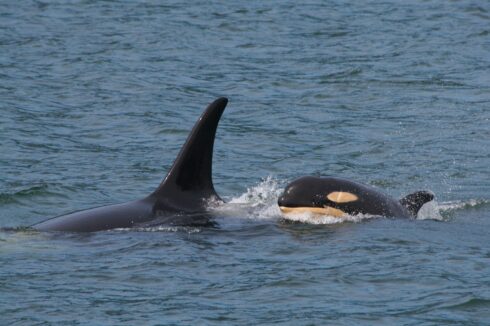
With less time spent hunting, the orcas, especially younger ones, appear to have more time to explore and interact with their environment.
In some cases, that curiosity has translated into contact with boats.
For those at sea, the advice remains clear – if an orca approaches, do not stop the vessel.
Instead, continue moving towards the coast or into shallower waters.
Crews are also advised to stay away from the edges of the boat to reduce the risk of injury from sudden movements or impacts.
Click here to read more Explainer News from The Olive Press.